
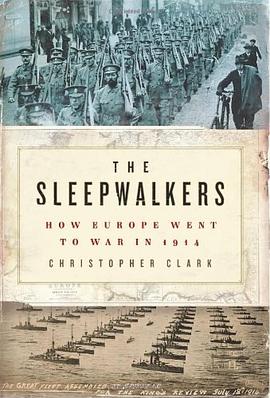

具体描述
In "The Sleepwalkers" acclaimed historian and author of Iron Kingdom, Christopher Clark, examines the causes of the First World War. Sunday Times Books of the Year 2012. The moments that it took Gavrilo Princip to step forward to the stalled car and shoot dead Franz Ferdinand and his wife were perhaps the most fateful of the modern era. An act of terrorism of staggering efficiency, it fulfilled its every aim: it would liberate Bosnia from Habsburg rule and it created a powerful new Serbia, but it also brought down four great empires, killed millions of men and destroyed a civilization. What made a seemingly prosperous and complacent Europe so vulnerable to the impact of this assassination? In "The Sleepwalkers" Christopher Clark retells the story of the outbreak of the First World War and its causes. Drawing on many fresh new sources, this account reveals a Europe very different from the familiar picture, putting Serbia and the Balkans at the centre of the story. Starting with the brutal assassination of Alexander I of Serbia in 1903, Clark shows how, far from being the place of enviable stability it appears to us, Europe was racked by chronic problems: a multipolar, fractured, multicultural world of clashing ideals, terrorism, militancy and instability, which was, fatefully, saddled with a conspicuously ineffectual set of political leaders. He shows how the rulers of Europe, who prided themselves on their modernity and rationalism, behaved like sleepwalkers, stumbling through crisis after crisis and finally convincing themselves that war was the only answer. Reviews: "Formidable ...one of the most impressive and stimulating studies of the period ever published". (Max Hastings, "Sunday Times"). "The arguments [Clark] sets out in this quite superb account of the causes of the First World War are so compelling that they effectively consign the old historical consensus to the bin ...a masterpiece. It's not often that one has the privilege of reading a book that reforges our understanding of one of the seminal events of world history". ("Mail Online"). "Impeccably researched, provocatively argued and elegantly written, his book is a model of scholarship". ("Sunday Times", Books of the Year 2012). "A brilliant contribution". ("Times Higher Education"). "Clark is fully alive to the challenges of the subject. Planting himself at the contingent end of the spectrum, he prefers to establish how the war happened rather than to explain why by means of hindsight ...It is a refreshing approach. He provides vivid portraits of leading figures ...[He] also gives a rich sense of what contemporaries believed was at stake in the crises leading up to the war". ("Irish Times"). About the author: Christopher Clark is Professor of Modern History at the University of Cambridge and a Fellow of St Catharine's College. He is the author of "The Politics of Conversion", "Kaiser Wilhelm II" and "Iron Kingdom". Widely praised around the world, "Iron Kingdom" became a major bestseller. He has been awarded the Officer's Cross of the Order of Merit of the Federal Republic of Germany.
作者简介
Christopher Clark is Professor of Modern History at the University of Cambridge and a Fellow of St Catharine's College. He is the author of The Politics of Conversion, Kaiser Wilhelm II and Iron Kingdom. Widely praised around the world, Iron Kingdom became a major bestseller. He has been awarded the Officer's Cross of the Order of Merit of the Federal Republic of Germany.
目录信息
读后感
“战争开始了。谁也不知道在哪里又是怎样打起来的,但事情就是这样。它就在人们的脑袋后面,如今,它在人的脑袋后面张开了嘴,正喘着气。战争,就是种种罪恶、声声诅咒,是狂怒的目光,是脑海迸发的思想。战争就在这里,展现在世界面前,使其笼罩在它设置的那张电网下。战争时...
评分丘吉尔说过,一战最神秘的就是开头,到底怎么爆发的。传统的观点是,德国蓄意发动了一战。可后来的历史学家大多倾向于认为德国确实最轻率鲁莽,但谈不上有事先的周密计划。 Christopher Clark在 The Sleepwalkers这本书中认为,“一战的爆发是一场悲剧,但不是一桩罪行。”德国...
评分历史看似在下很大一盘棋实际上没有什么用(。 走向僵化的体系和一战的促成 小约瑟夫.奈在《理解国际冲突》中,将19世纪的均势体系划分为了五个阶段: 1815-1822的欧洲一致 1822-1854间民族主义和民主革命使国际干涉变得困难 1854-1870由于克里米亚战争和德国统一而更动荡 1870-...
评分1871年,雄图大略的俾斯麦击败了拿破仑三世,攫取了莱茵河对岸的阿尔萨斯和洛林,留下了法国人的眼泪和我们中学课本中震撼人心的《最后一课》,也播下了德法两国世仇的种子。 20多年后,俾斯麦苦心经营的针对法国的大陆联盟体系逐渐走向瓦解。总是在极度悲观与极度乐观之间游走...
评分一战百年,选读了《阿拉伯的劳伦斯》和这一本,同样是好评如潮的严肃历史作品,前者的可读性显然更强。而到昨晚合上这一本的时候,除了比以往多知道几个名字以外,我对一战如何爆发仍旧不甚了了。 或许这恰恰是作者想要提供给读者的一种状态,若干史实仅仅作为证明各个帝国...
用户评价
《The Sleepwalkers》这本书,我只能用“意犹未尽”来形容我的感受。它不是那种读完之后就立刻放下,然后期待下一本的作品,而是会让你在合上书本之后,依然沉浸在其中,久久不能自拔。作者的文字有一种独特的韵味,它并不华丽,却充满了力量,能够直击人心。我在这本书里看到了太多关于人性的探讨,关于孤独,关于疏离,关于那些隐藏在表象之下的真实情感。我花了很长的时间来理解书中的人物,他们的孤独,他们的挣扎,以及他们为了填补内心的空虚而做出的种种选择。作者并没有试图去评判他们,而是以一种近乎客观的视角,将他们的痛苦和沉沦展现在读者面前。我特别喜欢作者在描绘人物内心世界时所用的手法,它不是直接的情感宣泄,而是一种极其隐晦的表达,需要读者自己去体会,去解读。这种阅读方式,对我来说是一种极大的挑战,但同时又充满了无穷的魅力。它让我觉得自己不仅仅是在阅读一个故事,而是在参与一个过程,一个探索人性的过程。我并不认为这本书有“标准”的答案,每个人在其中都会看到不同的东西,因为每个人心中都有属于自己的“睡眠者”。它不是一本轻松愉快的读物,但它绝对是一本能够让你获得深刻启示的书。它让你重新审视自己,审视周围的世界,它在你内心深处留下了一种难以磨灭的印记。
评分我最近读了一本名为《The Sleepwalkers》的书,这本书给我的感受非常特别,它不像我平时阅读的那些小说那样,有明确的起承转合,有清晰的故事情节。相反,它更像是一系列零散的片段,一些模糊的场景,一些难以捉摸的人物,但正是这些零散的元素,共同构建了一个令人不安,却又充满魅力的世界。作者的写作风格非常独特,他并不直接告诉你故事的来龙去脉,而是让你自己去拼凑,去想象。我花了很多时间去揣摩书中人物的动机,他们的行为,以及他们之间错综复杂的关系。这种阅读过程,虽然需要耐心,但却充满了探索的乐趣。我尤其喜欢作者对细节的描写,那些微不足道的动作,那些不经意的表情,都充满了深意,仿佛隐藏着某种不为人知的秘密。这本书最让我着迷的地方在于,它并没有给读者提供一个明确的“正确”解读。每个人在书中都会看到不同的东西,每个人都会在其中找到属于自己的感悟。我读这本书的时候,常常会感到一种莫名的疏离感,仿佛我只是一个旁观者,看着这些人物在我眼前上演着一场又一场的人生悲喜剧。这种感觉非常奇妙,既有距离感,又有一种强烈的代入感。它让我开始思考,关于孤独,关于欲望,关于人生中那些难以名状的挣扎。它不是一本容易读懂的书,但如果你愿意投入时间和精力去理解它,那么它一定会给你带来意想不到的收获。
评分《The Sleepwalkers》是一次非常规的阅读体验,它不像许多畅销书那样,以简单粗暴的情节来吸引读者,而是通过一种极其细腻、近乎病态的心理剖析,将你拖入一个充满压抑和隐喻的世界。我读这本书的时候,感觉自己就像一个潜水员,一点一点地下潜,越往下,压力越大,看到的景象也越奇诡。作者在描绘人物内心世界的时候,简直可以用“毫不留情”来形容。那些隐藏在日常行为下的欲望、恐惧、失落,都被毫不遮掩地展现在读者面前。我常常在阅读的过程中,因为某个人物的某个念头,某个微小的动作,而感到一阵寒意。这种寒意不是因为故事的恐怖,而是因为那种“看透”的彻骨感,仿佛作者看到了我内心深处那些不愿承认的东西。我花了大量的时间去揣摩每一个角色的动机,他们之间的关系,以及那些看似毫不相干的事件背后是否隐藏着某种联系。这本书的魅力就在于此,它提供了一个开放式的空间,让读者去填充,去解读。我并不认为这本书有“正确”的解读方式,每个人在其中都会看到不同的东西,因为每个人内心都有自己的“睡眠者”。我喜欢作者在叙事中营造的那种模糊和不确定性,它让你无法轻易地对任何事物下定论,只能不断地质疑,不断地反思。这种阅读过程是充满挑战的,但也是极其 rewarding 的。它迫使你走出舒适区,去面对那些令人不安的真相。读完这本书,我感觉自己的思维方式被某种程度上改变了。它让我开始更加审慎地看待周围的世界,看待人与人之间的关系,以及事物表象下的本质。它不是一本轻松读物,但它绝对是一本能够让你思考很久的书,甚至会改变你对某些事物的看法。
评分《The Sleepwalkers》这本书,我只能用“沉浸式”来形容我的阅读体验。它不像那种让你一口气读完的“快餐式”小说,而是一本需要你放慢脚步,细细品味的“慢食文学”。作者的文字有一种独特的魔力,它能让你忘记周围的一切,完全沉浸在书中营造的氛围之中。我常常会在深夜,一个人静静地阅读,窗外是寂静的夜,而我的脑海中,却上演着一场又一场无声的戏剧。书中的人物,他们的情感,他们的纠葛,都如此真实,仿佛就发生在我身边。我喜欢作者对细节的把握,那些微不足道的表情,那些不经意的动作,都被赋予了深刻的含义。你需要在这些细节中,去挖掘人物的内心,去理解他们行为背后的动机。我花了大量的时间去揣摩每一个角色,他们的孤独,他们的挣扎,以及他们如何在看似平静的生活中,暗流涌动。这本书最让我着迷的地方在于,它并不给你明确的答案。你无法轻易地给任何一个角色贴上“好”或“坏”的标签,因为他们都太真实了,他们身上都带着人性的复杂和矛盾。我读这本书的时候,常常会觉得自己就是一个旁观者,看着他们在我眼前上演着一场又一场的人生悲喜剧。这种感觉非常奇妙,既有疏离感,又有一种强烈的代入感。它迫使你思考,去理解,去感受。它不是一本会让你感到轻松愉快的书,但它绝对是一本能够让你收获颇丰的书。它让你重新审视人性,重新审视生活,它在你内心深处留下了一种难以磨灭的印记。
评分我一直对那些能够精准捕捉人类情感细微之处的作品情有独钟,而《The Sleepwalkers》无疑达到了这一高度。这本书给我的感觉,就像是被一位技艺精湛的解剖师,小心翼翼地剥开了人性的外壳,展露出里面最脆弱、最原始的部分。作者的文字极具穿透力,它不像那种尖锐的刀锋,而是像一种缓慢而持续的渗透,一点点地腐蚀你的情感防线,让你在不知不觉中,与书中的人物产生了深刻的共鸣。我尤其喜欢作者对人物内心独白的描绘,那些看似琐碎、甚至有些混乱的思绪,却充满了令人心惊的真实感。你会在某个瞬间,突然发现自己也曾有过类似的念头,有过类似的挣扎,这种“被看到”的感觉,既让人感到一丝不安,又有一种莫名的慰藉。我花了很长的时间来理解书中的人物,他们的孤独,他们的渴求,以及他们为了填补内心的空虚而做出的种种选择。作者并没有试图去评判他们,而是以一种近乎客观的视角,将他们的挣扎和沉沦展现在读者面前。这种平静的叙述,反而增添了故事的张力。每一次读到某个让我心头一震的段落,我都会停下来,反复琢磨作者的用词,感受其中的深意。这本书就像一面镜子,映照出我们内心深处的某些角落,那些我们可能试图遗忘,但却一直存在的地方。我并不认为这本书适合所有人,它需要一种愿意去深入探索,愿意去面对自己内心阴暗面的读者。但如果你是这样一位读者,那么《The Sleepwalkers》将会是你一次难忘的阅读之旅。它不是一次简单的故事讲述,而是一次对人性深渊的探索。
评分这是一本让我彻夜未眠的书。我是一个出了名的“睡美人”,往往在睡前翻开书,还没翻几页就眼皮打架,然后就抱着书睡着了。但《The Sleepwalkers》完全打破了这个魔咒。它不是那种情节跌宕起伏、让你肾上腺素飙升的类型,恰恰相反,它以一种近乎催眠般的笔触,却又精准地抓住了我的每一个神经末梢。作者的文字就像是一张细密的网,一点点地将你包裹其中,你开始沉溺于那种氛围,那种被描绘得淋漓尽致的疏离感和隐秘的渴望。我花了很长的时间来理解那些人物,他们的动机,他们行为背后深藏的,甚至是他们自己都不一定完全意识到的东西。作者并没有直接告诉你“他们为什么这样做”,而是让你自己去拼凑,去感受,去猜测。这种互动性是我最欣赏的地方。故事的节奏并不快,但你却不会感到无聊。相反,每一次缓慢的推进,都像是在冰层下涌动的暗流,让你隐隐感觉到有什么东西正在积蓄力量,即将破土而出。我尤其喜欢作者对环境的描写,那些被雾气笼罩的街道,那些在夜晚闪烁的微弱灯光,那些被时间遗忘的角落,都充满了强烈的意象,仿佛它们本身也拥有自己的生命,自己的故事。读这本书的时候,我时常会停下来,望着窗外,试图捕捉那种书中营造出的似梦非梦的感觉。它让我想起了很多我曾经有过的,或是听闻过的,那些模糊而难以名状的情感。这种阅读体验是如此独特,它不是一次简单的信息获取,而是一次深入心灵的探索。我花了很长时间才从这本书里走出来,甚至在合上书本之后,那些人物和场景还在我的脑海中萦绕不散。它就像一场醒着的梦,让你在其中徘徊,思考,直到晨曦微露,才逐渐意识到现实的存在。我迫不及待地想向所有喜欢深度阅读,喜欢那种能够触及灵魂作品的读者推荐这本书。
评分《The Sleepwalkers》这本书,让我体会到了什么叫做“欲说还休”的艺术。作者的笔触非常克制,他并不张扬,并不煽情,却能在细微之处,掀起惊涛骇浪。我读这本书的时候,常常会有一种被某种看不见的力量牵引的感觉,它并不直接告诉你发生了什么,而是让你自己去感受,去猜测,去理解。我花了很长的时间去揣摩书中人物的内心世界,他们的孤独,他们的迷失,以及他们如何在看似平静的生活中,暗流涌动。我尤其喜欢作者对环境的描写,那些被雾气笼罩的街道,那些在夜晚闪烁的微弱灯光,都充满了强烈的意象,仿佛它们本身也拥有自己的生命,自己的故事。这本书最让我着迷的地方在于,它并没有给读者提供一个明确的“正确”解读。每个人在书中都会看到不同的东西,每个人都会在其中找到属于自己的感悟。我读这本书的时候,常常会感到一种莫名的疏离感,仿佛我只是一个旁观者,看着这些人物在我眼前上演着一场又一场的人生悲喜剧。这种感觉非常奇妙,既有距离感,又有一种强烈的代入感。它让我开始思考,关于孤独,关于欲望,关于人生中那些难以名状的挣扎。它不是一本容易读懂的书,但如果你愿意投入时间和精力去理解它,那么它一定会给你带来意想不到的收获。
评分这是一本让我久久无法忘怀的书。在我阅读《The Sleepwalkers》的过程中,我体验到了一种前所未有的心理冲击。它并非依靠跌宕起伏的剧情来吸引读者,而是通过一种极其细腻、深入骨髓的心理刻画,将我牢牢地锁在书页之中。作者的文字仿佛有一种魔力,能够穿透表象,直抵人性的最深处。我常常会在阅读某段描写时,不自觉地停下来,陷入沉思。那些人物的孤独、他们的渴望、他们内心深处的挣扎,都以一种极为真实、甚至有些残酷的方式呈现出来。我感觉自己就像一个旁观者,静静地注视着他们,却又无法不被他们的情感所触动。这本书最让我惊叹的是作者对细节的把握。每一个微小的动作,每一个不经意的眼神,都被赋予了深刻的含义,成为解开人物内心秘密的线索。我花了大量的时间去解读这些线索,去拼凑出人物完整的形象。然而,这本书的魅力也恰恰在于其模糊性和不确定性。作者并不急于给读者一个明确的答案,而是留下大量的空间,让读者去思考,去猜测,去形成自己的理解。这种互动式的阅读体验,让我感觉自己不仅仅是在阅读一个故事,而是在参与一个探索人性的旅程。它迫使我走出舒适区,去面对那些我们通常会回避的,关于自身和他人的复杂性。读完这本书,我感觉自己的思维方式在某种程度上被拓宽了。它让我开始更加审慎地看待周围的世界,看待人与人之间的关系,以及事物表象之下隐藏的本质。它不是一本轻松的读物,但它绝对是一本能够让你在内心深处留下深刻烙印的作品。
评分我不得不说,《The Sleepwalkers》是一本挑战我阅读习惯的书。我通常喜欢那些情节紧凑,节奏明快的故事,但这本书却以一种极其缓慢、甚至有些沉闷的方式展开,却又在不经意间牢牢抓住了我的注意力。作者的笔触非常细腻,他并不急于推动情节,而是花大量的篇幅去描绘人物的内心世界,他们的感受,他们的想法,以及那些隐藏在日常生活中的,不为人知的秘密。我读这本书的时候,感觉自己就像置身于一个迷雾缭绕的森林,四周的一切都模糊不清,你只能凭借直觉,去摸索前行。书中的人物,他们的孤独,他们的迷失,都让我感同身受。我发现,在看似平淡无奇的生活背后,每个人都隐藏着自己不为人知的角落,都有着自己难以言说的痛苦。作者并没有试图去美化这些痛苦,而是以一种近乎残酷的真实,将它们展现在读者面前。我花了很长的时间来理解书中的每一个角色,他们的动机,他们之间的关系,以及那些看似偶然的事件背后,是否隐藏着某种必然的联系。这本书的魅力就在于此,它让你不断地去思考,去猜测,去解读。它不是一本能够让你轻易得出结论的书,而是一本需要你用心去感受,用心去体会的书。读完这本书,我感到一种前所未有的疲惫,但同时又有一种深深的满足感。它让我看到了人性的另一面,看到了那些隐藏在光鲜外表下的阴影。它不是一本适合所有人读的书,但如果你愿意去挑战自己,去探索人性的深处,那么这本书绝对不会让你失望。
评分《The Sleepwalkers》这本书,我用“震撼”来形容我的阅读体验,毫不为过。它不像那些充满戏剧冲突和情节反转的书籍,反而以一种极其冷静、甚至有些疏离的笔调,却精准地触及了我内心最深处的某些地方。作者的文字有一种独特的质感,它就像冰冷的雨水,一点点地渗透进来,让你感到一种彻骨的寒意,却又无法抗拒。我在这本书里看到了太多人性的复杂和矛盾,那些我们试图隐藏,试图遗忘的黑暗面,都被毫不留情地揭露出来。我花了很长的时间来消化书中的每一个段落,每一个人物的内心独白。我常常在阅读的过程中,因为某个细节,某个隐喻,而感到一阵强烈的共鸣,仿佛作者看到了我内心深处最隐秘的想法。我特别喜欢作者在描绘人物情感时所用的手法,它不是直接的情感宣泄,而是一种极其隐晦的表达,需要读者自己去体会,去解读。这种阅读方式,对我来说是一种极大的挑战,但同时又充满了无穷的魅力。它让我觉得自己不仅仅是在阅读一个故事,而是在参与一个过程,一个探索人性的过程。我并不认为这本书有“标准”的答案,每个人在其中都会看到不同的东西,因为每个人心中都有属于自己的“睡眠者”。它不是一本轻松愉快的读物,但它绝对是一本能够让你获得深刻启示的书。它让你重新审视自己,审视周围的世界,它在你内心深处留下了一种难以磨灭的印记。
评分一战前的外交风云,大塞尔维亚真惹不起,德皇有点像Trump,但后者在关键时刻为了面子肯定不会chicken out,全篇最尴尬是德国因为Grey的假情报空欢喜,意大利的存在度基本为零
评分被逼着看了原版。译文读起来白开水一样。奥匈的崩溃是碎片化欧洲的必然。却是一战和二战的诱因之一。但是看这里却在论述奥匈的另一面,还有希望的一面。梦游者其实也有奥匈的一份,做死成功。
评分作者反对寻根清原式地消极合理化历史,主张穷尽史实细节来多角度还原事件全貌,没有意识导向,搁置既成后果。这的确有助独立思考,发现新可能。一战的参战国,手上都沾着鲜血,不需自怨自艾,也别恶人先告状。如今恐怖主义霸占了这个剧场,根源,还是当年让塞尔维亚癫狂的民族主义激素。
评分作者反对寻根清原式地消极合理化历史,主张穷尽史实细节来多角度还原事件全貌,没有意识导向,搁置既成后果。这的确有助独立思考,发现新可能。一战的参战国,手上都沾着鲜血,不需自怨自艾,也别恶人先告状。如今恐怖主义霸占了这个剧场,根源,还是当年让塞尔维亚癫狂的民族主义激素。
评分读完了 #rcanlendar
相关图书




本站所有内容均为互联网搜索引擎提供的公开搜索信息,本站不存储任何数据与内容,任何内容与数据均与本站无关,如有需要请联系相关搜索引擎包括但不限于百度,google,bing,sogou 等
© 2026 book.quotespace.org All Rights Reserved. 小美书屋 版权所有