

具体描述
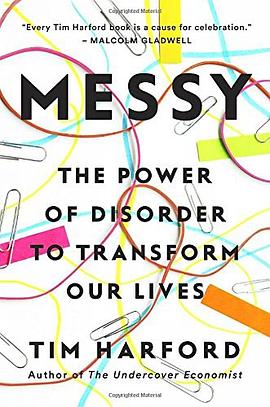
From the award-winning columnist and author of the national bestseller The Undercover Economist comes a provocative big idea book about the genuine benefits of being messy: at home, at work, in the classroom, and beyond.
Messy: The Power of Disorder to Transform Our Lives celebrates the benefits that messiness has in our lives: why it’s important, why we resist it, and why we should embrace it instead. Using research from neuroscience, psychology, social science, as well as captivating examples of real people doing extraordinary things, Tim Harford explains that the human qualities we value – creativity, responsiveness, resilience – are integral to the disorder, confusion, and disarray that produce them.
From the music studio of Brian Eno to the Lincoln Memorial with Martin Luther King, Jr., from the board room to the classroom, messiness lies at the core of how we innovate, how we achieve, how we reach each other – in short, how we succeed.
In Messy, you’ll learn about the unexpected connections between creativity and mess; understand why unexpected changes of plans, unfamiliar people, and unforeseen events can help generate new ideas and opportunities as they make you anxious and angry; and come to appreciate that the human inclination for tidiness – in our personal and professional lives, online, even in children’s play – can mask deep and debilitating fragility that keep us from innovation.
Stimulating and readable as it points exciting ways forward, Messy is an insightful exploration of the real advantages of mess in our lives.
作者简介
Tim Harford is the author of the bestseller The Undercover Economist and The Logic of Life and a member of the editorial board of the Financial Times, where he also writes the “Dear Economist” column. He is a regular contributor to Slate, Forbes, and NPR’s Marketplace. He was the host of the BBC TV series Trust Me, I’m an Economist and now presents the BBC series More or Less. Harford has been an economist at the World Bank and an economics tutor at Oxford University. He lives in London with his wife and two daughters.
目录信息
读后感
去它的收纳与条理,Tom Hartford 2016年的书《一团糟Messy》教我们拥抱没有秩序的生活。过多的数据也许会淹没真正的趋势,整理得井井有条的邮箱根本是浪费时间,员工能自主在项目之间切换的硅谷公司比秩序分明的东部公司产出更多,注意力经常被吸引走的人能达成更有创造性的结...
评分去它的收纳与条理,Tom Hartford 2016年的书《一团糟Messy》教我们拥抱没有秩序的生活。过多的数据也许会淹没真正的趋势,整理得井井有条的邮箱根本是浪费时间,员工能自主在项目之间切换的硅谷公司比秩序分明的东部公司产出更多,注意力经常被吸引走的人能达成更有创造性的结...
评分去它的收纳与条理,Tom Hartford 2016年的书《一团糟Messy》教我们拥抱没有秩序的生活。过多的数据也许会淹没真正的趋势,整理得井井有条的邮箱根本是浪费时间,员工能自主在项目之间切换的硅谷公司比秩序分明的东部公司产出更多,注意力经常被吸引走的人能达成更有创造性的结...
评分去它的收纳与条理,Tom Hartford 2016年的书《一团糟Messy》教我们拥抱没有秩序的生活。过多的数据也许会淹没真正的趋势,整理得井井有条的邮箱根本是浪费时间,员工能自主在项目之间切换的硅谷公司比秩序分明的东部公司产出更多,注意力经常被吸引走的人能达成更有创造性的结...
评分去它的收纳与条理,Tom Hartford 2016年的书《一团糟Messy》教我们拥抱没有秩序的生活。过多的数据也许会淹没真正的趋势,整理得井井有条的邮箱根本是浪费时间,员工能自主在项目之间切换的硅谷公司比秩序分明的东部公司产出更多,注意力经常被吸引走的人能达成更有创造性的结...
用户评价
我发现,《Messy》这本书的叙事结构非常独特,它并没有采用传统的线性叙事,而是像一幅幅精心打磨的剪影,将不同的时间、不同的地点、不同的人物片段巧妙地穿插在一起。起初,我有些难以适应这种跳跃式的叙事,感觉像是在拼凑一幅破碎的画。但是,随着阅读的深入,我逐渐体会到这种结构的精妙之处。每一个片段,即使独立来看可能只是生活中的一个瞬间,但当它们被巧妙地组合在一起时,却能够激发出更深层次的含义,揭示出人物内心的复杂性以及事件之间的微妙联系。这种阅读体验,就像是在解开一个层层递进的谜团,每揭开一层,都能带来新的发现和感悟。
评分我最近读了一本叫做《Messy》的书,说实话,我一开始并没有抱太大的期望。书名本身就带着一种随性甚至有些混乱的感觉,我总担心内容会缺乏条理,读起来会很费力。然而,这本书的开头就给我带来了惊喜。作者用一种极其生动、仿佛就在我耳边诉说的语调,描绘了一个充满生命力的日常片段。她对细节的捕捉令人惊叹,我甚至能清晰地想象出书中人物脸上细微的表情,空气中弥漫的气息,以及周围环境的声音。这种沉浸式的描写,立刻将我拉入了书的世界,让我忘记了对“Messy”这个词的顾虑。
评分从阅读的节奏感来说,《Messy》这本书的安排也颇具匠心。它并不是那种一口气读到底的“快餐式”作品,而更像是一杯需要慢慢品味的香醇美酒。有的时候,作者会设置一些令人意想不到的转折,让故事的发展充满悬念;有的时候,她又会用一段细腻的心理描写,让时间仿佛静止,让读者能够深入体会人物的情感变化。这种跌宕起伏的阅读体验,让我始终保持着高度的投入,期待着下一页会带来怎样的惊喜。
评分《Messy》这本书最吸引我的地方,还在于它对人物塑造的深度。我发现,书中的每一个角色,即使是配角,都仿佛拥有自己的独立生命和完整的成长弧线。他们不是简单的符号,而是有血有肉、有情感、有经历的个体。我能够理解他们的选择,即使有时候我觉得他们的选择并不明智。这种对人物的多维度刻画,让整个故事更加饱满和真实,也让我对人性的复杂性有了更深的认识。
评分总的来说,《Messy》这本书给我的感受是多层次的,它不仅仅是一个故事,更像是一次心灵的旅程。我从中看到了生活的原貌,理解了人性的复杂,也获得了面对不完美的勇气。这本书的魅力在于它的真实、它的细腻、它的诗意,以及它所引发的深刻思考。我强烈推荐给那些愿意在阅读中寻找共鸣、探寻内心、并且拥抱生活“messy”的一面的读者。
评分《Messy》这本书不仅仅是关于人物的成长,更重要的是它探讨了人与人之间的关系,尤其是那些复杂、难以言喻的情感连接。我被书中某些角色之间看似疏离,实则充满了深厚情感的互动方式所打动。他们可能不会用太多的言语来表达爱意,但他们的每一个眼神、每一个微小的举动,都传递着一种难以言说的默契和关怀。这种描绘,非常贴近现实生活中很多亲密关系的状态。我们往往会因为一些小小的误会、一些未说出口的话而产生隔阂,但同时,那些不经意的善意和理解,又能够将我们紧密地联系在一起。
评分我一直认为,一本真正优秀的书,应该能够引发读者内心的思考,甚至改变一些固有的观念。而《Messy》恰恰做到了这一点。它并没有给我灌输任何说教,而是通过一个个生动的故事,让我自己去体会、去领悟。我开始反思自己对待生活中的“混乱”的态度,我是否总是试图将一切都安排得井井有条,而忽略了那些可能隐藏着惊喜的“不确定性”?这本书让我明白,有时候,放慢脚步,接受那些不完美,反而能让我们更从容地面对生活。
评分《Messy》这本书的语言风格也十分鲜明。作者的文字充满了画面感,她善于运用各种比喻和意象,将抽象的情感具象化,让读者能够身临其境地感受书中人物的内心世界。我尤其喜欢她对自然景物的描写,那些生动的词语组合,仿佛在我眼前展开了一幅幅壮丽的画卷。即使是在描写最平凡的生活场景时,她的笔触也充满了诗意,让我在阅读过程中,感受到一种宁静而美好的力量。这种语言上的魅力,是这本书给我带来的另一个重要收获。
评分《Messy》这本书最让我印象深刻的一点,在于它对于“不完美”的全然拥抱。在这个追求精致、追求完美的时代,我们常常被教导要隐藏自己的缺点,要努力成为那个“更好”的版本。但《Messy》却似乎在告诉我们,混乱、错误、甚至是狼狈,才是构成我们生活最真实、最动人的部分。我读到书中主人公在某个关键时刻的失误,那种懊悔、那种无助,我仿佛感同身受。但更重要的是,我看到了她如何从这次失误中学习,如何继续前行,并没有因为一次的跌倒而放弃整个旅程。这种真实的力量,比任何刻意营造的成功都更加鼓舞人心。
评分《Messy》这本书让我感受最深的一点,是它对于“选择”的探讨。书中人物所做的每一个选择,无论是对的还是错的,都对他们的人生轨迹产生了深远的影响。作者并没有简单地评判这些选择的好坏,而是呈现了这些选择背后的动机、考量以及它们所带来的后果。这让我开始审视自己的选择,思考我是否真正做出了最适合自己的决定,以及我是否能够承担起每一个选择所带来的责任。这本书,提供了一个非常好的反思的契机。
评分一种有别于「整理」的思路,值得借鉴参考
评分我不知道他的观点好不好,我只知道这本书写的不好,读的很无趣
评分“得到”上听完的,中文的。三个观点,1.不走寻常路,不默守陈规,制造点无序,能提高创造力。 2.多元的团队,也许大家很难磨合、合作,但却更高效。3.有条理的生活,整齐的文件,有序的日程表,不如杂乱无章更有效率。第三点我非常不认可,我不觉得从来不整理文件不归档的人,会有效率,他能及时找到需要的文件吗,就算他用搜索功能,他知道去哪搜索吗? 但是作者有一个观点我非常认同,为什么现在的机器人可以通过图灵测试,可以如此接近的模拟人类的对话,因为人类越来越趋同,社交平台为了做大数据统计,把大家的表达规范化,而导致了单一化。
评分音频
评分混乱的背后是自由独立,是让人更像人。这本书说的是人,到底该怎样在这个充满规矩和套路的现代世界生存。
相关图书





本站所有内容均为互联网搜索引擎提供的公开搜索信息,本站不存储任何数据与内容,任何内容与数据均与本站无关,如有需要请联系相关搜索引擎包括但不限于百度,google,bing,sogou 等
© 2026 book.quotespace.org All Rights Reserved. 小美书屋 版权所有