
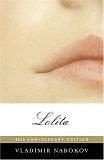

具体描述
When it was published in 1955, Lolita immediately became a cause célèbre because of the freedom and sophistication with which it handled the unusual erotic predilections of its protagonist. But Vladimir Nabokov's wise, ironic, elegant masterpiece owes its stature as one of the twentieth century's novels of record not to the controversy its material aroused but to its author's use of that material to tell a love story almost shocking in its beauty and tenderness.
Awe and exhilaration–along with heartbreak and mordant wit–abound in this account of the aging Humbert Humbert's obsessive, devouring, and doomed passion for the nymphet Dolores Haze. Lolita is also the story of a hypercivilized European colliding with the cheerful barbarism of postwar America, but most of all, it is a meditation on love–love as outrage and hallucination, madness and transformation.
With an Introduction by Martin Amis
作者简介
Vladimir Vladimirovich Nabokov was born on April 23, 1899, in St. Petersburg, Russia. The Nabokovs were known for their high culture and commitment to public service, and the elder Nabokov was an outspoken opponent of antisemitism and one of the leaders of the opposition party, the Kadets. In 1919, following the Bolshevik revolution, he took his family into exile. Four years later he was shot and killed at a political rally in Berlin while trying to shield the speaker from right-wing assassins.
The Nabokov household was trilingual, and as a child Nabokov was already reading Wells, Poe, Browning, Keats, Flaubert, Verlaine, Rimbaud, Tolstoy, and Chekhov, alongside the popular entertainments of Sir Arthur Conan Doyle and Jules Verne. As a young man, he studied Slavic and romance languages at Trinity College, Cambridge, taking his honors degree in 1922. For the next eighteen years he lived in Berlin and Paris, writing prolifically in Russian under the pseudonym Sirin and supporting himself through translations, lessons in English and tennis, and by composing the first crossword puzzles in Russian. In 1925 he married Vera Slonim, with whom he had one child, a son, Dmitri.
Having already fled Russia and Germany, Nabokov became a refugee once more in 1940, when he was forced to leave France for the United States. There he taught at Wellesley, Harvard, and Cornell. He also gave up writing in Russian and began composing fiction in English. In his afterword to Lolita he claimed: "My private tragedy, which cannot, and indeed should not, be anybody's concern, is that I had to abandon my natural idiom, my untrammeled, rich, and infinitely docile Russian tongue for a second-rate brand of English, devoid of any of those apparatuses–the baffling mirror, the black velvet backdrop, the implied associations and traditions–which the native illusionist, frac-tails flying, can magically use to transcend the heritage in his own way." [p. 317] Yet Nabokov's American period saw the creation of what are arguably his greatest works, Bend Sinister (1947), Lolita (1955), Pnin (1957), and Pale Fire (1962), as well as the translation of his earlier Russian novels into English. He also undertook English translations of works by Lermontov and Pushkin and wrote several books of criticism. Vladimir Nabokov died in Montreux, Switzerland, in 1977.
目录信息
读后感
“你很老了吗?” “我很老了呀。” ——但愿你能够把我想起,最好你还是将我忘记。那年六月,花开不败,云絮贻荡,而我们,正相爱。 陈文茜说如果还要嫁人,康永是个很好的选择。这位女子实在让人很困惑,讲时事政治的时候可以分析的头头是道,那么硬气,然而当你跟她坐下来...
评分我是先看了洛丽塔的电影才去看书的。 电影有两版,一版是黑白的,一版是彩色的,彩色那一版非常之能摸到名著的主题,而且真的能表达出那种爱情。 我真不知道一个成年男人对一个没有发育好的十来岁的孩子,七到十二岁,能有什么爱情可言。 但那确实是爱情啊!他为了这个...
评分最近晚上抽空就读它。 很多让我喜欢的书和电影,第一眼总不会觉得特别好,甚至是讨厌。记得第一次看纳博克夫的这本久负盛名的书,是在学校图书馆借的一本旧版本。今天想起来,可能是当初太年轻浮躁,也可能是译文太差,总之我看了十页,心里想的是:这也算小说?整一个男人的意...
评分以前虽然说起过于晓丹译的《洛丽塔》,但是我得惭愧地说当时还没看过,只是对库布力克导演的电影有深刻印象,这次终于补上了这一课,看了于晓丹的译本。 上次说起时还犯了一个错,以为于晓丹是《洛丽塔》的第一个中文译者,实际是黄建人教授,前不久在中山图书馆发现黄教授的...
评分…… 《洛丽塔》同样存在严重的翻译问题。在众多的《洛丽塔》中译本中,于晓丹的译本似乎倍受青睐。于译本最初由江苏文艺出版社出版,1997年时代文艺出版社也选择了该本,不同之处是译者作了修订。以后,沈阳出版社在1999年9月重新出版《洛丽塔》35;译林出版社也于2000年3月出...
用户评价
从文学技巧的角度来看,这本书无疑是教科书级别的范例,展示了如何通过对细节的极致掌控来塑造宏大的主题。 它的世界构建并非依靠宏大的背景设定,而是完全依赖于感官体验的堆砌——气味、触感、光影的细微变化,都被赋予了重大的叙事意义。 每一个场景都像一个精心布置的舞台,灯光和道具的选择都服务于表达人物错综复杂的情感状态。 我尤其赞赏作者在处理人物“缺席”时的描绘能力。 那些没有直接出现的人物,却因为叙述者的强烈主观感受,而显得比在场的任何人都更加鲜活和具有影响力。 这种“看不见的在场”创造了一种持续的、令人不安的张力。 这本书需要读者保持高度的专注力,因为它拒绝提供简单的答案或清晰的道德指南,它更像是一面被精心打磨过的棱镜,折射出人内心深处那些光怪陆离、难以名状的渴望。 最终的阅读感受,是一种复杂、深刻的、关于人类情感复杂性的沉思。
评分我不得不承认,这本书的节奏感处理得极为高明,它不是那种平铺直叙的线性叙事,而更像是一部慢热的、精心调校的古典音乐。 开头部分,信息如同雾气般缓缓散开,你只能捕捉到一些片段的轮廓,这种刻意的疏离感反而激发了读者强烈的探究欲。 当情节逐渐推进,人物间的互动开始变得微妙而复杂时,你会发现作者在对话的设计上简直是大师级的。 那些看似漫不经心的交流中,暗流涌动着力量的角逐和情感的较量,每一个停顿、每一个省略号,都比直接的陈述更有冲击力。 我特别喜欢他如何利用环境的变化来烘托人物心境的转折,比如从一个阳光明媚的度假地突然转入到一个略显阴郁的城市环境,这种对比处理得非常自然,却又极富象征意义。 整本书读下来,你会感觉自己仿佛参与了一场冗长的、充满哲学意味的辩论,关于自由、关于艺术、关于人性的边界。 它成功地将一个令人不适的主题,包裹在如此考究和优雅的外衣之下,这种反差带来的震撼,是许多直白叙事难以企及的。
评分这部作品的叙事风格简直是一场文字的盛宴,细腻到令人窒息,仿佛作者将每一个场景都用最精美的丝线编织而成。 故事的基调是那种带着一丝忧郁的、对逝去美好时光的追忆,但又隐隐透露出一种难以言喻的、危险的美感。 我读到主人公对某个特定事物近乎病态的迷恋时,那种强烈的、几乎能穿透纸页的执着感,让我不得不停下来,反复咀嚼那些措辞。 他的内心世界如同一个布置精美的迷宫,四处充满了华丽的辞藻和古典的意象,但当你试图找到出口时,却发现每条路都通向同一个令人不安的核心。 尤其欣赏作者在描绘环境细节时的功力,那些夏日的慵懒、异国情调的小镇风光,都被赋予了某种预示性的光芒,使得单纯的背景也充满了隐喻的张力。 读完后,留下的不是一个清晰的故事梗概,而是一种挥之不去的情绪残渣,一种对“美”与“禁忌”之间模糊界限的深刻反思。 这种文字的质感,让人联想到十九世纪那些沉浸在颓废美学中的大师们,但又明显带着一种更现代的、更尖锐的自我审视。 它不是一本可以轻松翻阅的书,它需要时间,需要投入,才能真正领会其中那些闪烁着危险光芒的真谛。
评分这部作品最让我印象深刻的是它对“时间”和“记忆”的处理方式,完全颠覆了我对传统小说结构的一贯认知。 它似乎并不着急于抵达某个终点,而是沉醉于对某个特定时期、特定感受的反复打磨和重构。 这种结构上的“循环往复”,恰恰完美地契合了主角那种被困住的、不断重温过去美好幻象的心态。 书中的语言节奏变化多端,时而如同一首轻快的圆舞曲,充满了对青春和冒险的赞美;时而又陡然转为低沉的挽歌,充满了对失去的哀叹和对现实的无力感。 这种情绪的起伏,使得整部小说充满了生命力,即使它探讨的主题是如此的沉重和灰暗。 我个人认为,作者在选择叙事载体和情绪烘托方面,展现了近乎天才般的直觉,他知道如何用最恰当的“糖衣”来包裹最难以下咽的“药丸”,让读者在被文字的美丽所吸引的同时,也被故事背后的复杂性所困扰。
评分说实话,这本书的阅读体验是相当具有挑战性的,但也是极其充实和令人耳目一新的。 它的视角极其个人化,几乎是主角内心独白的一场全景展示,这要求读者必须完全沉浸在他的逻辑体系中去理解一切。 我欣赏作者在构建人物心理深度上的不懈努力,他没有简单地将角色标签化,而是细致入微地展现了其思想的矛盾性、伪装与真实之间的拉扯。 很多时候,你会为主人公的某些想法感到不安,但作者却巧妙地通过其无可挑剔的文笔,让你不得不去承认这些想法存在于人性的幽暗角落。 书中的一些段落,读起来简直像是在欣赏一幅文艺复兴时期的油画,色彩浓郁,结构严谨,充满了对古典文学和艺术的致敬。 它迫使我跳出日常的道德框架去审视叙事中的一切,这是一种非常难得的阅读体验,因为它拓展了我对文学表达可能性的认知。 读完合上书的那一刻,我有一种完成了一次艰苦但有价值的智力攀登的感觉。
评分我一度非常迷恋Nabokov的语言,这是我读的最最细的几本原著之一,虽然语言上借鉴的价值不大。
评分数年后重读,难掩惆怅。对于她,美的光华与生命的激情来得太早,逝去得也太匆匆;而他空怀一心拥抱美的灵魂,却背负令人不齿的恶名,在镣铐下虚掷一生。世间再无美丽少女,因为那双眼睛已经混沌腐朽;他们唯一能共度的永恒,散落在新大陆辽远哀凉的万里沃土上。
评分数年后重读,难掩惆怅。对于她,美的光华与生命的激情来得太早,逝去得也太匆匆;而他空怀一心拥抱美的灵魂,却背负令人不齿的恶名,在镣铐下虚掷一生。世间再无美丽少女,因为那双眼睛已经混沌腐朽;他们唯一能共度的永恒,散落在新大陆辽远哀凉的万里沃土上。
评分Nabokov is a master of English vocab, and he is not even a native speaker.
评分我是中英文交错着看的,纳博科夫的语言绝对经得起“散文体小说”这个称谓的推敲,轻盈,梦幻,跳跃,并给人一种……晨雾般的潮湿感;而主万的译本则完全把这种特质变成了支离破碎,本来的喃喃自语变成了好像智力不健全因而不能完整表达句子的感觉……翻译硬错误更不计其数。。说回内容,有几处相当感人的地方,但同时有一两处(可能因为这几处我正是看的中文)有点over the top,结构安排有感觉,最后杀死Quilty的场景蛮神的。
相关图书





本站所有内容均为互联网搜索引擎提供的公开搜索信息,本站不存储任何数据与内容,任何内容与数据均与本站无关,如有需要请联系相关搜索引擎包括但不限于百度,google,bing,sogou 等
© 2026 book.quotespace.org All Rights Reserved. 小美书屋 版权所有