


具体描述
Are we “noble in reason”? Perfect, in God’s image? Far from it, says New York University psychologist Gary Marcus. In this lucid and revealing book, Marcus argues that the mind is not an elegantly designed organ but rather a “kluge,” a clumsy, cobbled-together contraption. He unveils a fundamentally new way of looking at the human mind -- think duct tape, not supercomputer -- that sheds light on some of the most mysterious aspects of human nature.
Taking us on a tour of the fundamental areas of human experience -- memory, belief, decision-making, language, and happiness -- Marcus reveals the myriad ways our minds fall short. He examines why people often vote against their own interests, why money can’t buy happiness, why leaders often stick to bad decisions, and why a sentence like “people people left left” ties us in knots even though it’s only four words long.
Marcus also offers surprisingly effective ways to outwit our inner kluge, for the betterment of ourselves and society. Throughout, he shows how only evolution -- haphazard and undirected -- could have produced the minds we humans have, while making a brilliant case for the power and usefulness of imperfection.
作者简介
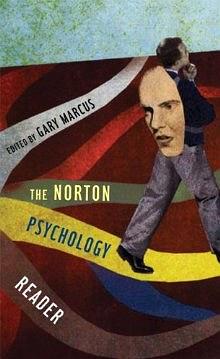
Gary Marcus is an award-wining Professor of Psychology at New York University and director of the NYU Center for Child Language. He has written three books about the origins and nature of the human mind, including Kluge (2008, Houghton Mifflin/Faber), and The Birth of the Mind (Basic Books, 2004, translated into 6 languages). He is also the editor of The Norton Psychology Reader, and the author of numerous science publications in leading journals, such as Science, Nature, Cognition, and Psychological Science. He is also the editor of the Norton Psychology Reader and has frequently written articles for the general public, in forums such as Wired, Discover, The Wall Street Journal, and the New York Times.
目录信息
读后感
一直以为是精密的大脑竟然是个克鲁兹,是一个没有发育完全的家伙,原本坚信的判断也据此有了一些动摇和质疑 关于语言,选择,快乐,记忆,都那么容易受到一些干扰 祖传和慎思系统,心理污染,自圆其说,精神崩溃 批判性思维进行反思,其它选项,重新界定问题,相关关系,样本量...
评分本书结构简单内容短小,写作略显拖沓臃肿,170多页的正文实际上大约120页就能说完。 本书从各角度讨论人类认知世界(interpretation of information) 以及根据信息作出选择(decision making)过程中常见的mistakes,bias以及产生的原因。原因的分析很有意思但是论证不够充足也没...
评分“为什么有钱人不觉得幸福? 为什么我们常做出违背自己意志的行为? 为什么领导要坚持错误的决定? 为什么有人把钱花在一文不值的地方?” ——Gary Marcus《乱乱脑》 这几年,西方的一些书为了畅销,诸如《秘密》,《右脑革...
评分2009-12-04 -------------------------- 如果你和我一样,是个为了各种琐事而日夜奔忙的可怜人,你很可能也常常对自己的大脑愤恨不已—这个骄傲地占据了我们全身最高战略点、对其他各个器官颐指气使、并被号称是决定了我们作为“万物之灵长”的地位的家伙,经常漫不经心地辜负...
评分这是一本让我在阅读过程中不断发出“我嚓原来是这样”感叹的书。 作者从进化论和社会实验入手,阐述了人类大脑在进化过程中产生的一些缺陷,并以此为基础对记忆、信念、选择、快乐等抽象事物的形成作出了诠释。 其中贯穿文章始终的是一个叫“克鲁机(Kluge)”的概念,其原始意...
用户评价
这本书就像是作者在向我展示他内心深处的一幅画卷,每一笔每一划都充满了情感与力量。他对于细节的描绘,是如此的细致入微,我仿佛能够看到那些微小的动作,听到那些细微的声音,感受到那些难以言喻的情绪。我被他笔下那些充满生命力的角色所吸引,他们不是简单的符号,而是有血有肉、有情感、有思想的个体。我能够感受到他们内心的挣扎,理解他们的选择,甚至为他们的命运而感到揪心。作者的叙事方式非常流畅自然,他能够将过去与现在,现实与想象,巧妙地交织在一起,形成一种独特的叙事风格。我感觉自己在阅读的过程中,不仅仅是在阅读一个故事,更是在进行一次对人性的探索。这本书给我带来的,是一种深刻的思考,一种对生命的敬畏。它让我明白,即使生活充满了不确定性,我们也依然能够找到属于自己的方向。
评分这本书带给我的震撼,是一种潜移默化的,如同春雨润物无声,但却在内心深处激起了层层涟漪。作者的笔触极其细腻,他能够抓住那些最容易被忽略的细节,并将它们放大,赋予其非凡的意义。我印象最深刻的是,他描绘某一特定场景时的那种“画面感”,我仿佛置身其中,能够闻到空气中弥漫的气息,听到细微的声音,甚至感受到微风拂过脸颊的触感。这种极致的沉浸感,让我完全忘记了自己是身处现实世界,而是全然地投入到了书中的情境之中。而且,作者的思考非常深刻,他总是能够透过表象,触及到事物本质的核心。他提出的那些问题,引人深思,让我不得不停下脚步,去审视自己的人生观和价值观。这本书并没有给我一个明确的答案,而是鼓励我去寻找属于自己的答案。它像是一面镜子,映照出我内心深处的某些角落,也促使我去探索那些未知的领域。我感觉自己在阅读的过程中,不仅是在吸收知识,更是在进行一次自我发现和自我超越。
评分我之所以对这本书如此着迷,是因为它触及了我内心深处最柔软的部分。作者的文字,有一种抚慰人心的力量,他能够捕捉到那些人类共通的情感,并用一种极其真诚的方式表达出来。我经常会在阅读的过程中,突然感受到一种强烈的共鸣,仿佛作者说的就是我的心声。他对于人物内心世界的描摹,是如此的细腻和真实,我能够轻易地理解他们的痛苦、他们的喜悦、他们的困惑。而且,作者的叙事视角非常独特,他能够站在一个旁观者的角度,冷静地观察,却又不失温情。这种“抽离”与“贴近”的结合,让整本书充满了张力,也让我的阅读体验更加丰富。我感觉自己在阅读的过程中,不仅是在认识书中的人物,更是在认识我自己。这本书就像是一次心灵的洗礼,它让我更加理解人性,也更加懂得爱与被爱。它让我相信,即使生活充满了挑战,我们也依然能够找到属于自己的幸福。
评分这本书给我带来的,是一种难以言喻的“沉浸感”。作者的叙事就像一张巨大的网,将我牢牢地捕获,让我无法自拔。他对于场景的描绘,是如此的生动逼真,我仿佛能够闻到空气中的味道,听到环境中的声音,感受到身边的氛围。我完全忘记了自己身处何地,而是全然地投入到了书中的世界。而且,作者的叙事结构非常巧妙,他能够将看似无关的线索,巧妙地串联起来,形成一个完整而引人入胜的故事。我被他笔下那些性格鲜明的人物所吸引,他们之间的互动,充满了智慧与趣味。我能够感受到他们之间微妙的情感变化,理解他们的选择,也为他们的命运而感到好奇。更让我惊叹的是,作者在语言的运用上,有着一种独特的“画面感”。他能够用最简洁的文字,勾勒出最生动的画面;也能够用最丰富的意象,表达出最深刻的情感。阅读这本书,我感觉自己就像是在经历一场视觉与听觉的盛宴,充满了惊喜与震撼。
评分这本书就像是一场精心编排的交响乐,每一个音符都恰到好处,每一个乐章都跌宕起伏,最终汇聚成一曲动人心魄的乐章。作者的叙事节奏控制得非常出色,他能够在紧张的情节中注入一丝幽默,也能在平静的叙述中埋下伏笔。我被他笔下那些充满生命力的角色所吸引,他们之间的互动,充满了张力与火花。我能够感受到他们之间微妙的情感联系,理解他们的爱恨情仇,也为他们的命运而牵挂。作者并没有刻意去制造戏剧冲突,而是让故事自然而然地发展,那些意想不到的转折,反而显得更加真实可信。更让我赞叹的是,作者在语言的运用上,有着一种独特的“韵律感”。他能够用最简洁的文字,描绘出最生动的画面;也能够用最朴实的语言,表达出最深刻的情感。阅读这本书,我感觉自己就像是在进行一场智力与情感的双重冒险,每一步都充满了惊喜与挑战。它让我明白,生活本身就是一部充满未知与可能的史诗。
评分这本书给我的感觉,就像是在一个宁静的夜晚,我独自一人坐在窗前,仰望星空,心中充满了对未知世界的无限遐想。作者的文字,有一种独特的“意境感”,他能够用最简洁的语言,营造出最深邃的氛围。我被他笔下那些充满诗意的描绘所吸引,它们常常能够触动我内心深处的某种情怀,让我陷入沉思。作者的叙事方式非常自由,他并不拘泥于传统的叙事结构,而是让故事随着情感的流动而发展。我感觉自己在阅读的过程中,不仅仅是在阅读一个故事,更是在进行一次心灵的漫步。这本书就像是一首悠扬的乐曲,它能够舒缓我的情绪,净化我的心灵。它让我更加懂得欣赏生活中的美好,也让我更加渴望去探索那些未知的领域。
评分这本书就像是作者的一次心灵的漫游,我完全沉浸其中,仿佛与作者一同走过他生命中的每一个角落,感受他曾经的喜怒哀乐。他对于细节的捕捉,那种细腻到近乎苛刻的程度,让我惊叹不已。每一次场景的切换,每一次人物的登场,都带着一种浑然天成的感觉,没有丝毫的生涩和突兀。我尤其喜欢作者在描绘那些看似微不足道的日常片段时所流露出的深情,仿佛在这些平凡的点滴中,蕴含着宇宙的奥秘。他笔下的语言,时而如涓涓细流,温柔地抚慰着读者的心田;时而又如惊涛骇浪,拍打着我内心深处的共鸣。我常常会在阅读的某个瞬间,停下手中的书,陷入沉思,思考作者所要传达的那些更深层次的含义。他并没有直接抛出答案,而是引导着我,让我自己去探索、去领悟。这种互动式的阅读体验,是很多书籍难以给予的。我仿佛在与一位老友对话,倾听他的人生故事,也从中窥见了自己的影子。这本书不仅仅是文字的堆砌,更是一种情感的传递,一种智慧的启迪。它让我重新审视了生活,也让我更加珍惜眼前拥有的一切。阅读的过程,是一种净化,也是一种升华。
评分这本书给我带来的,是一种“启迪”。作者的思考非常深刻,他能够透过表象,触及到事物本质的核心。我被他笔下那些充满智慧的观点所吸引,它们常常能够挑战我固有的思维模式,让我不得不停下来,去审视自己的观念。作者的叙事方式非常独特,他能够将看似无关的哲学思考,巧妙地融入到故事之中,让阅读过程充满了趣味性。我感觉自己在阅读的过程中,不仅仅是在阅读一个故事,更是在进行一次思想的旅行。这本书就像是一场头脑风暴,它能够激发我思考的潜能,让我对世界有更深的理解。它让我明白,生活本身就是一个充满未知与可能的领域,需要我们不断地去探索和发现。
评分这本书带给我的,是一种久违的“感动”。作者的文字,有一种朴实而真挚的力量,他能够用最平实的语言,触及到我内心深处最柔软的地方。我经常会在阅读的过程中,感受到一种温暖的力量,仿佛作者在用他的经历告诉我,即使生活充满了艰辛,也总有希望存在。他对于人物情感的描摹,是如此的细腻和真实,我能够轻易地理解他们的喜怒哀乐,感受到他们的爱恨情仇。而且,作者的叙事节奏非常舒缓,他并不急于抛出结论,而是让故事缓缓展开,让读者自己去体会其中的含义。我感觉自己在阅读的过程中,不仅仅是在阅读一个故事,更是在进行一次心灵的对话。这本书就像是一杯陈年的老酒,越品越有味道,越品越能感受到其中的醇厚。它让我更加珍惜眼前拥有的一切,也让我更加懂得感恩。
评分这本书给我的感觉,就像是在一个古老的图书馆里,我偶然翻开了一本被尘封的书籍,却意外地发现里面隐藏着一个崭新而充满活力的世界。作者的叙事方式非常独特,他善于在时间的河流中自由穿梭,将过去与现在巧妙地编织在一起,形成一种奇妙的张力。我被他笔下那些鲜活的人物深深吸引,他们不是脸谱化的符号,而是有血有肉、有情感、有挣扎的个体。我能够感受到他们内心的矛盾,理解他们的选择,甚至为他们的命运而揪心。更让我着迷的是,作者在描绘这些人物时,并没有进行过多的道德评判,而是以一种包容和理解的态度,展现了人性的复杂与多元。这种叙事上的“留白”,反而让我有了更多的思考空间,让我去揣摩人物的动机,去感受他们隐藏在行为之下的深层情感。读这本书,我仿佛经历了一场跌宕起伏的人生旅程,有过欢笑,也有过泪水,但最终,留给我的是一种深刻的触动和难以言喻的温暖。它让我相信,即使在最黑暗的时刻,也总有希望的光芒存在。
评分The irrational part of the mind is actually an efficient evolution of mind. This book is only for popular readers.
评分很棒的一本大众心理书。小小的一本,里面提到的概念又很熟悉,所以很快就看完了。最重要的自然是最后一张作者给的13个建议。感觉中心思想就是,还是要理性思考。
评分比较浅
评分比较浅
评分比较浅
相关图书




本站所有内容均为互联网搜索引擎提供的公开搜索信息,本站不存储任何数据与内容,任何内容与数据均与本站无关,如有需要请联系相关搜索引擎包括但不限于百度,google,bing,sogou 等
© 2026 book.quotespace.org All Rights Reserved. 小美书屋 版权所有