

具体描述
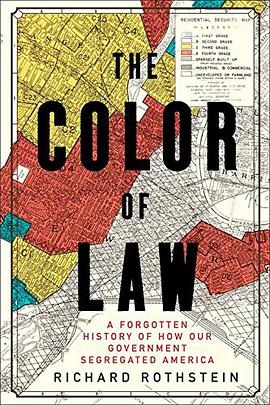
In this groundbreaking history of the modern American metropolis, Richard Rothstein, a leading authority on housing policy, explodes the myth that America’s cities came to be racially divided through de facto segregation―that is, through individual prejudices, income differences, or the actions of private institutions like banks and real estate agencies. Rather, The Color of Law incontrovertibly makes clear that it was de jure segregation―the laws and policy decisions passed by local, state, and federal governments―that actually promoted the discriminatory patterns that continue to this day.
Through extraordinary revelations and extensive research that Ta-Nehisi Coates has lauded as "brilliant" (The Atlantic), Rothstein comes to chronicle nothing less than an untold story that begins in the 1920s, showing how this process of de jure segregation began with explicit racial zoning, as millions of African Americans moved in a great historical migration from the south to the north.
Through extraordinary revelations and extensive research that Ta-Nehisi Coates has lauded as "brilliant" (The Atlantic), Rothstein comes to chronicle nothing less than an untold story that begins in the 1920s, showing how this process of de jure segregation began with explicit racial zoning, as millions of African Americans moved in a great historical migration from the south to the north.
The Fair Housing Act of 1968 prohibited future discrimination but did nothing to reverse residential patterns that had become deeply embedded. Yet recent outbursts of violence in cities like Baltimore, Ferguson, and Minneapolis show us precisely how the legacy of these earlier eras contributes to persistent racial unrest. “The American landscape will never look the same to readers of this important book” (Sherrilyn Ifill, president of the NAACP Legal Defense Fund), as Rothstein’s invaluable examination shows that only by relearning this history can we finally pave the way for the nation to remedy its unconstitutional past.
作者简介
Richard Rothstein is a research associate of the Economic Policy Institute and a Fellow at the Thurgood Marshall Institute of the NAACP Legal Defense Fund. He lives in California, where he is a Fellow of the Haas Institute at the University of California–Berkeley.
目录信息
读后感
拿到这本书,正值中秋假期,我用很快的时间就将这本书读完了。本贴基本不涉及剧透,只涉及个人的读后感觉,请放心食用。 我们都认为我们活在一个文明的社会,但是无法想象的是种族隔离这件事离我们的时间距离是那么的近,几十年前的美国,这个拥有着民主自由的美国梦的国家,却...
评分这是一本注释、参考文献和图片来源就有100页左右的书,非常考据、也很学术。 很多人都以为种族隔离、种族歧视是一种个人行为。但作者在这本书中很尖锐地指出,美国的种族隔离的背后,其实是有美国政府的决策和法律支持的。这些带有明显种族倾向的政府行为违宪剥夺了非裔美国人...
评分这是一本注释、参考文献和图片来源就有100页左右的书,非常考据、也很学术。 很多人都以为种族隔离、种族歧视是一种个人行为。但作者在这本书中很尖锐地指出,美国的种族隔离的背后,其实是有美国政府的决策和法律支持的。这些带有明显种族倾向的政府行为违宪剥夺了非裔美国人...
评分这是一本注释、参考文献和图片来源就有100页左右的书,非常考据、也很学术。 很多人都以为种族隔离、种族歧视是一种个人行为。但作者在这本书中很尖锐地指出,美国的种族隔离的背后,其实是有美国政府的决策和法律支持的。这些带有明显种族倾向的政府行为违宪剥夺了非裔美国人...
评分也许,当我们阅读文学或历史研究著作,仍会为美洲大陆上黑人的命运叹息落泪,痛惜着“悲剧遭遇”、寄望于“地下铁道”,却已不似《汤姆叔叔的小屋》出版时,或马丁·路德·金演讲时那样震惊和气愤了。在宣扬民主和自由的美国,各行各业的杰出代表不乏非裔及少数族裔,它粉饰出...
用户评价
这本书让我重新审视了“法律”这个概念,以及它在我们社会中所扮演的角色。我一直以为法律是保护弱者的盾牌,是伸张正义的利剑。但《法律的色彩》这本书,用大量翔实的历史证据,颠覆了我的这一认知。作者以一种非常有条理、有逻辑的方式,层层剥茧,揭示了美国法律体系是如何在长达几个世纪的时间里,系统性地制造和维护种族隔离。我特别赞赏作者的叙事方式,他没有使用煽情的语言,而是用冷静的分析和确凿的证据,让事实本身说话。他详细地介绍了19世纪末到20世纪中叶,一系列看似“正常”的法律和政策,是如何一步步将黑人排斥在主流社会之外的。比如,关于房地产的法律,如何限制黑人购房的区域,如何通过“强制性种族条款”(restrictive covenants)来阻止房产的跨种族销售,以及政府如何通过住房贷款保险等政策,优先支持白人家庭获得住房。这些政策,虽然在后来被废除,但它们造成的后果,却以代际的方式延续至今,形成了难以逾越的贫富差距和机会不均。读这本书,就像是在照镜子,照出了我们社会深层的问题,也照出了法律本身可能存在的“偏见”。它让我明白,要实现真正的平等,我们不能仅仅停留在口头上,而是要深入到法律的每一个细节,去审视和纠正那些仍然在运作的、不公平的机制。
评分这本书太有力量了,它像一把手术刀,精准地解剖了美国社会中种族隔离的根源,而且这个根源,就藏在法律的条文和政策的缝隙里。我之前对这段历史了解不多,总以为种族隔离是上个世纪中叶的事情,随着民权运动的兴起就消失了。但这本书告诉我,事情远没有那么简单。作者非常擅长将复杂的法律概念和历史事件,用一种非常易于理解的方式呈现出来,让我这个非法律专业人士也能清晰地把握住核心论点。他不仅仅是在讲述历史,更是在展示法律是如何被用作工具,来建造和维护一个种族化的社会结构。比如,他详细地解释了“分级抵押贷款”(tiered mortgage lending)和“社区再投资法”(Community Reinvestment Act)在强化住房隔离中的作用,以及这些政策是如何在表面上看起来是为了“促进经济发展”或“稳定社区”,但实际效果却是将黑人社区排除在外。我尤其被书中关于“土地使用法规”(zoning laws)的部分所打动。这些法规看似是为了公共利益,但往往被用来阻止贫困人口(往往是少数族裔)进入富裕的白人社区,进一步加剧了地理上的隔离和资源分配的不均。这本书让我深刻地认识到,法律从来都不是一个中立的旁观者,它主动地参与了社会结构的构建,而且,它的“色彩”在过去很长一段时间里,都深深地影响着我们每一个人的生活轨迹。
评分天啊,我刚读完《法律的色彩》,我必须说,这本书彻底改变了我对这个世界的看法,也让我对我们所处社会中的一些根深蒂固的问题有了更清晰、也更令人心痛的认识。作者用一种非常引人入胜却又直击人心的笔触,揭示了法律如何并非如我们想象的那样,是独立于社会而存在的公正裁判者,而是深刻地受到颜色——也就是种族——的影响,并主动地在塑造和固化种族隔离和不平等方面扮演了核心角色。我一直认为,法律应该是平等的,是对所有人一视同仁的。然而,这本书通过大量的历史案例和法律条文分析,让我看到,从住房政策到教育机会,再到刑事司法系统,法律的制定和执行,在不同时期,都以各种微妙或赤裸裸的方式,巩固了白人至上和对黑人的歧视。那种感觉就像是你一直以为自己看到了一个透明的玻璃箱,但实际上,箱子本身就是由一层层看不见的,但极其坚固的“颜色”筑成的。读到一些具体的案例,比如红线政策(redlining)如何系统性地剥夺了黑人社区积累财富和改善生活的机会,我的心情简直沉到了谷底。这不仅仅是历史的遗留问题,作者更是清晰地展示了这些政策的长期影响,以及它们是如何持续地在今日社会产生回响,造成代际的贫困和机会不均。这本书迫使我反思,我一直以来对“公平”的理解是否太过片面,也让我意识到,要真正实现一个公正的社会,我们必须正视并挑战那些隐藏在法律条文和政策背后的“颜色”。
评分这绝对是一本能让你彻夜难眠的书,不是因为恐怖,而是因为那种被揭露真相后的震撼和不适。作者的写作风格有一种冷静的、近乎学术的严谨,但字里行间又充满了对受害者深切的同情和对不公义的强烈控诉。我特别喜欢他引用那些法官、政治家和社会活动家的言论,将历史的碎片拼凑成一幅宏大的图景。这本书让我明白了,所谓的“种族中立”的法律,在很多情况下,恰恰是维护现有不平等结构的最有效工具。它不像过去那样直接的出台歧视性法案,而是通过一些看似“技术性”的法律手段,比如对城市规划的干预、对社区管理的规定,或者是在不动产交易中设置各种障碍,来悄无声息地将不同种族隔离在不同的地理和经济空间。我一直以为,只要我们不公开宣称种族歧视,我们就能摆脱它。但这本书告诉我,如果法律本身就没有触及那些潜藏的、由历史形成的结构性障碍,那么“不歧视”就等于“维持现状”,而这个现状本身就是不公平的。书里关于住房政策的论述尤其让我印象深刻。想象一下,你因为你的肤色,被剥夺了在一个好社区购房的权利,无法享受到更好的学校资源,无法接触到更多的就业机会,你所积累的财富也无法通过房产增值来代代相传。这种长期的、系统性的剥夺,其影响是何其深远!读完后,我久久不能平静,脑海里充斥着那些被法律“合法化”的不公正。
评分我花了好几天时间才消化完这本书,它带给我的冲击是巨大的。作者用一种极其扎实的学术研究,描绘了一幅美国社会因种族而形成的隔离图景,而这一切,都与法律有着千丝万缕的联系。我原以为,法律的进步就是消除歧视,但这本书让我看到了,法律本身也可以是制造和固化歧视的工具。作者的论证非常有力,他将历史的进程与具体的法律条文、政府政策相结合,展现了法律是如何通过各种方式,在不同时期,对不同种族的公民施加了截然不同的待遇。我尤其关注书中关于“公营住宅”(public housing)和“城市更新”(urban renewal)的部分。这些项目,在表面上是为了改善城市环境和解决住房问题,但作者却揭示了它们是如何导致了大规模的强制拆迁,并将黑人社区从他们世代居住的家园中驱离,进一步加剧了种族隔离的地理分布。这种“合法化”的驱逐,比直接的暴力更令人心寒。这本书让我意识到,我们不能仅仅责怪个体的偏见,更重要的是要看到那些潜藏在法律条文和政策背后的系统性不公。它迫使我思考,我们是否真的在努力创造一个公平的社会,还是只是在用法律的“色彩”来掩盖那些不愿面对的现实。这本书是每个关心社会公平的人都应该读的,它不仅是历史的回顾,更是对我们当下和未来的深刻警示。
评分For who believe this difficult history of America, this is a great book to read about racial separation and discrimination. For who don't believe, the book will in a trash can.
评分well now I get why those old white people hate multi-family homes and urban life. #things I learned from work
评分翔实的数据解释美国黑人与白人之间资产(主要是房产)的巨大差距,一战二战前后,黑人大规模离开南方进入北方工厂寻找就业机会,与此同时,许多针对黑人的歧视政策也开始产生,譬如政府支持的房贷不贷给黑人,街区划分时禁止出租出售给本片区的少数人群,造成城市里种族隔离越来越严重。二战之后,许多白人买到了房产,而黑人没有,几十年以后,即使这样的政策本身被取消,房价飞涨,当年失去买房机会的人也很难迎头赶上。如果没有时间读整本书,听这个fresh air访谈也就可以了: https://www.npr.org/2017/05/03/526655831/a-forgotten-history-of-how-the-u-s-government-segregated-america
评分well now I get why those old white people hate multi-family homes and urban life. #things I learned from work
评分well now I get why those old white people hate multi-family homes and urban life. #things I learned from work
相关图书


















本站所有内容均为互联网搜索引擎提供的公开搜索信息,本站不存储任何数据与内容,任何内容与数据均与本站无关,如有需要请联系相关搜索引擎包括但不限于百度,google,bing,sogou 等
© 2026 book.quotespace.org All Rights Reserved. 小美书屋 版权所有