

具体描述
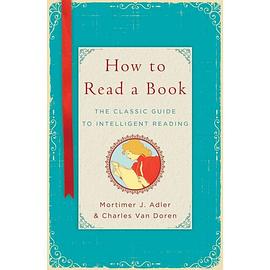
With more than half a million paperback copies in print and now in this stunning hardcover keepsake edition, How to Read a Book is the classic and definitive guide to reading comprehension and retention for students of literature, scholars across disciplines, and anyone who just loves to read.
Originally written in 1940 and first published by Simon & Schuster in 1972, How to Read a Book introduces and elucidates the various levels of reading and how to achieve them in order to gain the most understanding and insight from any book. From elementary reading, through systematic skimming and inspectional reading, to speed reading and beyond, readers will learn when and how to “judge a book by its cover,” perceive structure no matter the prose, read critically, and extract the author’s message from the text.
Also included are specific reading techniques that work best for reading particular genres, whether they be practical books, imaginative literature, plays, poetry, history, science and mathematics, philosophy, or social science works. A recommended reading list and multiple comprehension tests are incorporated as well in order to measure progress in reading skills, speed, and understanding.
As poignant and applicable today as it was nearly seventy-five years ago, this beautiful hardcover edition is the perfect way for you to discover or rediscover How to Read a Book, a rare phenomenon and the best and most successful guide to reading comprehension.
作者简介
Mortimer J. Adler was Chairman of the Board of the Encyclopedia Britannica, Director of the Institute for Philosophical Research, and Honorary Trustee of the Aspen Institute. He authored more than fifty books.
Dr. Charles Van Doren earned advanced degrees in both literature and mathematics from Columbia University, where he later taught English and was the Assistant Director of the Institute for Philosophical Research. He also worked for Encyclopedia Britannica in Chicago.
目录信息
PART ONE: The Dimensions of Reading
1. The Activity and Art of Reading 3
2. The Levels of Reading 16
3. The First Level of Reading: Elementary Reading 21
4. The Second Level of Reading: Inspectional Reading 31
5. How to be a Demanding Reader 45
PART TWO: The Third Level of Reading: Analytical Reading
6. Pigeonholing a Book 59
7. X-Raying a Book 75
8. Coming to Terms with an Author 96
9. Determining an Author’s Message 113
10. Criticizing a Book Fairly 136
11. Agreeing or Disagreeing with an Author 150
12. Aids to Reading 166
PART THREE: Approaches to Different Kinds of Reading Matter
13. How to Read Practical Books 187
14. How to Read Imaginative Literature 198
15. Suggestions for Reading Stories, Plays, and Poems 210
16. How to Read History 229
17. How to Read Science and Mathematics 249
18. How to Read Philosophy 264
19. How to Read Social Science 289
PART FOUR: The Ultimate Goals of Reading
20. The Fourth Level of Reading: Syntopical Reading 301
21. Reading and the Growth of the Mind 328
Appendix A. A Recommended Reading List 337
Appendix B. Exercises and Tests at the Four Levels of Reading 355
Index 419
· · · · · · (收起)
读后感
1. Wonder is the beginning of wisdom in learning from books as well as from nature. P121 2. Many persons believe that they know how to read because they read at different speeds. But they pause and go slow over the wrong sentences. They pause over the sente...
评分1. Wonder is the beginning of wisdom in learning from books as well as from nature. P121 2. Many persons believe that they know how to read because they read at different speeds. But they pause and go slow over the wrong sentences. They pause over the sente...
评分1. Wonder is the beginning of wisdom in learning from books as well as from nature. P121 2. Many persons believe that they know how to read because they read at different speeds. But they pause and go slow over the wrong sentences. They pause over the sente...
评分1. Wonder is the beginning of wisdom in learning from books as well as from nature. P121 2. Many persons believe that they know how to read because they read at different speeds. But they pause and go slow over the wrong sentences. They pause over the sente...
评分1. Wonder is the beginning of wisdom in learning from books as well as from nature. P121 2. Many persons believe that they know how to read because they read at different speeds. But they pause and go slow over the wrong sentences. They pause over the sente...
用户评价
这本书简直是阅读领域的“心法秘籍”,而不是那些教你如何快速扫描、提取关键词的“招式套路”。我过去总觉得,读完一本书,只要能记住几个精彩的语录,就算是有收获了。但这本书彻底颠覆了我的认知。作者似乎在提醒我们,真正的阅读,不是信息的收集,而是心智模式的重塑。他对于“阅读的目的性”的探讨,把我带入了一个更广阔的领域,那就是如何将书本知识与我们自身的生命经验进行深度融合。比如,书中对“阅读一本好书的真正标志”的描述,不是看你读了多少页,而是看它在你内心激起了多少深刻的、持久的思考涟漪。我发现,在读这本书的过程中,我经常会感到一种被“挑战”的兴奋感。它不是那种让你轻松愉悦地度过午后时光的读物,它更像是一位严厉的、充满智慧的导师,时时刻刻都在考验你的专注力和洞察力。如果你只是想在地铁上打发时间,这本书可能不适合你;但如果你真的渴望提升自己的思维质量,想要从“知道”跃升到“理解”,那么这本书绝对是不可或缺的投资。
评分我很少会因为一本书而对自己的过往产生深刻的反思,但这本书做到了。它让我意识到,我过去读过的那些“畅销书”可能大部分时间里,我都在进行一种表演性的阅读——假装在吸收,实则在浪费时间。这本书的独特之处在于,它非常注重“阅读的实践性”。它不像纯粹的学术论著那样高悬于上,而是提供了大量可操作的、可检验的步骤和工具。它教会我如何解构一本复杂的论述,如何识别作者潜在的偏见,以及如何在不同流派的观点之间搭建起清晰的桥梁。我尤其喜欢它对“阅读不同类型书籍的差异化策略”的论述。对待科学著作的审视方式和对待哲学著作的进入路径,居然有着如此巨大的不同!这种细致入微的区分,让我的阅读工具箱瞬间丰富了许多。这本书的价值不在于它告诉你“什么值得读”,而在于它训练你拥有“判断什么值得读”的能力。读完之后,我感觉自己像是获得了某种“视力矫正器”,世界上的信息瞬间变得清晰锐利起来。
评分天哪,我最近读完了一本让人醍醐灌顶的书,虽然我得承认,我可能是个极其缓慢的读者,但这本书的节奏和深度简直是为我这种喜欢慢慢品味的“老饕”量身定做的。它不像市面上那些快餐式的成功学读物,一上来就给你一堆听起来很响亮却毫无根基的口号。这本书的作者似乎对阅读的本质有着一种近乎于哲学的理解。他没有直接告诉你“该怎么读”,而是巧妙地引导你去思考“为什么读书”以及“读书的终极目标是什么”。我印象最深的是其中关于“有效阅读的层次划分”那一部分,简直是把我过去几十年里那种囫囵吞枣的阅读习惯扒了个底朝天。他用非常细腻的笔触描述了从基础的识别文字到最高层次的批判性吸收之间的巨大鸿沟。每次我以为自己已经掌握了某个技巧时,翻过一页,他又会抛出一个更深层次的问题,让你不得不停下来,合上书,望向窗外,让那些概念在脑海里沉淀、发酵。这种阅读体验,与其说是“学习”,不如说是一次精神上的长途跋扎,充满了挑战,但每走一步,视野都开阔一分。尤其是他论述阅读是为了形成“世界观的系统性构建”时,那种宏大叙事和个体体验的完美结合,让我激动得差点想马上重读一遍我书架上那些尘封已久的大部头。
评分这本书给我的感受,与其说是一次阅读体验,不如说是一次对知识获取方式的彻底“消毒和重构”。我以前总以为自己“读得不少”,但读完这本书后,才明白那只是“看过”而已。作者的笔触非常具有引导性,他仿佛坐在你身边,耐心地为你拆解那些晦涩难懂的阅读障碍。他不仅指出了问题,更提供了清晰的、可立即付诸实践的解决方案,但这些方案绝不是那种肤浅的“三步走”策略,而是基于深厚的人文素养和严密的逻辑推理建立起来的系统。我尤其欣赏它在阐述阅读的社会意义时所展现出的远见卓识。作者认为,高效的、有深度的阅读,不仅是个人的修养,更是社会进步的基石。这种将个人行为提升到社会责任层面的论述,让我读来倍感责任重大,也更加坚定了要认真对待每一次阅读的机会。这本书不卖弄文采,它以一种近乎透明的清晰度,将阅读的精髓层层剥开,最终留给读者的,是一种久违的、扎实的“我明白了”的踏实感。
评分说实话,这本书的行文风格有一种老派的、近乎于手工艺匠般的严谨和一丝不苟。我必须承认,最初的几章读起来有点费劲,它不迎合现代人追求即时满足的阅读习惯,大量的概念铺垫和逻辑推演,需要你全神贯注,甚至需要时不时地回顾前文,才能确保自己没有跟丢作者的思维列车。但这正是它的魅力所在——它要求尊重。作者对待知识的态度,就像对待一座精雕细琢的艺术品,每一个句子、每一个论点都经过了反复的打磨和验证。我特别欣赏他对“智力上的谦逊”的强调,这在信息爆炸的今天显得尤为珍贵。他没有把读者当成一个需要被填鸭的空容器,而是把他视为一个潜力的探索者。他提供的不是“秘诀”,而是一套“方法论的框架”。我尝试着将他描述的某些阅读策略应用到我最近正在研究的历史文献上,效果立竿见影,我不再仅仅是被动接受信息,而是开始主动地与作者进行一场跨越时空的辩论。这本书的结构设计得极其精妙,逻辑环环相扣,读完后,我感觉自己对那些曾经感到晦涩难懂的经典文本,有了一种全新的、可以深入骨髓的理解和亲近感。
评分大部分想法我赞同,但我觉得读者群相比40年代发生了转变,所以我读起来没有我期待中受益良多。写的实在太啰嗦了。
评分第一次读英文原版书,还好是用的kindle,不然读几句就要查字典就太麻烦了。读起来感觉作者有点啰嗦了,几乎每个点都要翻来覆去的讲,再举好多例子,尤其例子方面,英文人名加作品名让我很头疼,都需要查百度,然后才发现,哦原来是这本书,很是影响阅读节奏和阅读体验。
评分好希望 10 年前就读过此书,就有人给我讲解此书。跟我当年读完 Getting Things Done 感觉有点点类似。但此书显然远远意义更重大,跟有的人只看到书中的逻辑和理性不同(中文版条目短评),我几乎是全程带着一种莫名的感动读完此书的。
评分终于读完了这本英文书,后面的附录没有看,附录里列出了一些作者认为重要的各方面的书目,以后可以参考一下,但是前面还是讲的有些啰嗦啊,虽然方法比较简单易懂。
评分看商务印书馆台版翻译实在看不下去了才找了原版 这本书的名字应该叫做 Principles and methods of reading 花了大量篇幅分析读书的原理,简直是在手把手教小学生,同一个点翻来覆去讲很久,虽然分析是有点儿道理但废话挺多。还好英文看到废话没有中文那么暴躁。
相关图书




本站所有内容均为互联网搜索引擎提供的公开搜索信息,本站不存储任何数据与内容,任何内容与数据均与本站无关,如有需要请联系相关搜索引擎包括但不限于百度,google,bing,sogou 等
© 2026 book.quotespace.org All Rights Reserved. 小美书屋 版权所有