

具体描述
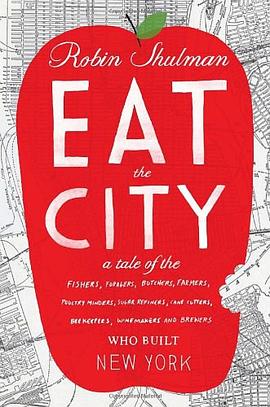
New York is not a city for growing and manufacturing food. It’s a money and real estate city, with less naked earth and industry than high-rise glass and concrete. Yet in this intimate, visceral, and beautifully written book, Robin Shulman introduces the people of New York City - both past and present - who do grow vegetables, butcher meat, fish local waters, cut and refine sugar, keep bees for honey, brew beer, and make wine. In the most heavily built urban environment in the country, she shows an organic city full of intrepid and eccentric people who want to make things grow. What’s more, Shulman artfully places today’s urban food production in the context of hundreds of years of history, and traces how we got to where we are.
In these pages meet Willie Morgan, a Harlem man who first grew his own vegetables in a vacant lot as a front for his gambling racket. And David Selig, a beekeeper in the Red Hook section of Brooklyn who found his bees making a mysteriously red honey. Get to know Yolene Joseph, who fishes crabs out of the waters off Coney Island to make curried stews for her family. Meet the creators of the sickly sweet Manischewitz wine, whose brand grew out of Prohibition; and Jacob Ruppert, who owned a beer empire on the Upper East Side, as well as the New York Yankees.
Eat the City is about how the ability of cities to feed people has changed over time. Yet it is also, in a sense, the story of the things we long for in cities today: closer human connections, a tangible link to more basic processes, a way to shape more rounded lives, a sense of something pure.
Of course, hundreds of years ago, most food and drink consumed by New Yorkers was grown and produced within what are now the five boroughs. Yet people rarely realize that long after New York became a dense urban agglomeration, innovators, traditionalists, migrants and immigrants continued to insist on producing their own food. This book shows the perils and benefits—and the ironies and humor—when city people involve themselves in making what they eat.
Food, of course, is about hunger. We eat what we miss and what we want to become, the foods of our childhoods and the symbols of the lives we hope to lead. With wit and insight, Eat the City shows how in places like New York, people have always found ways to use their collective hunger to build their own kind of city.
ROBIN SHULMAN is a writer and reporter whose work has appeared in the New York Times, the Washington Post, the Los Angeles Times , Slate , the Guardian , and many other publications. She lives in New York City.
作者简介
目录信息
读后感
评分
评分
评分
评分
用户评价
哇,这本书简直是本活地图,只不过它描绘的不是地理上的疆界,而是味蕾上的探索。作者的笔触细腻入微,仿佛带着我们穿梭在那些隐藏在街角巷尾的小餐馆里。我尤其喜欢他描述食物时的那种近乎诗意的语言,每一个词语都充满了对食材的敬畏和对烹饪艺术的赞叹。他不仅仅是在罗列菜品,更是在讲述这些食物背后的故事,那些传承了几代人的手艺,那些被时间打磨出的独特风味。读完之后,我立刻就想放下手机,冲出门去寻找那种“失落的美味”。它成功地激发了我骨子里对“吃”这件事最原始的热情,让我意识到,每一口食物都承载着一段历史,一种情感。书里的叙事节奏把握得极好,时而轻快活泼地介绍那些街头小吃,时而又沉静下来,去探究一道传统菜肴的复杂工艺。它不是一本简单的美食指南,而是一场关于城市生活哲学和饮食文化的深度对话。这本书的装帧设计也十分用心,那种复古的字体搭配现代的排版,让人在阅读时既感到亲切,又充满了发现新事物的惊喜。
评分这本书最让我感到惊喜的是它关于“时间”的呈现方式。作者似乎有一种魔力,能把瞬间的味觉体验拉伸成永恒的记忆。他笔下的食物,无一例外都与回忆紧密相连——可能是童年夏天午后的一碗冰镇甜汤,也可能是某个特定历史时刻的庆功宴。这种对私人记忆的深挖,让这本书充满了人性化的温度,它不再是冷冰冰的文化记录。我读到某些段落时,甚至会情不自禁地联想到自己生命中那些重要的时刻,那些与食物发生关联的瞬间。这种情感的共振是极强的,它提醒我们,吃不仅仅是生理需求,更是我们构建自我身份和维系人际关系的核心仪式。作者成功地将美食提升到了情感载体的层面,读完后,我感觉自己对过去的一些经历也有了更深刻的理解和释怀。
评分如果用一个词来形容这本书的感受,那就是“沉浸”。作者仿佛是一个经验丰富的导游,他不仅把你带到目的地,还让你亲身体验了到达过程中的所有感官刺激。他的描述中充满了大量的拟声词和触觉描写,你几乎能听到锅碗瓢盆的碰撞声,闻到油烟升腾的香气,甚至能感觉到食物在口中爆裂的质感。这种极致的感官描写,让阅读本身变成了一种近乎于“品尝”的行为。我特别欣赏他对“失败”和“不完美”的坦诚。他没有美化一切,反而细致地描绘了那些糟糕的用餐体验,那些失手的菜肴,正是这些“瑕疵”才让整本书显得如此真实可信,避免了沦为一本空洞的赞美诗。这本书的文字力量在于,它能让你在脑海中构建起一个完整、多维度的感官世界,这比任何高清照片都要来得震撼。
评分老实说,这本书的阅读门槛稍微有点高,它需要的不仅仅是你对美食的兴趣,更需要你有一定的文化背景知识储备,或者至少是愿意停下来去查阅那些作者信手拈来的典故。它的语言风格非常古典,夹杂着大量的文学典故和历史引述,读起来需要放慢速度,细细咀嚼每一个句子。这对于追求快餐式阅读体验的读者来说可能不太友好。但对于我这种喜欢啃“硬骨头”的人来说,这简直是宝藏。作者在探讨食物时,总能巧妙地将它与社会阶层、政治变迁乃至气候变化联系起来,展现出一种宏大的史诗感。它不是教你如何烹饪,而是教你如何“理解”你所吃的东西的社会学意义。那种深厚的学养和不加修饰的批判性思维,让这本书在同类题材中显得鹤立鸡群。
评分这本书的叙事手法简直是教科书级别的“非线性叙事”,它完全打破了我对传统美食评论的刻板印象。作者似乎对“结构”这个概念持有一种反叛的态度,内容在不同的城市传说、历史片段和个人回忆之间自由切换,却奇妙地汇聚成一股强大的情感洪流。我必须承认,一开始我有点跟不上这种跳跃感,但很快就被那种知识的密度和情感的张力所吸引。他引用的那些哲学思考,关于“什么是真正的地道”的探讨,非常发人深省。这不像是在读一个关于吃喝玩乐的轻松读物,更像是在参与一场严肃的学术辩论,只是论据都是用诱人的气味和无法抗拒的口感构建起来的。特别是他对某些被主流忽视的少数族裔美食传统的挖掘,那种尊重和深入挖掘的精神,让人由衷地敬佩。这本书的后劲很大,合上书本后,那种对“真实性”的追问会持续在脑海中回响。
评分What a 坑爹的 mandatory reading...
评分NYU summer reading assignment for class of 2017 ;)
评分What a 坑爹的 mandatory reading...
评分What a 坑爹的 mandatory reading...
评分What a 坑爹的 mandatory reading...
相关图书







本站所有内容均为互联网搜索引擎提供的公开搜索信息,本站不存储任何数据与内容,任何内容与数据均与本站无关,如有需要请联系相关搜索引擎包括但不限于百度,google,bing,sogou 等
© 2026 book.quotespace.org All Rights Reserved. 小美书屋 版权所有