

具体描述
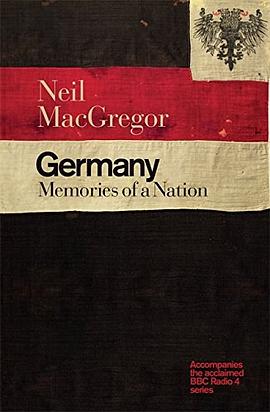
From Neil MacGregor, the author of A History of the World in 100 Objects, this is a view of Germany like no other. For the past 140 years, Germany has been the central power in continental Europe. Twenty-five years ago a new German state came into being. How much do we really understand this new Germany, and how do its people now understand themselves? Neil MacGregor argues that uniquely for any European country, no coherent, over-arching narrative of Germany's history can be constructed, for in Germany both geography and history have always been unstable. Its frontiers have constantly floated. Konigsberg, home to the greatest German philosopher, Immanuel Kant, is now Kaliningrad, Russia; Strasbourg, in whose cathedral Johann Wolfgang von Goethe, Germany's greatest writer, discovered the distinctiveness of his country's art and history, now lies within the borders of France. For most of the five hundred years covered by this book Germany has been composed of many separate political units, each with a distinct history. And any comfortable national story Germans might have told themselves before 1914 was destroyed by the events of the following thirty years. German history may be inherently fragmented, but it contains a large number of widely shared memories, awarenesses and experiences; examining some of these is the purpose of this book. Beginning with the fifteenth-century invention of modern printing by Gutenberg, MacGregor chooses objects and ideas, people and places which still resonate in the new Germany - porcelain from Dresden and rubble from its ruins, Bauhaus design and the German sausage, the crown of Charlemagne and the gates of Buchenwald - to show us something of its collective imagination. There has never been a book about Germany quite like it. Neil MacGregor has been Director of the British Museum since August 2002. He was Director of the National Gallery in London from 1987 to 2002. His previous books include A History of the World in 100 Objects and Shakespeare's Restless World, now between them translated into more than a dozen languages.
作者简介
尼尔•麦格雷戈
大英博物馆前馆长,伦敦古文物学会成员,英国著名艺术史学者。
1975年至1981年,在英国雷丁大学教授艺术与建筑史。
1981年至1987年,主编英语世界历史最悠久的美术及装饰艺术期刊《伯林顿杂志》。1987年至2002年,主持英国国家美术馆。
2002年至2015年,任大英博物馆馆长。
2010年,获英国女王颁赠功绩勋章。
主要作品有《大英博物馆世界简史》《大师之作的诞生》《莎士比亚的动荡世界》等。
目录信息
读后感
- 閱讀這本書是個十分享受的過程. 雖然書本十分厚, 有五百多頁, 但插圖及設計精美, 文字亦譯得流暢, 每個章節有自己的小主題, 十分易讀, 深入淺出, 難得的好書呀. - 我是在逛樂文時偶然碰見此書, 應該是剛到貨不久。但這種'磚頭'式的書, 我也很懷疑樂文會入多少本, 甚至整個香...
评分25年前,一座分隔东西柏林的高墙倒下了。在阅读许多纪念柏林墙倒下的文章时,我想起了曾经看过的德国电影系列《故土》(Heimat)。《故土》被称为德国“普通人的历史”,以莱茵地区农村一户人家及其后代为主角,共有三个系列,第一个系列跨越了一战结束到二战战败之间的历史,第...
评分对于这本书的内容来说,豆瓣满分根本毫无意义。 如若使用“图文并茂”这种词来形容这本书,感觉是对作者(包括译者)的侮辱。 由于明天要把书借给美女,今天匆匆忙忙翻了一下之前没细看的内容。 趴在床上,3个小时看到了拿战这章。因为我本身对欧洲中世纪到三十年战争的历史看...
评分分权体制的Compromise:The decentralized stucture of the Holy Roman Empire,with its patchwork of interlocking but independent states, meant that an overarching iconoclasm never took root。这种分权的方式值得德国人拥有宗教自由,可以信封基督教或者新教或者加尔文...
评分对于这本书的内容来说,豆瓣满分根本毫无意义。 如若使用“图文并茂”这种词来形容这本书,感觉是对作者(包括译者)的侮辱。 由于明天要把书借给美女,今天匆匆忙忙翻了一下之前没细看的内容。 趴在床上,3个小时看到了拿战这章。因为我本身对欧洲中世纪到三十年战争的历史看...
用户评价
当我合上《Germany》这本书时,脑海中浮现出的,是一个充满活力、不断进化、且对自身有着深刻认知而非固步自封的国家形象。作者在书中对德国科技创新的描绘,让我看到了一个国家如何凭借智慧和勇气,在激烈的国际竞争中保持领先地位。书中对德国在可再生能源、汽车制造、生物技术等领域的突出成就的介绍,都让我对其创新能力刮目相看。 我仿佛看到了德国科学家在实验室里孜孜不倦地探索,看到了德国工程师在工厂里一丝不苟地打造,看到了德国企业在市场上不断突破自我,引领行业发展。书中对德国大学在科研和人才培养方面的杰出贡献的阐述,更是让我认识到,一个国家的未来,很大程度上取决于其教育和科研体系的强大。这种对科技与教育的重视,是德国能够持续发展的重要驱动力。
评分《Germany》这本书,与其说是一部介绍德国的百科全书,不如说是一曲对德国文化多维度、深层次的探索乐章。作者并没有选择宏大叙事,而是将焦点放在那些看似微小却极其能代表德国精神的细节上。我尤其被书中对德国人“精益求精”精神的解读所打动。它不仅仅体现在其闻名遐迩的工业产品上,更渗透在德国人生活的方方面面。从对咖啡制作的严谨,到对园艺的细致打理,再到对公共交通时刻表的精准执行,都无不展现出一种对品质的极致追求。 书中对德国人社交方式的描绘也十分有趣。它打破了我之前认为德国人“冷漠”的刻板印象,揭示了他们内敛、注重私密空间,但一旦建立起信任,便会付出真挚友谊的特质。作者通过一些生活化的场景,比如邻里之间的问候、朋友聚会的细微互动,让我看到了德国人温暖而坚实的连接。此外,书中对德国教育体系的深入剖析,也让我大开眼界。它强调的并非一味的知识灌输,而是对学生批判性思维、独立思考能力的培养,以及对职业技能的重视,都让我看到了一个国家在人才培养上的长远考量。这本书的价值在于,它让我们看到一个真实的、立体化的德国,而非简单标签化的集合。
评分读完《Germany》,我感到自己仿佛在德国经历了一场精神上的洗礼。这本书的独特之处在于,它并非简单地陈列事实,而是通过一种极富情感共鸣的方式,引导读者去感受、去思考。作者在描述德国历史时,并没有回避那些沉重和痛苦的篇章,但同时,也着重展现了德国人民在面对历史反思时的勇气和决心。书中对二战后德国社会重建的描写,以及对“集中营纪念馆”等场所的详细介绍,都让我深刻体会到这个国家如何从过去的阴影中走出来,并以此为鉴,塑造更加光明的未来。 书中对德国艺术和音乐的论述也别具一格。它不仅仅罗列出莫扎特、贝多芬的名字,而是将他们的音乐如何与德国人的情感、民族性格相契合进行了深刻的解读。我仿佛能听到巴伐利亚山区传来的悠扬的号角声,感受到柏林街头现代艺术的活力。作者还特别强调了德国人在哲学思考上的深厚传统,从康德到尼采,他们的思想如何塑造了德国人的世界观,并对当今德国社会产生了持续的影响。这种将历史、艺术、哲学融为一体的写作方式,让《Germany》不仅仅是一本关于国家的介绍,更是一次关于人性、关于文明演进的深刻探索。
评分这本书,名为《Germany》,却远不止于对德国这个地理概念的描绘。它像是一位经验丰富的老友,娓娓道来,将一个国家的人文风情、社会脉络、精神内核,一点点地展现在我眼前。我尤为着迷于书中对德国人“时间观念”的细致刻画。那不仅仅是对守时的强调,更是对生命、对工作、对人际关系一种深度的尊重。书中描绘了德国人如何合理规划时间,如何高效地完成工作,又如何在闲暇时投入地享受生活。 我仿佛看到了德国人认真对待每一个会议,一丝不苟地执行每一个项目,又在周末悠闲地漫步在湖边,或是与家人朋友共享天伦之乐。这种对时间的平衡和掌控,让我深思我们自己的生活状态。书中对德国人“规则意识”的解读也令人印象深刻。它不是僵化的教条,而是渗透在日常生活的点点滴滴,构成了社会有序运转的基石。从交通规则到垃圾分类,从公共设施的使用到契约精神的恪守,都展现了一个高度文明的社会如何通过共同遵守规则,来保障每个个体的权益。
评分《Germany》这本书,以一种温润而坚定的笔触,勾勒出这个国家复杂而迷人的肖像。我之前对德国人的印象,可能多是“严肃”、“刻板”,但这本书却让我看到了他们身上那种深藏不露的幽默感和对生活的热爱。书中对德国节日庆典的描写,比如圣诞市场的热闹、啤酒节的狂欢,都展现了这个民族在辛勤工作之余,懂得如何尽情享受生活、释放压力的能力。 我仿佛能闻到圣诞市场空气中弥漫的烤杏仁和热红酒的香气,听到啤酒节上震耳欲聋的音乐和欢声笑语。作者并没有将这些描绘成肤浅的娱乐,而是深入挖掘了这些庆典背后所蕴含的文化意义和人与人之间的情感连接。此外,书中对德国人家庭观念的阐述也让我颇有感触。它强调了家庭作为社会基本单元的重要性,以及父母在子女教育中所扮演的积极角色。书中描述的那些温馨的家庭场景,让我感受到了德国社会深厚的亲情和责任感。
评分《Germany》这本书,就像是一扇窗户,让我得以窥见德国社会那看似宁静表象下涌动的澎湃思潮。作者在书中对德国民主制度的阐述,并非枯燥的政治学理论,而是通过对德国政治参与的生动描绘,让我看到了公民积极的社会责任感。书中对于社区自治、市民团体的活跃以及环境保护运动的深入挖掘,都展现了一个充满活力的公民社会。我仿佛看到了德国人在街头为公共议题发声,看到了他们在投票站认真投下自己的一票。 书中对德国经济模式的分析也十分精辟。它解释了为何德国能够成为欧洲经济的火车头,并不仅仅归功于其强大的工业制造能力,更在于其独特的“社会市场经济”模式,如何在追求经济效益的同时,兼顾社会公平和环境保护。作者通过讲述一些德国中小企业(Mittelstand)的成功故事,展现了这个群体在德国经济中的重要地位,以及他们所秉持的长期主义和工匠精神。这些故事充满了智慧和韧性,让我对德国经济的未来充满了信心。这本书让我看到了一个理性、务实且充满责任感的国家。
评分读完《Germany》,我发现自己对这个国家不再是模糊的印象,而是有了清晰而深刻的理解。作者在书中对德国的体育文化进行了精彩的描绘。从足球的狂热到冬季运动的挑战,都展现了德国人热爱运动、追求卓越的精神。书中对德国国家队在国际赛事中的辉煌战绩的介绍,以及对普通民众参与体育活动的热情,都让我感受到了体育在德国社会中所扮演的重要角色。 我仿佛看到了德国球迷在球场上为国家队呐喊助威,看到了德国人民在周末奔跑、骑行,享受运动带来的快乐。这种对健康生活方式的推崇,以及对团队合作精神的培养,都通过体育活动得到了充分体现。此外,书中对德国在音乐教育和普及方面的投入也让我印象深刻。它不仅仅是培养顶尖音乐家,更是让音乐成为普通人生活中不可或缺的一部分,滋养着每个人的心灵。
评分这次有幸读到《Germany》,着实让我对这个国家有了全新的认知。在翻开这本书之前,我对德国的印象大多停留在啤酒、香肠、严谨的工业制造以及一些历史上的片段。然而,《Germany》以一种极其细腻且富有温度的方式,将这个国家的灵魂一点点剥开,展现在我面前。它不仅仅是一本关于地理、历史或政治的教科书,更像是一次穿越时空的旅行,带领读者深入体验德国人民的生活方式、思维模式以及他们所珍视的价值观。 作者在描述德国的自然风光时,并没有简单地罗列出黑森林的幽深、莱茵河的蜿蜒或是阿尔卑斯山的壮丽,而是通过生动的笔触,将这些景致融入到德国人的日常之中。我仿佛能闻到巴伐利亚高地晨雾中混合着泥土和松木的清新气息,听到黑森林中林间小径上踩着落叶的沙沙声,甚至感受到莱茵河畔微风拂过脸颊的温柔。书中对于小镇生活刻画得尤为精彩,那些古老的石板路、色彩斑斓的木筋屋、静谧的教堂钟声,都营造出一种宁静而充满生活气息的画面。作者还特别强调了德国人在保护自然环境上的努力,从对森林的精心养护到对可持续能源的积极探索,都展现了一个民族对土地深厚的情感和对未来的责任感。这种将自然景观与人文精神巧妙结合的写作手法,让读者在欣赏美景的同时,也能深刻理解德国人与自然和谐共处的哲学。
评分《Germany》这本书,如同一幅徐徐展开的画卷,让我得以细细品味一个民族的独特气质。作者在书中对德国人在“传统与现代”之间的平衡处理进行了深入的探讨。它并非简单的二元对立,而是展现了德国人民如何珍视历史传承,同时又积极拥抱创新和变革。书中对德国一些古老城镇的保护,以及这些城镇如何融入现代生活,就是一个绝佳的例证。 我仿佛看到了古老的城堡在现代都市中矗立,看到了传统手工艺在科技创新中焕发新生。这种对传统的尊重,以及对未来的大胆设想,共同塑造了德国独特的文化魅力。书中对德国人在“个人主义与集体主义”之间辩证关系的分析也让我受益匪浅。它既强调了个人独立思考和自我实现的价值,也突出了集体责任感和社会合作的重要性。这种平衡的理念,让德国社会既充满活力,又富有凝聚力。
评分《Germany》这本书,对我而言,更像是一次深入的对话,与一个国家的历史、文化、人民进行了一场真诚的交流。作者在描述德国社会的多样性时,并没有回避其内部存在的挑战和矛盾,但同时也着重展现了德国人民如何以开放和包容的心态,去接纳不同的文化和观点。书中对德国城市生活多元化的描绘,从柏林前卫的艺术场景到汉堡国际化的港口氛围,都让我看到了一个充满包容性和活力的社会。 我仿佛看到了来自世界各地的人们在德国共同生活、工作,相互学习、相互促进。书中对德国社会福利体系的深入剖析,也让我认识到,一个强大的国家,不仅在于其经济实力,更在于其对公民福祉的关怀。这种完善的社会保障体系,让德国人民在面对生活中的困难时,能够感受到坚实的后盾。这种对社会公平和人文关怀的追求,是德国文明的重要组成部分。
评分从作者选择的每一个物件作为德国国家记忆的象征,围绕它讲述德国历史的某一个片断,以及这个片断对德国、德国人的意义。
评分写给对德国不太了解的人看的
评分30章30个话题,历史、文化、艺术等等全涉及了,适合对德国了解不多的读者。插图是真美啊!
评分通过文物讲述德国历史
评分相比一月份出差期间的法兰西历史(Roman - Louis XIV),这本德意志史,无论写作手法还是呈现的内容,都更加优秀。Tribute to Great Germany and Germans!
相关图书










本站所有内容均为互联网搜索引擎提供的公开搜索信息,本站不存储任何数据与内容,任何内容与数据均与本站无关,如有需要请联系相关搜索引擎包括但不限于百度,google,bing,sogou 等
© 2026 book.quotespace.org All Rights Reserved. 小美书屋 版权所有