

具体描述
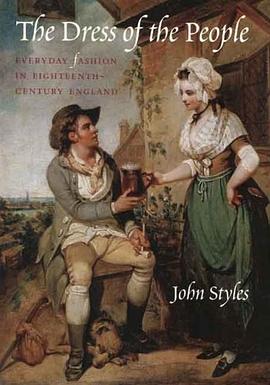
Material things transformed the lives of ordinary English men and women between the restoration of Charles II in 1660 and the Great Reform Act of 1832. Tea and sugar, the fruits of British mercantile and colonial expansion, transformed their diets. Pendulum clocks and Staffordshire pottery, the products of British manufacturing ingenuity, enriched their homes. But it was in their clothes that ordinary people enjoyed the greatest transformation in their material lives. In calico gowns and muslin neckerchiefs, in wigs and silver-plated shoe buckles, they flaunted the fruits of the nation's commercial prosperity. This book retrieves the unknown story of ordinary consumers in eighteenth-century England and what they wore. John Styles reveals that ownership of new fabrics and new fashions was not confined to the rich. It extended far down the social scale to the small farmers, day labourers, and petty tradespeople who formed a majority of the population. Styles reveals that humble men and women could be beneficiaries of the new kind of commercial society that emerged in eighteenth-century England, and not just its victims. He does so by focusing on three issues: the clothes they wore, the ways they acquired them, and the meanings they attached to them. The clothes worn by ordinary men and women were not all basic or utilitarian. What they called their 'best' clothes reflected the broad trends of high fashion, although they were not worn simply to emulate the lifestyles of the rich. Fashionable display by ordinary consumers was rooted in a world of popular custom, of fairs and holidays, of parish feasts and harvest homes. Popular custom and popular consumerism were allies, not enemies. This inventive and lucid book sheds new light on topics as diverse as crime, authority and retailing in eighteenth-century Britain, as well making a major contribution to broader debates around consumerism, popular culture and material life.
作者简介
John Styles is research professor in history, University of Hertfordshire, and coeditor (with Amanda Vickery) of Gender, Taste and Material Culture in Britain and North America, 1700-1830, published by Yale University Press.
目录信息
读后感
评分
评分
评分
评分
用户评价
这本书的行文风格极其流畅且富有个性,读起来完全没有学究气的沉闷。作者的语言如同高明的讲故事者,时而带着一种温暖的人情味,拉近与读者的距离;时而又陡然转为犀利和批判,直指核心问题。我特别欣赏作者在构建论点时所采用的那种灵活的叙事手法。他并不固守于单一的线性时间轴,而是巧妙地在不同时代、不同地域的案例之间进行跳跃和对比,这种非线性的结构反而极大地增强了观点的冲击力和趣味性。例如,当他将十八世纪某个贵族服饰的细节,与二十世纪初工厂工人的着装规范进行并置讨论时,那种强烈的反差和对比,使得服饰作为社会载体的功能被展现得淋漓尽致。这种行云流水的叙述节奏,让我在阅读时感到一种愉悦的智力释放,仿佛跟随着一位博学又风趣的向导在知识的迷宫中探索。
评分阅读这本书的过程,简直是一场穿越时空的智力探险。它并非那种直白的、教科书式的陈述,而是充满了微妙的暗示和多层次的解读空间。我发现自己常常需要停下来,不仅仅是理解文字表面的意思,更要去揣摩作者在字里行间埋藏的那些关于社会阶层、权力结构以及文化符号的隐喻。有那么几处论述,关于服饰在特定历史时期如何被用作无声的身份宣言,其论证之精妙,让我拍案叫绝。作者似乎有一种魔力,能将原本看似寻常的布料、剪裁,瞬间提升到哲学思辨的高度。读到某一段关于区域性服饰差异如何抵御中央集权影响的分析时,我脑海中立刻浮现出无数历史画面,那种代入感是其他同类书籍难以企及的。它挑战了我原有的认知框架,迫使我去重新审视那些我们习以为常的日常现象背后隐藏的复杂性。
评分这本《The Dress of the People》的装帧设计简直是视觉的盛宴,从封面到内页的排版,都透露出一种低调而深沉的质感。我尤其喜欢它选择的纸张,那种略带粗砺的手感,与书名所暗示的“人民的服装”的主题形成了奇妙的共鸣,仿佛触摸到了历史的纹理。虽然我尚未深入阅读其具体内容,但仅仅是翻阅那些精心挑选的图片和版式布局,就已经能感受到一种强大的叙事力量。排版师显然花费了大量心血去平衡文字与图像的关系,每一个留白,每一次跨页,都像是在为读者设置一个呼吸的空间,引导着视线自然地流淌。这种对视觉体验的极致追求,让我对书中可能蕴含的文化洞察充满了期待。它不仅仅是一本书,更像是一件被精心制作的工艺品,摆在书架上,就已经是极佳的装饰,让人忍不住想去探究,这份对“人民”着装的关注,究竟能揭示出怎样深刻的社会变迁与个体表达。
评分这本书最让我感到惊喜的是它在案例选择上的独到眼光和详尽的考据工作。它跳出了我们通常容易关注的那些“标志性”的服装,转而深入挖掘那些往往被主流叙事所忽略的群体和场合。那些关于特定行业制服的演变、特定区域祭祀服装的细微差别,以及在极端环境下(比如战争或饥荒时期)人们如何就地取材、创造出新的“必需品”着装的描述,极其生动且具有说服力。作者似乎对每一个细节都进行了地毯式的搜索,那些引用的文献和一手资料的丰富性,极大地增强了论述的可靠性。阅读这些细节时,我仿佛能闻到那个时代的气味,感受到那些布料在他们手中是如何被裁剪、缝纫和穿着的,这使得“人民的服装”这一抽象概念变得具体可感,充满了鲜活的人性温度。
评分我发现自己对这本书的“野心”感到由衷的敬佩。它似乎并不满足于仅仅梳理服饰的历史脉络,而是试图构建一个宏大的社会学、人类学甚至政治学的交叉分析框架。在探讨“人民的着装”时,作者没有回避那些令人不适的议题,比如强制性的着装规范如何成为国家机器控制个体自由的工具,或者时尚潮流是如何被精英阶层设计出来,再自上而下地灌输给大众的。这种批判性的深度,让这本书远超出了普通服饰史的范畴。它真正触及了权力、劳动、美学与身份认同之间那些错综复杂的互动关系。每读完一个章节,我总感觉自己对“穿衣”这件事的理解被重塑了一遍,它不再是肤浅的外表,而是深植于社会肌理之中,承载着无数斗争与妥协的符号系统。
评分 评分 评分 评分 评分相关图书







本站所有内容均为互联网搜索引擎提供的公开搜索信息,本站不存储任何数据与内容,任何内容与数据均与本站无关,如有需要请联系相关搜索引擎包括但不限于百度,google,bing,sogou 等
© 2026 book.quotespace.org All Rights Reserved. 小美书屋 版权所有