

具体描述
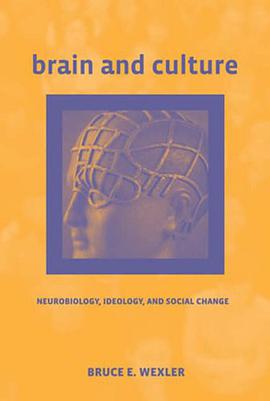
Research shows that between birth and early adulthood the brain requires sensory stimulation to develop physically. The nature of the stimulation shapes the connections among neurons that create the neuronal networks necessary for thought and behavior. By changing the cultural environment, each generation shapes the brains of the next. By early adulthood, the neuroplasticity of the brain is greatly reduced, and this leads to a fundamental shift in the relationship between the individual and the environment: during the first part of life, the brain and mind shape themselves to the major recurring features of their environment; by early adulthood, the individual attempts to make the environment conform to the established internal structures of the brain and mind. In Brain and Culture, Bruce Wexler explores the social implications of the close and changing neurobiological relationship between the individual and the environment, with particular attention to the difficulties individuals face in adulthood when the environment changes beyond their ability to maintain the fit between existing internal structure and external reality. These difficulties are evident in bereavement, the meeting of different cultures, the experience of immigrants (in which children of immigrant families are more successful than their parents at the necessary internal transformations), and the phenomenon of interethnic violence. Integrating recent neurobiological research with major experimental findings in cognitive and developmental psychology--with illuminating references to psychoanalysis, literature, anthropology, history, and politics--Wexler presents a wealth of detail to support his arguments. The groundbreaking connections he makes allow for reconceptualization of the effect of cultural change on the brain and provide a new biological base from which to consider such social issues as "culture wars" and ethnic violence.
作者简介
布鲁斯· E.韦克斯勒(Bruce E. Wexler),耶鲁大学医学院精神病学教授,美国康涅狄格州心理健康中心神经认知研究室主任。
目录信息
读后感
I read part of it. The prelude is attracting. The auther said that he is sitting on the biological view to dessect culture, which is what I have long been intrested in. Amaaaaazing! I googled the auther. He is a professor in Yale, and I really admire him.
评分I read part of it. The prelude is attracting. The auther said that he is sitting on the biological view to dessect culture, which is what I have long been intrested in. Amaaaaazing! I googled the auther. He is a professor in Yale, and I really admire him.
评分I read part of it. The prelude is attracting. The auther said that he is sitting on the biological view to dessect culture, which is what I have long been intrested in. Amaaaaazing! I googled the auther. He is a professor in Yale, and I really admire him.
评分I read part of it. The prelude is attracting. The auther said that he is sitting on the biological view to dessect culture, which is what I have long been intrested in. Amaaaaazing! I googled the auther. He is a professor in Yale, and I really admire him.
评分I read part of it. The prelude is attracting. The auther said that he is sitting on the biological view to dessect culture, which is what I have long been intrested in. Amaaaaazing! I googled the auther. He is a professor in Yale, and I really admire him.
用户评价
坦白说,这本书的阅读门槛不算低,它对读者的背景知识有着相当高的要求,但这恰恰是其魅力所在。我感觉自己像是在跟随一位经验极其丰富的向导,穿越一片知识的原始森林。当我们面对那些晦涩的术语和复杂的模型时,作者并没有采取简单粗暴的简化,而是选择了一种更具挑战性的方式:他引导我们去理解这些概念诞生的历史背景和理论局限。这种“带着镣铐跳舞”式的写作风格,反而让人更有安全感,因为它表明作者并未回避问题的复杂性,而是正视并试图驾驭它。在阐述生物学基础与文化建构之间的互动时,那种严谨的措辞和对文献的精准引用,无不体现出作者深厚的学术功底。即便有些地方我需要借助外部资料去辅助理解,但这种“主动学习”的过程,远比直接灌输知识来得更令人满足。读完某一章,我常常会有一种“终于明白了”的释然,但这并非是柳暗花明,而是经过一番攀登后的豁然开朗,收获的知识更为扎实。
评分这本书的装帧设计得非常别致,封面采用了一种略带磨砂质感的纸张,触感温润,深沉的靛蓝色背景上,几条流畅的白色线条抽象地勾勒出某种复杂的网络结构,让人一眼就能感受到其中蕴含的思辨深度。我拿到手时,首先被这种低调而富有质感的视觉效果所吸引。内页的排版也极为考究,字号适中,行间距拉得恰到好处,即便是长时间阅读也不会感到视觉疲劳。作者在章节的划分上显得匠心独运,每一部分似乎都在试图搭建一个宏大叙事框架,引导读者从一个微小的观察点,逐步深入到更广阔的人类认知图景之中。我尤其欣赏它在处理那些极为艰深的概念时,所采取的那种近乎文学化的叙事方式,它不像许多学术著作那样冷峻刻板,反而充满了探索的魅力。翻阅目录时,那些诸如“镜像神经元的形而上学意义”、“文化演进中的认知瓶颈”之类的标题,就如同一个个精心设置的诱饵,让人迫不及待地想要潜入文字的海洋,去追寻那些潜藏在人类行为模式背后的深层逻辑。整体来看,这本书在物理呈现上就给人一种高品质的阅读体验,仿佛捧在手里的不仅仅是一本书,而是一件精心打磨的智力工具。
评分这本书最让我感到震撼的,是它对“时间感”和“叙事结构”的探讨。它并非只是在描述“我们是如何思考的”,更深层次地,它在追问“我们是如何构建‘我们’这个概念的”。作者对人类历史的宏大尺度把握得极为精准,他能在不经意间将一个关于个体记忆的微观分析,瞬间拉升到文明演替的宏观层面。这种在尺度上的自如切换,使得全书充满了动态的美感,仿佛置身于一个不断自我重塑的有机体之中。书中关于“认知惰性如何阻碍社会变革”的论述尤其发人深省,它揭示了那些根深蒂固的文化习惯,实际上是我们在面对不确定性时所采取的一种节能策略。这种对人类局限性的深刻洞察,没有带来悲观主义,反而是激发了一种更具同情心的理解。它迫使我反思,我们今天所珍视的那些“真理”,在千年之后,是否也会被视为另一种形式的、暂时的生存优化方案。这种历史的纵深感,让这本书的重量远超出了普通科普或学术读物的范畴。
评分这本书的论证路径实在是太引人入胜了,它巧妙地避开了传统心理学或社会学著作中常见的二元对立思维模式。作者似乎更热衷于在看似矛盾的现象之间架设桥梁,比如,他如何将古典哲学中的“自由意志”问题,与当代神经科学中关于决策过程的量化分析相结合,构建了一个极具张力的对话空间。我阅读过程中,经常需要停下来,反复咀嚼某些段落,因为它不像那种线性推进的论述,更像是一张多维度的思维导图,每一个论点都像是从不同的角度发射出的激光束,最终汇聚在一个核心的洞察点上。特别是关于“集体意识如何通过模仿性学习固化为文化规范”的那几章,作者引用了大量的跨学科案例,从史前岩画的传播模式到现代社交媒体的病毒式营销,这些看似风马牛不相及的例子,在他手中却被编织成一张严密的逻辑网。这种处理方式极大地拓宽了我的思维边界,让我开始用一种全新的、流动的视角去审视日常生活中那些被我们视为“理所当然”的社会结构和个人习惯。它需要的不是被动接受,而是积极参与到这场思维的“搏击”之中。
评分如果用一个词来概括这本书给我的感受,那就是“连接”。它不是孤立地探讨某一个领域的问题,而是像一个巨大的信息枢纽,将生物学、人类学、认知科学乃至符号学等看似分散的知识网络有效地串联起来。我特别喜欢作者在结论部分所展现出的那种审慎的乐观主义。他并不急于给出一个终极答案,而是留下了一系列开放性的问题,邀请读者继续在已有的知识结构之上进行延伸和批判性思考。这本书的行文节奏是富有弹性的,它时而如同精密的手术刀般细致入微,深入分析神经回路的细微差别;时而又像气象学家的宏观预测,勾勒出未来人类认知模式可能演变的方向。它成功地将智力的“硬科学”与人文精神的“柔软性”融合在一起,展现出一种极具生命力的知识形态。读完合上书本的那一刻,我感觉到自己看待世界的方式,已经悄然发生了一些不易察觉的、却又极其重要的校准,那种感觉非常美妙,像是在脑中完成了一次重要的系统升级。
评分突然来了兴致搜了下这本书。。。。
评分突然来了兴致搜了下这本书。。。。
评分突然来了兴致搜了下这本书。。。。
评分突然来了兴致搜了下这本书。。。。
评分突然来了兴致搜了下这本书。。。。
相关图书














本站所有内容均为互联网搜索引擎提供的公开搜索信息,本站不存储任何数据与内容,任何内容与数据均与本站无关,如有需要请联系相关搜索引擎包括但不限于百度,google,bing,sogou 等
© 2026 book.quotespace.org All Rights Reserved. 小美书屋 版权所有