

具体描述
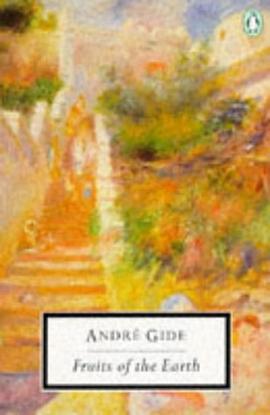
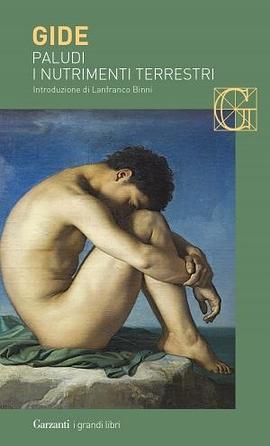
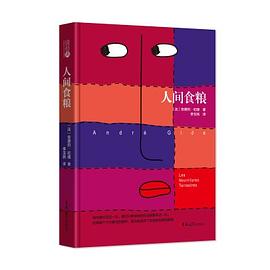
The following summary is directed from http://insidebooks.blogspot.com/2007/06/book-of-books-fruits-of-earth.html)
Up front it’s probably best to make the position clear – I thought this book failed to do what it set out to achieve. The reason is because of the style and the devices used to address the reader. For a book that is meant to be a passionate plea to enjoy life and the fruits of the earth from a man who thinks he is dying it lacks punch. Even in his introduction Andre Gide almost sets it up for a fall admitting that in a decade only 500 copies of the book sold.
Plot summary
The narrator is addressing the reader to embrace life listing themes and experiences with a constant attempt to increase the fervour of the reader. The narrator is addressing a figure called Nathaniel and within his recollections asks advice from a character Menalcas, that is meant to be Oscar Wilde (according to the dust jacket blurb). The chapters are usually themed, for instance drink and food, and contain a mixture of prose and poetry. But there is a second book included that rather than looking at nature and the fruits of the earth focuses on some specific anecdotes as evidence that the best approach to take to life is through communism. Even in the communist part of the book there is a constant theme of loving nature and loving God, who Gide views as being the creator and therefore responsible for all the good things. Man made vices and problems are not to be confused with the good that nature can provide.
Is it well written?
It can be confusing, difficult to follow and ultimately can leave you feeling unrewarded. Because of the chapters being broken up with front pieces and in the second book the text rarely taking up more than the top half of a page there are also style issues that add to the difficulties for the reader. But the real problem is that the central idea about living life to the full only occasionally comes to the surface with the poetry, Oscar Wilde figure and the style of writing all getting in the way.
Should it be read?
As an introduction to Gide I suspect there are better starting points. The attraction of Fruits of the Earth is slightly oversold on the dust jacket. There are some parts that are genuinely inspiring, particularly when he is describing the way we all take for granted the beauty of nature or forget the first time we felt love or felt like rulers of the world after getting drunk. But there is too much confusion for most readers and the consequence is that this will understandably get left to one side.
Summary
Enjoy life while you still have the chance and remember the beauty of nature.
作者简介
André Paul Guillaume Gide (French pronunciation: [ɑ̃dʁe pɔl ɡijom ʒid]) (November 22, 1869—February 19, 1951) was a French author and winner of the Nobel Prize in literature in 1947. Gide's career ranged from its beginnings in the symbolist movement, to the advent of anticolonialism between the two World Wars.
Known for his fiction as well as his autobiographical works, Gide exposes to public view the conflict and eventual reconciliation between the two sides of his personality, split apart by a strait-laced education and a narrow social moralism. Gide's work can be seen as an investigation of freedom and empowerment in the face of moralistic and puritan constraints, and gravitates around his continuous effort to achieve intellectual honesty. His self-exploratory texts reflect his search of how to be fully oneself, even to the point of owning one's sexual nature, without at the same time betraying one's values. His political activity is informed by the same ethos, as suggested by his repudiation of communism after his 1936 voyage to the USSR... (Continue reading at http://en.wikipedia.org/wiki/Andr%C3%A9_Gide)
目录信息
读后感
评分
评分
评分
评分
用户评价
如果用一个词来形容《黄金沙海的秘密》,那一定是“沉浸”。这本书的背景设定在一个虚构的、被沙漠吞噬的国度,作者对异域文化的描摹细致到了令人发指的地步。从那些繁复的服饰纹样,到严格的饮水礼仪,再到关于风暴的古老预言,无一不充满了异域风情和强烈的地域色彩。我感觉自己完全被热浪包围了,能闻到那种干燥的、带着硫磺气味的空气。故事的主线是关于寻宝和复仇,但真正的宝藏并非那些闪闪发光的金器,而是主角在寻找过程中对自我身份的重新认同。作者对于角色的内心独白处理得非常到位,特别是当主角面临信仰与生存的两难抉择时,那种内心的撕扯感,让人感同身受。这本书的节奏把握得非常好,前半部分是缓慢而充满细节的铺陈,如同沙漠中的旅程一样步履维艰,而后半部分则在发现真相后猛烈爆发,让人一口气读完,根本停不下来。
评分坦白讲,我对科幻小说一向抱持着审慎的态度,但《量子纠缠的蝴蝶》彻底颠覆了我的认知。这本书的科学概念构建得实在太扎实了,读起来完全不像是在看虚构的故事,更像是在阅读一份未来世界的科技白皮书,只不过是用一种充满诗意和情感的方式包装起来的。作者对于粒子物理和多维空间的理解,似乎已经超越了一般的想象力。特别是书中对于“观察者效应”的文学化处理,简直是神来之笔——它将物理学的抽象概念,直接投射到了人际关系的微妙之处,那种因为观测而改变了本质的爱情和友谊,读得我心头一紧。情节的推进非常紧凑,高潮迭起,每一个技术突破都伴随着巨大的伦理困境。我得承认,中间有一段关于时间线修复的描述,我可能需要去查阅一些基础的物理知识才能完全跟上,但这恰恰证明了这本书的深度——它不迎合读者的惰性,而是要求我们共同成长。
评分这本书,我必须得说,它的文笔像极了一场突如其来的暴风雨,措不及防,却又让人感到一种酣畅淋漓的释放。我指的是《迷雾之下的钟声》。这本书的结构简直是精妙绝伦,采用了多重视角叙事,但每一个视角的切换都非常自然,没有丝毫的生硬感。最让我拍案叫绝的是作者对“声音”的描绘。它不仅仅是描述了钟声的响起,更是将那种共振、那种穿透力、那种能唤醒沉睡记忆的频率,转化成了可以触摸的实体。我感觉自己像是被卷入了一场持续的听觉盛宴。情节上,它探讨了一个关于“选择与后果”的永恒主题,但处理得极其细腻,没有廉价的说教,而是通过一系列令人窒息的困境,让读者自己去得出结论。那些小镇上的居民,每个人都有自己的秘密,他们的对话充满了暗示和潜台词,你需要像侦探一样去拼凑真相。这种阅读体验,与其说是看书,不如说是在参与一场智力游戏,充满了挑战性,也因此带来了巨大的满足感。
评分我对那种探讨“人性幽暗面”的作品总是难以抗拒,而《深渊的回响》无疑是其中的佼佼者。这本书的基调是灰暗的,它毫不留情地揭示了在一个封闭、高压的环境下,人类的道德防线是如何一步步崩塌的。作者的叙事视角像是一把锋利的手术刀,精准地切开了社会结构中的腐朽和个体心中的恐惧。这本书的魅力在于它的“真实感”,即便故事是完全虚构的,但人物的反应、他们为了自保而做出的那些卑劣行径,都让人觉得这是完全可能发生的。它探讨的不是谁是“好人”或“坏人”,而是“环境如何塑造人”。书中大量的对话场景设计得极其精彩,充满了张力,每一句话都可能暗藏杀机或谎言。读完后,我感到一种莫名的疲惫,但同时又有一种清醒的认知——对人性的复杂性有了更深刻的理解。这本书的后劲很大,它会持续地在你脑海中回荡,让你不断反思我们所处世界的真实面貌。
评分天哪,我刚刚读完了一本名为《星辰的低语》的书,简直让人爱不释手!这本书的叙事手法非常独特,作者似乎对时间的概念有着自己一套异于常人的理解。故事的主线围绕着一个失落的文明展开,那些古老的符号和传说被层层剥开,每揭开一层,都能感受到那种宏大而又带着一丝悲凉的历史厚重感。尤其让我印象深刻的是,作者在描写那些已经消逝的建筑群落时,那种光影的变幻和材质的肌理感,仿佛我真的能闻到空气中弥漫的、带着矿物质味道的尘土气息。角色的塑造也极其立体,特别是那个沉默寡言的探险家,他的每一次内心挣扎和对未知的好奇心,都写得入木三分。我常常需要停下来,对着空白的墙壁想象那个世界究竟是什么模样。这本书的哲学意味也十分浓厚,它探讨了记忆的不可靠性以及文明循环的必然性,读完后让人忍不住陷入沉思,对我们习以为常的生活产生了全新的审视角度。这本书绝对不是那种读完就忘的快餐文学,它需要你全身心的投入,去解码那些深埋在文字之下的复杂信息。
评分我生活在妙不可言的等待中,等待随便哪种未来。
评分青年必读
评分我生活在妙不可言的等待中,等待随便哪种未来。
评分我生活在妙不可言的等待中,等待随便哪种未来。
评分青年必读
相关图书








本站所有内容均为互联网搜索引擎提供的公开搜索信息,本站不存储任何数据与内容,任何内容与数据均与本站无关,如有需要请联系相关搜索引擎包括但不限于百度,google,bing,sogou 等
© 2026 book.quotespace.org All Rights Reserved. 小美书屋 版权所有