

具体描述
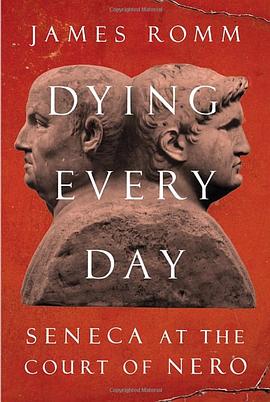
From acclaimed classical historian, author of Ghost on the Throne (“Gripping . . . the narrative verve of a born writer and the erudition of a scholar” —Daniel Mendelsohn) and editor of The Landmark Arrian:The Campaign of Alexander (“Thrilling” —The New York Times Book Review), a high-stakes drama full of murder, madness, tyranny, perversion, with the sweep of history on the grand scale.
At the center, the tumultuous life of Seneca, ancient Rome’s preeminent writer and philosopher, beginning with banishment in his fifties and subsequent appointment as tutor to twelve-year-old Nero, future emperor of Rome. Controlling them both, Nero’s mother, Julia Agrippina the Younger, Roman empress, great-granddaughter of the Emperor Augustus, sister of the Emperor Caligula, niece and fourth wife of Emperor Claudius.
James Romm seamlessly weaves together the life and written words, the moral struggles, political intrigue, and bloody vengeance that enmeshed Seneca the Younger in the twisted imperial family and the perverse, paranoid regime of Emperor Nero, despot and madman.
Romm writes that Seneca watched over Nero as teacher, moral guide, and surrogate father, and, at seventeen, when Nero abruptly ascended to become emperor of Rome, Seneca, a man never avid for political power became, with Nero, the ruler of the Roman Empire. We see how Seneca was able to control his young student, how, under Seneca’s influence, Nero ruled with intelligence and moderation, banned capital punishment, reduced taxes, gave slaves the right to file complaints against their owners, pardoned prisoners arrested for sedition. But with time, as Nero grew vain and disillusioned, Seneca was unable to hold sway over the emperor, and between Nero’s mother, Agrippina—thought to have poisoned her second husband, and her third, who was her uncle (Claudius), and rumored to have entered into an incestuous relationship with her son—and Nero’s father, described by Suetonius as a murderer and cheat charged with treason, adultery, and incest, how long could the young Nero have been contained?
Dying Every Day is a portrait of Seneca’s moral struggle in the midst of madness and excess. In his treatises, Seneca preached a rigorous ethical creed, exalting heroes who defied danger to do what was right or embrace a noble death. As Nero’s adviser, Seneca was presented with a more complex set of choices, as the only man capable of summoning the better aspect of Nero’s nature, yet, remaining at Nero’s side and colluding in the evil regime he created.
Dying Every Day is the first book to tell the compelling and nightmarish story of the philosopher-poet who was almost a king, tied to a tyrant—as Seneca, the paragon of reason, watched his student spiral into madness and whose descent saw five family murders, the Fire of Rome, and a savage purge that destroyed the supreme minds of the Senate’s golden age.
作者简介
目录信息
读后感
评分
评分
评分
评分
用户评价
这本书简直是一场思想的盛宴!作者以极其细腻的笔触,将那些我们习以为常却又常常忽略的生命瞬间捕捉得淋漓尽致。它不是那种跌宕起伏、情节爆炸的小说,而更像是一面镜子,静静地映照出我们内心深处最真实的焦虑与渴望。阅读的过程,就像是进行了一次漫长而深入的自我对话。我尤其欣赏作者对于“时间流逝”这一主题的处理方式,那种近乎哲学的沉思,却又完全建立在日常生活的琐碎之上,让人在捧腹之余,又感到一阵阵的寒意。那种感觉很奇妙,好像你正在读的不是文字,而是自己的呼吸声。书中的意象构建非常成功,比如某段描述黎明时分城市天际线的文字,那种冷峻的美感,至今仍在我的脑海中挥之不去。它迫使你停下来,去审视你如何度过了你生命中每一个“不可逆转”的上午。如果说有什么不足,也许是有些章节的跳跃性略大,需要读者投入极高的专注力才能完全跟上作者那如同意识流一般的思绪转折。但总的来说,这是一部值得反复咀嚼,每次都能品出新滋味的佳作。
评分读完这本书,我需要时间来重新适应正常的生活节奏。这绝不是一本能让你在通勤路上轻松翻阅的读物,它要求你全身心地投入,甚至需要准备好纸巾——不是因为悲伤,而是因为那些精准击中你内心痛点的瞬间,会让你产生一种强烈的、近乎生理上的共鸣。作者的叙事结构非常大胆,它似乎在玩弄因果关系,让你在不同的时间线和情绪维度中穿梭。我特别喜欢那些片段化的、像诗歌一样的段落,它们如同散落在地上的宝石,各自闪耀着独特的光芒,需要你耐心地将它们拼凑起来,才能看到全貌。这种“碎片化叙事”对于我这种偏爱线性故事的读者来说,初期是有些挑战的,但一旦进入状态,那种探索的乐趣是无与伦比的。它不是在“告诉你”什么,而是在“让你体验”什么。全书散发着一种知识分子的疏离感,但又充满了对人性的深刻洞察,这使得它既有高度,又有温度。我推荐给所有正在经历人生重大转折期,或者感到与周围世界格格不入的朋友们。
评分这是一部需要“耐心”才能真正品味出其中滋味的文学作品。它不像流行的快餐读物那样能提供即时满足感,相反,它像一坛需要时间窖藏的美酒,初尝可能略显辛辣,但回味悠长。作者的笔力深厚,他似乎能洞察到人类情感的每一个细微的纹理,无论是爱意的萌芽还是厌倦的滋生,都被他剖析得清清楚楚。我发现自己在阅读那些关于人际关系处理的段落时,会不自觉地放慢速度,反复揣摩其中的微妙之处。这本书的魅力在于其对“人情世故”的冷静观察,它不批判,不煽情,只是冷静地陈述事实,却比任何激烈的控诉都更具杀伤力。整本书的氛围是压抑与希望并存的,像是在暴风雨来临前的寂静,让你屏息凝神,期待着下一秒的释放。总而言之,如果你想读一本能让你重新审视自己与世界关系的书,这本书绝对能提供一个独一无二的视角。
评分这部作品的排版和装帧设计,本身就是一种艺术表达。那种故意留白的边距、字体选择的细微变化,都在潜移默化地影响着读者的心境。我很少在文学作品中看到如此强调“物理阅读体验”的作者。内容上,它探讨了一个核心议题:我们如何定义“存在”的有效性?作者通过一系列虚构的(或者半虚构的)人物案例,展示了不同个体在面对“无意义感”时所采取的截然不同的应对策略。我个人对其中关于“记忆的不可靠性”那一章印象深刻。它提出了一个令人不安的观点:我们所珍视的过去,可能只是一堆精心编排的幻觉。这本书的行文逻辑严密,像一个精密的数学证明过程,但它所推导出的结论却是极度感性的。对于那些喜欢挑战思维定势、不惧怕被引导至认知边缘的读者来说,这本书是必读的。它不是提供答案,而是提供更尖锐的问题。
评分坦白讲,我一开始对这本书的期待值是比较高的,毕竟市场上的反响非常热烈。然而,实际阅读体验却是一场充满惊喜的“意外”。它完全没有落入那种刻板的、预设好的“深度思考”的陷阱。作者的语言风格极其口语化,夹杂着大量的现代俚语和网络文化梗,这让原本可能显得沉重的主题变得异常轻盈和接地气。书中描绘的那些“微小的失败”——比如忘记回复一封重要的邮件,或者在社交场合说了句不得体的话——被放大成了宇宙级的灾难。这种反差制造了一种黑色幽默的张力。阅读过程中,我感觉自己像是在偷听一个才华横溢的朋友在午夜时分对着一杯威士忌的喃喃自语。虽然整体上节奏偏慢,但那些突然爆发出的、充满智慧的观察点,总能把我从边缘拉回中心。这本书的独特之处在于,它歌颂了“不完美”本身,肯定了日常琐碎的价值,这在充斥着成功学鸡汤的时代,显得尤为珍贵和反叛。
评分loading.........
评分loading.........
评分loading.........
评分loading.........
评分loading.........
相关图书







本站所有内容均为互联网搜索引擎提供的公开搜索信息,本站不存储任何数据与内容,任何内容与数据均与本站无关,如有需要请联系相关搜索引擎包括但不限于百度,google,bing,sogou 等
© 2026 book.quotespace.org All Rights Reserved. 小美书屋 版权所有