
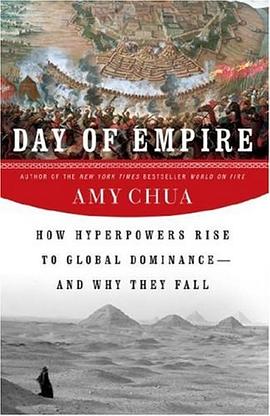

具体描述
In a little over two centuries, America has grown from a regional power to a superpower, and to what is today called a hyperpower. But can America retain its position as the world’s dominant power, or has it already begun to decline?
Historians have debated the rise and fall of empires for centuries. To date, however, no one has studied the far rarer phenomenon of hyperpowers—those few societies that amassed such extraordinary military and economic might that they essentially dominated the world.
Now, in this sweeping history of globally dominant empires, bestselling author Amy Chua explains how hyperpowers rise and why they fall. In a series of brilliantly focused chapters, Chua examines history’s hyperpowers—Persia, Rome, Tang China, the Mongols, the Dutch, the British, and the United States—and reveals the reasons behind their success, as well as the roots of their ultimate demise.
Chua’s unprecedented study reveals a fascinating historical pattern. For all their differences, she argues, every one of these world-dominant powers was, at least by the standards of its time, extraordinarily pluralistic and tolerant. Each one succeeded by harnessing the skills and energies of individuals from very different backgrounds, and by attracting and exploiting highly talented groups that were excluded in other societies. Thus Rome allowed Africans, Spaniards, and Gauls alike to rise to the highest echelons of power, while the “barbarian” Mongols conquered their vast domains only because they practiced an ethnic and religious tolerance unheard of in their time. In contrast,
Nazi Germany and imperial Japan, while wielding great power, failed to attain global dominance as a direct result of their racial and religious intolerance.
But Chua also uncovers a great historical irony: in virtually every instance, multicultural tolerance eventually sowed the seeds of decline, and diversity became a liability, triggering conflict, hatred, and violence.
The United States is the quintessential example of a power that rose to global dominance through tolerance and diversity. The secret to America’s success has always been its unsurpassed ability to attract enterprising immigrants. Today, however, concerns about outsourcing and uncontrolled illegal immigration are producing a backlash against our tradition of cultural openness. Has America finally reached a “tipping point”? Have we gone too far in the direction of diversity and tolerance to maintain cohesion and unity? Will we be overtaken by rising powers like China, the EU or even India?
Chua shows why American power may have already exceeded its limits and why it may be in our interest to retreat from our go-it-alone approach and promote a new multilateralism in both domestic and foreign affairs.</p>
作者简介
艾米·蔡(Amv Chua),美国耶鲁法学院华裔教授,畅销书《火焰上的世界》(World on Fire)的作者,也是国际贸易,种族斗争和全球化领域的著名专家。她和丈夫,三个女儿一起生活在康涅狄格州的纽黑文市。
目录信息
读后感
提出一个很好的概念。但是过于有目的的选择和过滤事实,使得结论比较牵强。但是无论如何是一个值得考虑的观点。 文化的兴衰并不完全由开放程度和交流决定。和《枪炮细菌钢铁》一起看更有感触。这事儿,不好说。。。
评分提出一个很好的概念。但是过于有目的的选择和过滤事实,使得结论比较牵强。但是无论如何是一个值得考虑的观点。 文化的兴衰并不完全由开放程度和交流决定。和《枪炮细菌钢铁》一起看更有感触。这事儿,不好说。。。
评分提出一个很好的概念。但是过于有目的的选择和过滤事实,使得结论比较牵强。但是无论如何是一个值得考虑的观点。 文化的兴衰并不完全由开放程度和交流决定。和《枪炮细菌钢铁》一起看更有感触。这事儿,不好说。。。
评分整个“宽容”大体可说是宗教宽容史,这是属于西方世界的心头病。即,看着乐就行了。 前言中艾米蔡对落后中国的态度让部分书友看了后,怒骂其忘根。但我寻思,一个外祖父都以成为美国公民而自豪的人,她的家在哪,哪就是她的根。大可不必因为带意识色彩的前言言论,从而否定整本...
评分引用“蔡美儿关于这段历史的前所未有的论证揭露了一个令人入迷的格局:尽管这几个世界统治力量各不相同,但是至少有一点是相通的,那就是它们在所处的那段时期都是最为多元化以及宽容的。”引用完毕~ 多元化和宽容是建立在强大的军事力量和庞大充足的财富这两大基础上的。 没有...
用户评价
《Day of Empire》的魅力,还在于它对于历史的独特解读。作者并没有简单地遵循既定的历史叙事,而是通过对大量史实的深入研究,挖掘出那些被忽视的细节,呈现出一种更加立体和 nuanced 的历史图景。我喜欢它在展现帝国辉煌的同时,也毫不避讳地揭示其内在的矛盾与危机。书中对于统治者决策的分析,对于社会阶层之间关系的描绘,以及对于文化冲突的探讨,都充满了深刻的洞察力。我仿佛看到,每一个帝国的兴衰,都不是一蹴而就的,而是多种复杂因素共同作用的结果。《Day of Empire》让我认识到,历史并非线性的进步,而是一个充满循环和反思的过程。它鼓励读者去质疑、去探究,去理解历史事件背后更深层次的原因。这种开放性的叙事,也给了我很大的思考空间,让我能够将书中的内容与当今社会进行对比和联系。
评分在阅读《Day of Empire》之前,我对历史小说总有一种既期待又忐忑的情绪。期待它能像一扇窗,让我窥见遥远时代的风貌,感受历史洪流的澎湃;忐忑的是,有时历史的厚重和复杂的叙事容易让人望而却步,甚至感到枯燥。《Day of Empire》却以一种令人惊喜的方式,彻底打消了我的顾虑。这本书并非那种堆砌史料、充斥枯燥年份的教科书式作品,而是将宏大的历史背景与鲜活的人物命运巧妙地编织在一起,构成了一幅波澜壮阔的时代画卷。它成功的关键在于,作者并非简单地复述事件,而是深入挖掘了那个时代人们的情感、思想以及他们在历史洪流中的挣扎与选择。每一个章节都仿佛是精心雕琢的片段,无论是战场上的刀光剑影,还是宫廷中的尔虞我诈,抑或是普通百姓在时代变迁中的喜怒哀乐,都被描绘得淋漓尽致,栩栩如生。我尤其惊叹于作者对细节的把握,那些服装的质地、食物的气味、建筑的风格,乃至人们言谈举止的细微之处,都充满了那个时代的印记,让读者仿佛置身其中,亲身感受历史的温度。这种沉浸式的阅读体验,让我对那个遥远的帝国有了更深切、更立体的认识,不再是冰冷的文字,而是有血有肉的生命。
评分《Day of Empire》带给我的不仅仅是一次阅读体验,更是一次思想的启迪。书中对于权力、荣耀、忠诚与背叛的探讨,触及了人性的最深处。在那个风云变幻的时代,无数个体在巨大的历史车轮下,为了各自的信念、欲望或生存而奋斗。我看到了那些肩负帝国命运的统治者,他们如何在野心与责任之间摇摆;我看到了那些为荣誉而战的战士,他们如何在生死关头展现出惊人的勇气;我也看到了那些在夹缝中求生的普通人,他们如何在动荡中寻找一线的生机。《Day of Empire》并没有简单地将人物划分成“好人”与“坏人”,而是深刻地展现了每个人物所处的环境、面临的困境以及他们做出选择的复杂动因。这种对人性的多层次描绘,使得故事更具深度和感染力,也引发了我对自己所处时代的思考:在现代社会,我们又将面临怎样的抉择?我们所追求的“帝国”又是什么?这本书让我反思,那些看似遥远的冲突和决策,其实与我们当下的生活有着千丝万缕的联系,都根植于我们共同的人性之中。
评分《Day of Empire》所构建的世界,并非是一个单调的、由史实堆砌而成的模型,而是一个充满生命力的、有血有肉的生态系统。我在这本书中看到了不同文化、不同信仰、不同阶层的人们是如何在这个庞大的帝国中生存、交流、碰撞,并最终影响着彼此的命运。作者在描绘这些互动时,展现出了极高的敏感度和洞察力,他能够捕捉到那些细微的文化差异,以及这些差异所带来的冲突与融合。我尤其喜欢书中对于一些边缘人物的描写,他们的故事虽然不像统治者或将军那样引人注目,但却同样是构成这个帝国的重要组成部分,他们的经历也同样充满了智慧和勇气。《Day of Empire》让我意识到,历史的厚重感,并不仅仅体现在那些宏大的事件上,更体现在每一个普通人的生命轨迹之中。
评分在我看来,《Day of Empire》最成功之处在于它能够将宏大的历史事件,通过具体的人物故事来展现,从而赋予历史以温度和人情味。我不再是被动的接受者,而是成为了一个积极的参与者,与书中的角色一起经历了那个时代的风风雨雨。我看到了他们为了生存而进行的斗争,为了信仰而付出的牺牲,以及在绝境中闪耀的人性光辉。作者对于战争场面的描绘尤为精彩,那些刀枪相见的厮杀,那些策略的运用,以及士兵们在战场上的恐惧与勇气,都被刻画得真实而震撼。同时,书中对于宫廷政治的描写也同样扣人心弦,那些阴谋诡计,那些权力斗争,让我仿佛置身于一个充满了尔虞我诈的棋局之中。每一次的翻页,都像是揭开一层新的面纱,让我对那个帝国有了更深入的了解,也让我对人性的复杂有了更深刻的认识。
评分《Day of Empire》是一部能够点燃读者对历史热情的杰作。它并非那种枯燥乏味的史学研究,而是用引人入胜的故事,将我们带回那个充满传奇色彩的时代。我喜欢它在描绘帝国壮丽图景的同时,也深入剖析了其内在的权力运作、社会结构以及文化变迁。作者对于历史事件的梳理清晰而富有逻辑,他能够将错综复杂的历史线索,通过精彩的叙事展现出来,让读者能够轻松地理解和跟随。我沉浸在书中所描绘的那些宏大的场景中,也为书中人物跌宕起伏的命运而揪心。我看到了那个帝国是如何一步步走向辉煌,又如何面临着各种挑战,而这一切的背后,都离不开那些在历史舞台上扮演着不同角色的个体。《Day of Empire》是一部能够让你在阅读过程中不断产生共鸣和思考的作品,它让我更加热爱历史,也更加珍惜当下。
评分《Day of Empire》给我的感觉是一种纯粹的历史洪流感,它不是那种为了渲染戏剧性而刻意制造情节的小说,而是将历史的真实面貌,通过一种极为吸引人的方式呈现出来。我能够感受到作者对那个时代深深的敬畏和理解,他对每一个细节的打磨都充满了匠心。从社会结构、政治制度到文化习俗,再到战争的策略和日常生活,都描绘得细致入微,仿佛我就是那个时代的一员,亲身参与其中。书中那些重要的历史节点,如关键的战役、重要的改革、以及宫廷中的权力斗争,都被赋予了强大的生命力,让我能够深刻理解它们对整个帝国命运所产生的深远影响。同时,作者并没有忽略那些在宏大历史背景下被掩埋的普通人的故事,他们的命运也同样牵动人心,让我们看到历史并非只是少数人的游戏,而是无数个体共同塑造的结果。《Day of Empire》就像一幅巨大的历史挂毯,上面绣满了无数生动的故事,等待着我们去细细品味。
评分坦白说,我通常对冗长的历史小说会感到些许畏惧,因为它们往往需要投入大量的时间和精力去消化。然而,《Day of Empire》却以一种出人意料的轻松和引人入胜的方式,打破了我的刻板印象。书中的叙事节奏把握得恰到好处,既有波澜壮阔的史诗感,又不乏细腻的人物刻画。我发现自己常常会不自觉地沉浸在故事情节中,忘记了时间的流逝,直到最后一页合上,才感到一丝意犹未尽。作者对于人物心理的洞察力更是令人赞叹,他能够精准地捕捉到角色在不同境遇下的情感变化,将他们的喜怒哀乐、矛盾挣扎刻画得栩栩如生。我感觉自己仿佛与书中的人物一同经历着他们的命运,分享着他们的喜悦,也分担着他们的痛苦。这种强烈的代入感,是我在阅读其他历史小说时鲜少能体验到的,也正是《Day of Empire》最吸引我的地方。
评分我一直对那种能够将历史事件与个人经历完美融合的作品情有独钟,《Day of Empire》在这方面做得尤为出色。它不仅仅是对一个帝国兴衰的记录,更是通过那些鲜活的人物,将历史的脉络层层剥开,呈现在读者面前。我仿佛亲眼见证了那个帝国的崛起,从初具雏形到辉煌鼎盛,再到面临内外交困的挑战。作者的叙事如同电影镜头般流畅,时而聚焦于战场上的激昂瞬间,时而切换到政治舞台上的暗流涌动,又时而深入到普通家庭的悲欢离合。这种多视角的切换,使得整个故事更加立体,也让读者能够更全面地理解那个时代的复杂性。我尤其欣赏作者在描绘人物时所展现出的细腻笔触,无论是王者的威严,还是智者的谋略,亦或是勇士的豪情,都被刻画得入木三分。通过他们的眼睛,我看到了那个时代的希望与绝望,荣耀与屈辱,爱情与仇恨,所有这些情感交织在一起,构成了一部令人难以忘怀的史诗。
评分当我翻开《Day of Empire》时,我期待的是一段沉浸式的历史旅程,而这本书完全满足了我的期望,甚至超出了我的想象。作者的文笔功力深厚,他能够用细腻而富有画面感的语言,将那个遥远的时代活灵活现地展现在我的眼前。我能够清晰地感受到那个帝国的繁荣与衰落,那些战争的残酷与和平的珍贵,那些人性的光辉与阴暗。书中对于不同人物的塑造更是匠心独运,他们各自有着鲜明的个性和独特的命运,但又都紧密地联系在一起,共同推动着历史的车轮向前。我为他们的命运而牵挂,为他们的选择而思考,也为他们的勇气而感动。这本书不仅仅是一部历史小说,更是一部关于生命、关于选择、关于人性的深刻探讨,它让我对历史有了全新的认识,也让我对我们所处的时代有了更深刻的反思。
评分看了好几章才发现是虎妈写的~~~有点以偏概全的感觉。tolerance只是发达的产物,并非发展的原因
评分虎妈的历史讲的还可以,其他就略过吧
评分宽容 不是一切
评分Great analysis even though the evidence could be a little sketchy.
评分虎妈的历史讲的还可以,其他就略过吧
相关图书




本站所有内容均为互联网搜索引擎提供的公开搜索信息,本站不存储任何数据与内容,任何内容与数据均与本站无关,如有需要请联系相关搜索引擎包括但不限于百度,google,bing,sogou 等
© 2026 book.quotespace.org All Rights Reserved. 小美书屋 版权所有