

具體描述
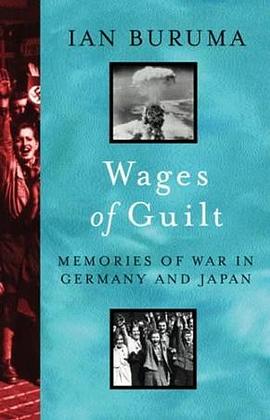
Why are Germans so well informed on World War II while most Japanese know almost nothing about it? Why do the majority of West Germans feel guilty, Japanese victimised, and 'Ossies' virtuous? Ian Buruma explores the causes of these varied attitudes, both in the past culture of each country and in their post-war treatment and other subsequent events, and looks at how they were or are manifested in museums and memorials, trials and textbooks. The result is a fascinating study of the many faces of events, studded with unexpected facts and rare insights.
著者簡介
伊恩·布魯瑪(Ian Buruma,1951— ),生於荷蘭海牙,先後在荷蘭和日本就學,曾於萊頓大學攻讀中國文學和曆史,後專注於研究日本。現任紐約巴德學院(Bard College)民主、人權與新聞Paul R.Williams教授,為《紐約時報書評》《紐約客》《金融時報》等多傢重要媒體撰寫評論。作品涉獵廣泛,最新著作有《零年:1945》《阿姆斯特丹的謀殺案》等。
個人網站:http://www.ianburuma.com/
圖書目錄
讀後感
基本上遇到德国部分我就有阅读障碍,不知是翻译原因,我本身理解问题还是作者的写作手法,看到德国部分我就云里雾里。大致读出来的印象就是,德国人唯恐把纳粹批判地不彻底,唯恐把纳粹当做人来看,因为仿佛这样就可以把他们从歌德席勒的德国里剥离出来。而日本的情况则不同,...
評分 評分作者用对照的手法描述了二战后作为曾经发动侵略战争,并分别犯下“屠犹”及“南京大屠杀”的德国和日本社会 人民对战争这段历史的看法及认知。并指出之所以有本质区别的原因在于:德国旧的政治体制的改革,而日本的天皇神道教崇拜并未改变。 作者也分析德国罪文化与日本耻文化的...
評分 評分用戶評價
相關圖書












本站所有內容均為互聯網搜索引擎提供的公開搜索信息,本站不存儲任何數據與內容,任何內容與數據均與本站無關,如有需要請聯繫相關搜索引擎包括但不限於百度,google,bing,sogou 等
© 2025 book.quotespace.org All Rights Reserved. 小美書屋 版权所有