

具体描述
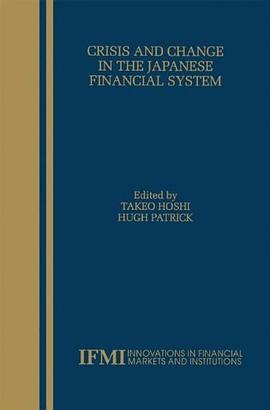
At the start of the twenty-first century, the Japanese financial system is undergoing a major transformation. This process is spurred by a sense of crisis. Dominated by large institutions, the Japanese banking system has suffered from serious problems with non-performing loans since the early 1990s, when the Japanese stock market and urban real estate market both crashed. Delays in responding to these twin asset bubbles, by both regulatory authorities and the banks themselves, made matters worse and led to a banking crisis in late 1997 and early 1998. Not anticipating this setback, in late 1996 the Japanese government inaugurated its Big Bang of comprehensive financial deregulation designed to complete the process of creating 'free, fair, and open financial markets'. Beginning in late 1998 and early 1999 the government finally embarked on a major rehabilitation of the Japanese banking system, including making available some Yen 60 trillion (approximately USD 500 billion) of government funds to recapitalize fifteen major banks, adequately fund the deposit insurance program, and write off the bad loans of nationalized or bankrupted banks. One result of this reform process is that the Ministry of Finance (MOF), which dominated Japanese financial system policy for most of the post-war period, has been stripped of most of its former regulatory powers. The purpose of this book is to describe, analyze, and evaluate the process that is transforming the Japanese financial system. The chapters address various issues relating to the transition of the Japanese financial system from a bank-centered and relationship-based system to a competitive market-based system. Questions taken up include: Why did Japanese banks get into such serious trouble? Why has the MOF lost its immense power? How will the Big Bang's financial deregulation further change the Japanese financial system, including the huge government financial institutions and postal savings system? What are some of the broader implications of this transition? The book is divided into three parts: Part I considers the origins of Japan's banking crisis; Part II focuses on five particularly important areas of major actual and potential changes; Part III addresses the effects of the Big Bang, including its potential systemic externalities. Taken together, this book offers an unusually up-to-date, comprehensive and thorough appraisal and evaluation of the profound changes occurring in Japan's financial system.
作者简介
目录信息
读后感
评分
评分
评分
评分
用户评价
初翻开这本著作,我的第一印象是它的学术严谨性达到了教科书级别,但叙事风格却丝毫没有因此显得枯燥。作者运用了大量的历史案例和定性分析,将那些晦涩难懂的金融衍生工具和监管漏洞,通过生动的“故事线”串联起来。特别是关于不良资产处置的章节,那简直是一部关于“时间管理”和“政治博弈”的史诗。他们如何利用法律的灰色地带,如何与政府部门进行漫长的拉锯战,每一步都充满了教科书式的教训。我特别留意到作者对“失去的十年”中,那些未能被充分讨论的社会成本的关注,那些被金融动荡所吞噬的中小企业和普通储户的命运,被作者赋予了应有的重量,使得冰冷的宏观分析拥有了人文关怀的底色。这种平衡感是极其难能可贵的,它提醒我们,金融体系的健康与否,最终反映的是整个社会结构的安全边际。阅读过程中,我多次停下来,查阅那些提及的早期经济学文献,试图从更底层的理论框架去支撑作者的论断,这无疑是一次极具智力挑战的阅读体验。
评分读完这本书,我感到自己像是经历了一次高强度的“思想体操”。作者的笔力雄厚,尤其是在处理那些涉及到法律、会计学和经济学交叉领域的概念时,他总能找到最简洁有力的表达方式,避免了不必要的专业术语堆砌,使得即便是跨专业背景的读者也能大致跟上思路。然而,正是这种清晰,反过来凸显了问题的严峻性。它没有回避那些令人不安的事实:即金融体系的稳定,在很大程度上依赖于少数几个人在危机时刻的判断和勇气。书中对“道德风险”的探讨是鞭辟入里的,它揭示了激励机制设计上的根本性缺陷,如何鼓励了短期投机行为,并最终将风险转移给了全社会。这本书不是那种读完后会让人心情愉悦的作品,它更像是一剂苦口良药,让你清醒地认识到经济运行的残酷性与脆弱性。它所提供的洞察力是持久的,足以重塑一个人对现代金融格局的理解框架。
评分这本书的语言风格是那种老派的、极其克制的专业评论,仿佛一位经验丰富的外科医生在进行手术记录,每一个词语的选择都经过了反复的斟酌,力求精确无误,但也因此带来了一种疏离的、近乎冷酷的客观性。它更像是一份详尽的“事故调查报告”,而非一本引人入胜的小说。当我阅读到关于跨境资本流动与国内货币政策冲突的部分时,那种强烈的“无力感”扑面而来——面对全球化的巨大惯性,即便是强大的国家机器,在某些关键时刻也显得鞭长莫及。作者并没有提供廉价的解决方案,而是冷静地陈述了局限性与权衡的代价。这对我而言是极大的启发,因为现实世界的复杂性往往不允许存在完美的“银弹”。它迫使我跳出非黑即白的二元对立思维,去接受在特定历史窗口期内,所有选择都必然伴随着某种形式的“次优解”。因此,这本书的价值不在于它是否提供了答案,而在于它完美地定义了问题的复杂边界。
评分这本书的结构组织简直是艺术品级别的精妙。它不是按照时间线索简单推进,而是采取了一种“螺旋上升”的分析模式:从宏观制度背景切入,然后深入到微观操作层面,再拔高到国际比较的视野,最后再回到底层逻辑的再审视。这种多维度的交叉剖析,使得任何试图抓住某个单一因素来解释危机的企图都成了徒劳。我感觉自己像是在一座巨大的图书馆中穿梭,每完成一个章节的阅读,都像是推开了一扇新的门,看到了同一现象在不同焦距下的面貌。尤其是它对监管机构内部权力分配和信息不对称的研究,简直是教科书级别的案例分析。那种不同部门之间因职能重叠而产生的摩擦和信息壁垒,是如何被金融精英们巧妙地利用,最终演变成系统性漏洞的,描述得入木三分。它不是在批评人,而是在剖析系统自身的“设计缺陷”,这种超脱的视角,让阅读体验充满了智力上的满足感。
评分这本书的叙事节奏如同驾驶一辆在蜿蜒山路上飞驰的跑车,紧凑而令人肾上腺素飙升。作者似乎对宏观经济的脉络有着异乎寻常的敏锐,将那些冰冷的数字和晦涩的政策文件,编织成了一张清晰可见的权力与利益交织的网络。我尤其欣赏它对关键决策者心理描摹的细腻,那种在高压环境下,权衡利弊、孤注一掷的挣扎感,被刻画得入木三分。读到关于泡沫破裂初期,各金融机构间互相推诿责任的那部分时,我仿佛能听到会议室里茶杯碰撞的清脆声响,以及那些压抑的叹息。它并没有停留于表面现象的罗列,而是深挖了结构性矛盾的根源,那种由长期僵化的体制和根深蒂固的文化所催生的惰性,是导致系统性风险爆发的真正温床。整本书的论证逻辑环环相扣,层层递进,如同一个精密布局的棋局,每一步棋的落下,都预示着后续不可避免的连锁反应。对于想要理解一个庞大经济体如何在自我修正的阵痛中蜕变,这本书无疑提供了一个极富洞察力的窗口,其深度和广度都远超一般性的财经读物。
评分 评分 评分 评分 评分相关图书















本站所有内容均为互联网搜索引擎提供的公开搜索信息,本站不存储任何数据与内容,任何内容与数据均与本站无关,如有需要请联系相关搜索引擎包括但不限于百度,google,bing,sogou 等
© 2026 book.quotespace.org All Rights Reserved. 小美书屋 版权所有