具体描述
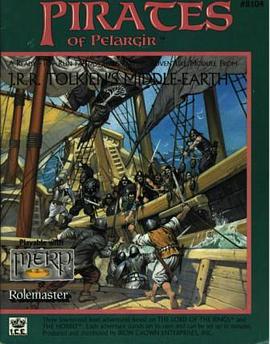
The Shadow of the North: A Chronicle of the Grey Havens and the Perilous Seas This volume delves into the rich and often treacherous tapestry of the northwestern reaches of Middle-earth, far removed from the immediate turmoil of Gondor or the shadowed forests of Mirkwood. It focuses intently on the maritime traditions, the hidden histories, and the lingering dangers that plague the coasts and islands nearest to the Grey Havens—a region often overlooked in the grander narratives of the Third Age, yet vital to the very survival and memory of the Eldar. Chapter I: The Whispers of Mithlond The initial section establishes the atmosphere surrounding the Elven havens. It is not merely a port; it is a threshold, a place burdened by ancient longing and quiet preparation. We explore the societal structure of the Eldar remaining in Lindon, detailing the differing philosophies between the Sindar who oversee the daily affairs and the scattered remnants of the Noldor who linger, awaiting the final summons. The Shipwrights of the Great Bay: An in-depth look at the meticulous craft of building the White Ships. This is not simply carpentry; it is an art infused with memory and magic, requiring rare woods gathered from forests long since diminished. Descriptions cover the specific alloys used for the helms, the treatment of the sails against the salt spray of the Sundering Seas, and the esoteric knowledge passed down regarding navigation by the stars visible only from the Western edge of the world. The Keepers of the Roads: Examination of the patrols that move along the coastlines bordering Arnor’s ruins, focusing on the delicate balance maintained between isolation and necessary defense against encroaching threats from the Iron Hills or the sea itself. We detail the symbolic importance of the beacons and the subtle signals used to communicate between the scattered watch-posts. The Lingering Shadow of Angmar’s Fall: While Angmar itself lies far to the east, its influence pollutes the waters. This chapter details how the spectral remnants of the Witch-king’s dominion sometimes manifest as unnatural fog banks, maddening whispers carried on the tide, or corrupted marine life that plagues the shallow fishing grounds used by the local Men. Chapter II: The Isles of the Outer Reaches The focus shifts outward, across the increasingly turbulent waters that separate Lindon from the true open ocean. This section maps out the lesser-known archipelagoes and rocky outcrops that dot the horizon, many of which hold secrets predating the awakening of the Elves. The Sunken Halls of Aethel: Legends speak of a chain of islands consumed by a catastrophic event long before the creation of Númenor. This chapter gathers fragmented lore concerning these submerged ruins. Through surviving marginalia in ancient texts housed near the Tower of Grey Havens, we piece together tales of strange, semi-aquatic beings that sometimes surface near these spots, driven mad by isolation and the pressure of the depths. Their appearances are sporadic but invariably lead to ill fortune for any vessel that ventures too close. The Isle of the Watchful Stone (Undisclosed Location): A remote, fog-shrouded island rumored to possess a natural geological formation that subtly interferes with both magical and mundane navigation. Mariners who rely too heavily on instruments or instinct often find themselves trapped in endless circular routes. We investigate accounts of previous, failed colonization attempts by hardy Northmen—tales of paranoia, dwindling supplies, and an overwhelming sense of being observed by something ancient and indifferent. The Sea-Lanes of the Merchants: Despite the pervasive melancholy of the Elves, trade continues—albeit cautiously. This details the necessary alliances and uneasy truce established with the seafaring traditions of the northern coastal settlements of Eriador (those remnants of Arthedain that still dared to fish). It outlines the specific tariffs demanded by the Elves for passage clearance, often paid not in gold, but in meticulously preserved historical records or rare terrestrial herbs unavailable by the sea. Chapter III: Encounters on the Salt Roads The sea is never empty. This chronicle documents the distinct perils faced by those traversing the waters north of the Gulf of Lune. The Corsair Fleets of the Bay of Forochel: While the main threat to Middle-earth comes from the East, the far North breeds its own vicious breed of brigands. These are often hardy, desperate Men—descendants of exiles or refugees from the earliest ages—who have adapted to the extreme cold and utilize swift, shallow-drafted longships. Their tactics are swift, brutal, and aimed primarily at securing fresh supplies, capable sailors, and sometimes, even captured Elven artifacts. Detailed tactical analysis of their typical attack patterns against larger, slower Elven transport vessels is provided, highlighting the surprising effectiveness of coordinated ramming tactics against the more elegant, slender hulls. The Deep Horrors: Beyond the reach of the shallow-water patrols lie creatures untouched by the light of the Two Trees. Accounts are drawn from the few sailors who have been rescued after encounters with beings that seem to be the corrupted spawn of the ancient seas. These descriptions emphasize unnatural bioluminescence, crushing pressure capabilities, and an utter lack of recognizable intelligence—a terrifying emptiness that suggests a primordial evil lurking beneath the waves, perhaps stirred by the slow corruption spreading from Utumno’s long-forgotten influence. The Matter of the Ghost Ships: One of the most persistent nautical legends concerns vessels that appear without crews, often bearing cargoes that make no earthly sense: perfectly preserved flowers from regions far to the south, or timbers seasoned in woods that no longer exist. These phantom ships are usually harbingers of immediate disaster for the observer, leading to navigational errors or sudden, inexplicable structural failures in the observer’s own vessel. The text posits that these are perhaps the residual echoes of the ships that failed to make the final voyage West, trapped in a perpetual state of transit. Chapter IV: The Boundaries of Memory The final section returns to the philosophical implications of life near the edge of the known world. It examines how the constant presence of the ocean—the pathway to the Undying Lands—affects the morale and spiritual state of the inhabitants. The Rituals of Letting Go: Descriptions of the private ceremonies held by the Elves of the Havens as they prepare those who finally choose to depart. This is contrasted sharply with the customs of the few hardy Human coastal dwellers who maintain ancient rites intended to appease the sea spirits, hoping for a safe passage for their own fishing boats, rituals that the Elves view with a mixture of pity and detached fascination. Mapping the Unmappable: A discussion on the cartographical challenges of the region. The Elves keep precise charts, but these are constantly updated due to shifting sands, submarine volcanic activity in the deep trenches, and the unpredictable nature of the magical currents that sometimes sweep down from the far North. The value of a living, experienced navigator over any static map in these waters is stressed as the ultimate lesson of the Western Sea. This compilation serves as an essential guide for understanding the vital, yet fragile, nexus point where the known world of Middle-earth meets the vast, eternal mystery of the Sundering Seas, detailing dangers both mortal and ancient that thrive in the perpetual twilight of the Northern coasts.