
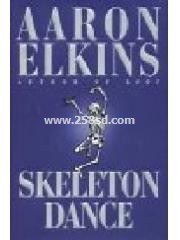

具体描述
Amazon.com Forensic anthropologist Gideon Oliver and his wife Julie have planned a relaxing four-week European jaunt that will allow Gideon to collect material for his upcoming book. But when a local dog digs up some very tasty--and very modern--human bones at a prehistoric site in the French Dordogne, Gideon gets a call for deductive assistance from old friend Inspector Lucien Joly. It appears that the bones are connected to the Institut de Préhistoire, epicenter of the academic debate on the proper place of Neanderthals in the progression of human evolution. Years ago, the Institut's director, Ely Carpenter, found startling archaeological evidence that Neanderthal Man was a sensitive being with an appreciation of beauty and art: when that evidence was exposed as a fraud, Carpenter committed suicide. Or did he? These days, the remaining members of the Institut are still at dagger's (or perhaps Middle Paleolithic Acheulian cordiform hand ax's) edge. Half of them argue for the Neanderthals as card-carrying Homo sapiens, and the other half want to fling them from the family tree altogether. The academic debate is vicious, indeed--but when more bodies start to appear, Gideon must dig deep into layers of personal animosity and professional rivalry to determine which of his anthropological colleagues has more than a monograph at stake. Aaron Elkins is the author of a number of Gideon Oliver mysteries, including the Edgar Award-winning Old Bones. It is a tribute to his skill that the dusty fragments of bone at the heart of this latest outing will capture his readers' interest, and that the ramifications of a scientific dispute seem the perfect motive for murder. Skeleton Dance carries as well all the touches that have made his previous novels successful: a genial protagonist who wavers between sharp-eyed precision and absent-minded obliviousness; an assortment of well-drawn minor characters (though their foibles may be sketched a bit too broadly, as Elkins stretches for a touch of humor); and a cozy evocation of local atmosphere. If the music of Skeleton Dance is a tune we've heard before, and the steps are a trifle well-worn, it doesn't really matter; Elkins is such a skilled partner that we'll find ourselves tapping our feet and turning the pages in easy rhythm. --Kelly Flynn From Publishers Weekly Academic infighting, at once comically petty and deadly serious, is the subject of Elkins's terrific follow-up to Old Bones, winner of the 1988 Edgar Award for best novel. This time, celebrated Seattle "skeleton detective" Gideon Oliver travels to the quaint French village of Les Eyzies to aid police in the identification of some human bones. At first, the bones were thought to be prehistoric fossils, common enough in a town famous for its Paleolithic caves and the world-class Institut de Pr?histoire. But closer examination reveals the deceased to have been murdered sometime within the past five years, possibly by someone linked to the institute. Gideon, now on sabbatical leave from his professorship to write a book on scientific bloopers, begins interviewing the institute's five French and American members about a notorious archeological hoax perpetrated by the former director, elusive American Ely Carpenter. The more Gideon learns about the hoax, the more he's convinced of a connection to the unidentified bones. When Gideon is attacked and the bones stolen, it's clear that one of the five scientists is responsible--probably for murder, as well. Every suspect is a full-blown comic creation capable of surprise, from the absent-minded Jacques Beaupierre, who crosses the street "somewhat in the manner of a soft-bodied sea creature undulating over the ocean floor," to the pompous ?mile Grize, who affects bow ties depicting "egg yolks exploding in a microwave oven." Mischievous wit, fascinating erudition, juicy (but never mean-spirited) academic gossip and a gorgeous setting redolent with Gitanes and goose liver combine to make this mystery an especially delectable treat. Copyright 2000 Reed Business Information, Inc. See all Editorial Reviews
作者简介
目录信息
读后感
评分
评分
评分
评分
用户评价
角色塑造方面,我必须给予高度评价。这里的每个人物都不是扁平化的符号,他们拥有着复杂到令人心碎的灰色地带。我尤其欣赏作者对‘反派’的刻画,他们并非脸谱化的邪恶,每一个看似残忍的决定背后,似乎都能找到逻辑自洽的、甚至是可悲的动因。让我印象深刻的是那个总是站在阴影里的配角,他出场不多,但每一次开口说话,都像是在进行一场精妙的哲学辩论,他的台词密度极高,充满了双关和隐喻,我甚至需要停下来,在脑海中反复咀嚼才能真正领会其深意。这种层次感意味着,这本书不仅仅是关于‘发生了什么’,更重要的是关于‘为什么会发生’以及‘我们如何看待这些发生’。读完后,我感觉自己仿佛认识了几个活生生的、有血有肉的朋友,尽管他们的选择令人不解,但那种真实感是毋庸置疑的。
评分文字功底方面,这本书展现了一种近乎诗意的克制美学。作者的遣词造句非常讲究,没有过多华丽的辞藻堆砌,但每一个动词和形容词的选择都精准地击中了靶心。我注意到一些自然景色的描写,比如对光线穿过尘埃的描绘,那种氛围的营造极其到位,仿佛空气中都弥漫着特定的气味和温度。这种精确的感官捕捉,极大地增强了沉浸感。更妙的是,作者偶尔会插入一些看似突兀却又恰到好处的哲学思辨,这些思考的片段往往被巧妙地嵌入到对话或内心独白中,使得故事的深度得以瞬间拔高。这种语言的张力,使得阅读过程既是一种享受,也是一种智力上的挑战,你必须保持专注,才能不遗漏那些隐藏在字里行间的微妙线索和作者的独特洞察。
评分从主题的探讨深度来看,这本书远远超出了一个普通故事的范畴,它触及了一些关于人类存在本质的永恒命题。我能感受到其中蕴含着对时间、记忆乃至宿命论的深刻反思。它并没有提供简单的答案或和稀泥的结论,而是将这些沉重的问题赤裸裸地抛到读者面前,迫使我们直视那些不愿面对的真相。这种开放式的结局处理方式,极大地拓宽了作品的解释空间,也让这本书在合上之后依然能在我的脑海中持续发酵。不同的时间重读某一个章节,我可能会得出完全不同的解读,这正是优秀文学作品的标志——它不是一个被封闭的容器,而是一个无限延伸的对话场域。它让你在离开故事很久之后,依然会时不时地想起某个场景或某句台词,并引发新一轮的自我审视。
评分这本书的叙事节奏处理得极其老道,它不像某些作品那样急于求成,而是像一位技艺精湛的指挥家,懂得何时该加快鼓点,何时又该让大提琴缓缓奏出悠长的旋律。开篇部分,作者似乎故意设置了一些看似无关紧要的日常片段,但通过这些细碎的描写,人物的性格轮廓却在不经意间被勾勒得栩栩如生,那种潜藏在平静表象下的暗流涌动,让人忍不住想去探究这平静之下究竟隐藏着怎样的秘密。随着情节的推进,紧张感的铺陈是渐进式的,它不会用突兀的转折来制造廉价的震惊,而是通过对人物心理活动的细腻刻画,让读者自然而然地感受到压力的升级。特别是当某些关键信息被一点点剥开时,那种恍然大悟的快感,远比直接告知真相来得更加令人满足和回味无穷。
评分这本书的封面设计简直就是一场视觉盛宴,色彩的运用大胆而又精准,那种深邃的暗色调与偶尔跳脱出来的鲜亮元素形成了强烈的对比,一下子就抓住了我的眼球。我把书放在桌面上,即便是闭着眼睛,也能想象出那种神秘又引人入胜的气氛。而且,装帧的质感非常棒,拿在手里沉甸甸的,透露出一种沉稳和厚重感,让人觉得这绝不是一本可以随便翻阅的小册子,而是需要静下心来细细品味的佳作。我尤其喜欢封面上那种略带涂鸦感的字体排版,仿佛作者在创作之初,就将某种原始的、近乎狂野的冲动倾泻在了这些文字之上。每一次拿起它,都像是在进行一个小型而庄重的仪式,预示着即将开启一段不同寻常的阅读旅程。这种对外部细节的极致追求,让我对内部的内容充满了无限的遐想和期待,它成功地在第一时间就将我拉入了一种特定的心境之中,准备好接受任何形式的冲击或惊喜。
评分 评分 评分 评分 评分相关图书












本站所有内容均为互联网搜索引擎提供的公开搜索信息,本站不存储任何数据与内容,任何内容与数据均与本站无关,如有需要请联系相关搜索引擎包括但不限于百度,google,bing,sogou 等
© 2026 book.quotespace.org All Rights Reserved. 小美书屋 版权所有