具体描述
~I/"~ountry" means different things to different people. It is comfort-<br > ~,able, simple, not too sophisticated, compatible in the eclectic<br >sense with almost any style, reminiscent, retrospective, from the heart!<br >Perhaps most importantly, it is a tangible link with our past.<br > Just as beauty is in the eye of the beholder, so too is country.<br >Because it is so subjective, a description of my interpretation should<br >help define this book. There are several kinds of country in decorating<br >circles. In general, this book will delve into what I call "Prairie country"<br >or "turn-of-the-century" more primitive country feelings. Darker colors<br >are prevalent, simple trims, lots of muslin, smaller prints, etc. Twig<br >furniture, homespun and woven coverlets stenciling, simple furniture<br >with milk paint colors, baskets, hooked rugs, and folk art items all<br >belong to this look. My favorite kind of country has definite historic<br >references. Many people who decorate in this style enioy mixing their<br > handmade craft items with actual antiques or, next best, authentic<br > reproductions.<br > I admit to being greatly influenced by all of the Laura lngalls Wilder<br > books. When I was in the fourth and fifth grades, my teacher read aloud<br > after lunch each day. She selected the first book, Little House in the Big<br > Woods, but we were fascinated and eager to follow as Laura and her<br > family went on to The Little House on the Prairie and The Banks of<br > Plum Creek. In fact, we wrote letters to Laura lngalls Wilder, who was<br > then living in Missouri, a neighboring state. Before long, my teacher<br > was corresponding regularly and calling this famous author by her first<br > name. "I got a letter from Laura today," she would say. We were so<br > impressed. Laura, undoubtedly, was a role model before we even knew<br > what that phrase meant.<br > Many motifs or items have become almost symbolic of country--<br > synonymous symbols you might say. Things like quilts, Americana and<br > patriotic items, sewing accessories, teddy bears, dolls and their a~ces-<br > sories, old tools and cooking utensils, baskets and braided rugs, and,<br >
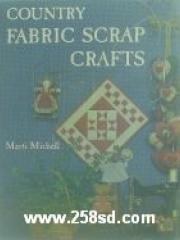
Country Fabrics Scrap Crafts: A Journey into Reimagined Textiles Imagine a world where discarded fabric scraps, once destined for the landfill, are given a vibrant new lease on life. This is the realm explored within Country Fabrics Scrap Crafts, a testament to the beauty and boundless potential of repurposed textiles. This isn't a book that simply teaches you how to sew a basic quilt; it delves deep into the heart of creativity, transforming humble remnants into functional art and cherished keepsakes. It’s an invitation to a slower, more mindful way of crafting, one that celebrates tradition, ingenuity, and the inherent charm of natural fibers. At its core, Country Fabrics Scrap Crafts is about more than just stitches and patterns. It’s about embracing a philosophy of resourceful creation, a practice that resonates with an enduring appreciation for the past and a keen eye for the present. The book guides you through a series of projects that harness the unique character of country fabrics – think worn calicos, faded ginghams, and soft, well-loved cottons. These aren’t pristine, factory-fresh materials; they carry the whispers of stories, the patina of time, and a warmth that synthetic fabrics can only dream of emulating. The tactile experience of working with these fabrics is a crucial element, and the book emphasizes the sensory pleasure derived from their texture, weight, and subtle imperfections. The initial chapters lay a foundational understanding of working with fabric scraps. This goes beyond simple cutting; it encompasses understanding fabric types, their drape, and how different weaves behave when layered or manipulated. You’ll learn about the art of “reading” your scraps, identifying their potential based on their existing patterns, colors, and even slight wear. The book encourages an intuitive approach, moving away from rigid instructions and towards fostering a personal connection with each piece of fabric. It’s about recognizing that a small, faded floral square might be the perfect accent for a larger, more robust plaid piece, creating a dialogue between the elements. One of the book's strengths lies in its diverse project offerings. They range from the elegantly simple to the intriguingly complex, ensuring that crafters of all skill levels can find inspiration and satisfaction. You might begin with a collection of small, whimsical pouches, perfect for organizing trinkets or gifting to loved ones. These projects often involve minimal cutting and can utilize even the tiniest of fabric remnants, teaching valuable lessons in maximizing every precious scrap. The book provides clear, step-by-step instructions, accompanied by beautiful, detailed photography that showcases the finished product in its full glory, as well as close-ups of key techniques. Moving beyond small accessories, the book then explores larger, more substantial creations. Imagine crafting a unique patchwork tote bag, where each panel tells a visual story through its meticulously chosen fabric combination. The emphasis here is on balance and harmony, creating a cohesive whole from disparate parts. The instructions will guide you through the process of piecing, ensuring strong seams and a durable finish, but always with an eye towards aesthetic appeal. You’ll learn how to strategically place colors and patterns to create visual interest, perhaps using a bold floral as a focal point against a backdrop of subtle stripes. The concept of "scrap" is interpreted broadly and creatively. It’s not just about pre-cut pieces. You’ll discover methods for transforming larger fabric pieces that might have been deemed unusable due to stains or damage, creatively working around these imperfections. This might involve appliqué techniques, where sections of fabric are layered and stitched onto a larger base, allowing you to salvage beautiful patterns or textures. Or perhaps it's about deconstructing old garments – the worn denim of a favorite pair of jeans, the soft cotton of a beloved shirt – and repurposing these fibers into something entirely new. The book celebrates this act of “unmaking” to “remake,” a deeply satisfying and sustainable form of crafting. The projects extend into home décor, breathing character and warmth into your living spaces. Think of charming fabric coasters, each a miniature masterpiece of patchwork. Or perhaps a collection of decorative cushions, their covers a symphony of varied country fabrics, adding a cozy, rustic touch to your sofa. The book might introduce techniques for creating fabric wall art, where carefully arranged scraps form abstract designs or representational scenes. These aren't just utilitarian items; they are conversation starters, pieces that reflect your personal style and your commitment to sustainable living. Furthermore, Country Fabrics Scrap Crafts delves into the art of embellishment, elevating simple fabric constructions into truly special creations. This could involve embroidery, where hand-stitched details add texture and personality. You’ll learn simple stitches like running stitch, backstitch, and French knots, and how to use them to outline motifs, add decorative borders, or create small, intricate designs. The book might also explore the use of beads, buttons, and other found objects, encouraging you to look for unique additions that complement the fabric’s character. A vintage button found at a flea market, for instance, can become the perfect finishing touch for a fabric flower. The emphasis on “country” fabrics is not just about aesthetics; it’s about a connection to a certain lifestyle, a feeling of simplicity and connection to nature. This sentiment is woven throughout the book’s narrative. The projects might draw inspiration from natural motifs – leaves, flowers, birds – and the color palettes often lean towards earthy tones, muted blues, and soft greens, evoking the landscapes and flora of the countryside. The instructions often encourage a relaxed, unhurried approach to crafting, mirroring the pace of country living. Country Fabrics Scrap Crafts also encourages experimentation and personalization. While it provides a wealth of project ideas and techniques, it also empowers the reader to deviate, to combine different methods, and to develop their own unique style. The book might offer suggestions for variations on a theme, encouraging you to swap out fabrics, alter dimensions, or add your own personal flair. This is not about blindly following instructions; it’s about understanding the underlying principles of design and construction and applying them with your own creative vision. Beyond the tangible creations, the book fosters a sense of community and shared passion. It speaks to the joy of giving handmade gifts, knowing that each stitch carries a piece of your time and care. It champions the idea of preserving traditional craft techniques while adapting them for contemporary life. It’s a reminder that beauty can be found in the imperfect, the worn, and the repurposed. In essence, Country Fabrics Scrap Crafts is more than just a collection of DIY projects; it’s a philosophy, an invitation to slow down, to connect with materials, and to create beauty from unexpected sources. It’s a celebration of resourcefulness, a nod to tradition, and a testament to the enduring power of fabric to tell stories and bring joy. It’s a book for anyone who believes that the most meaningful creations often come from the simplest beginnings, and that a pile of fabric scraps holds infinite possibilities, waiting to be awakened by imagination and skillful hands. It's an exploration of how to transform what might be discarded into something deeply cherished, weaving a tapestry of creativity, sustainability, and personal expression.