具体描述
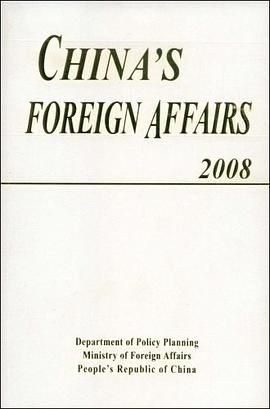
《中国外际2008》由外交部各地区业务司撰稿、外交部政策研究司主编、世界知识出版社出版,自1987年以来每年出版一卷,向国内外公开发行。该书旨在比较准确地阐述中国的外交政策和中国对国际形势的最新看法,较为系统、完整地介绍中国上一年度外交关系状况,增进国内外人士对中国外交工作的了解。
A Year of Shifting Sands: China's Diplomacy in 2008 The year 2008 presented a complex and dynamic landscape for China's foreign policy, a period marked by both unprecedented opportunities and significant challenges. This volume delves into the intricacies of China's diplomatic maneuvers throughout that pivotal year, exploring the strategies, decisions, and outcomes that shaped its global standing. From the exhilarating highs of hosting the Olympic Games to the sobering realities of global financial turmoil, 2008 was a year that demanded astute and adaptable diplomacy from Beijing. The centerpiece of China's international engagement in 2008 was undoubtedly the Beijing Olympics. More than just a sporting event, the Games served as a powerful platform for China to showcase its modernization, its economic prowess, and its increasing integration into the global community. This book examines the extensive diplomatic efforts undertaken to ensure the successful staging of the Games, including delicate negotiations with international sporting bodies, the management of public image, and the navigation of sensitive political issues that arose in the lead-up and during the event. It analyzes how China leveraged the Olympics to foster goodwill, enhance its soft power, and project an image of a responsible and engaged global stakeholder. Beyond the celebratory atmosphere of the Olympics, 2008 was also a year where China faced significant external pressures and responsibilities. The global financial crisis, which began to intensify in the latter half of the year, presented a new set of diplomatic challenges. This volume explores China's evolving role in global economic governance, its contributions to international efforts to stabilize the financial markets, and the impact of the crisis on its own economic trajectory and its bilateral relationships. It scrutinizes the delicate balancing act China performed, seeking to protect its own economic interests while also demonstrating a commitment to global economic stability and cooperation. The book also dedicates considerable attention to China's ongoing engagement with its neighbors and its expanding influence in multilateral institutions. It analyzes the progress and complexities of China's relationships with key regional players, examining the delicate dance of economic cooperation, territorial disputes, and security concerns that defined these interactions. Furthermore, it assesses China's growing assertiveness and influence within organizations like the United Nations, the World Trade Organization, and regional forums, exploring how Beijing sought to shape international norms and agendas. A significant portion of the analysis is devoted to China's approach to major global issues. The book investigates China's contributions to addressing climate change, its role in international peacekeeping operations, and its engagement with issues of global health and development. It seeks to understand the motivations behind China's policy choices in these areas, examining the interplay of national interests, international commitments, and evolving perceptions of global responsibility. The volume further explores the multifaceted nature of China's public diplomacy in 2008. It examines how China sought to communicate its policies and perspectives to a global audience, the challenges it faced in shaping international narratives, and the impact of emerging media technologies on its diplomatic outreach. This includes an analysis of how China navigated international media scrutiny, particularly in the context of the Olympics and other high-profile events. In addition to these broad themes, this book delves into specific diplomatic initiatives and crises that punctuated the year. It may include case studies of significant bilateral engagements, analyses of China's responses to international conflicts or humanitarian emergencies, and examinations of its evolving approach to international law and norms. Ultimately, A Year of Shifting Sands offers a comprehensive and nuanced examination of China's diplomatic endeavors in 2008. It moves beyond simplistic interpretations to provide a detailed account of the strategic thinking, the policy adjustments, and the consequential decisions that characterized China's engagement with the world during a year of profound global transformation. The book aims to equip readers with a deeper understanding of the forces that shaped China's foreign policy in 2008 and the implications for its continued rise on the international stage.