

具体描述
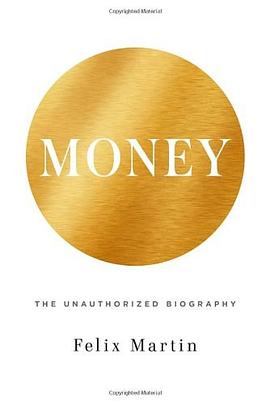
From ancient currency to Adam Smith, from the gold standard to shadow banking and the Great Recession: a sweeping historical epic that traces the development and evolution of one of humankind’s greatest inventions.
What is money, and how does it work? In this tour de force of political, cultural and economic history, Felix Martin challenges nothing less than our conventional understanding of money. He describes how the Western idea of money emerged from interactions between Mesopotamia and ancient Greece and was shaped over the centuries by tensions between sovereigns and the emerging middle classes. He explores the extraordinary diversity of the world’s monetary systems, from the Pacific island of Yap, where value was once measured by immovable stones, to the currency of today that exists solely on globally connected computer screens. Martin shows that money has always been a deeply political instrument, and that it is our failure to remember this that led to the crisis in our financial system and so to the Great Recession. He concludes with practical solutions to our current pressing, money-based problems.
Money skips nimbly among such far-ranging topics as John Locke’s disastrous excursion into economic policy, Montesquieu’s faith in finance to discipline the power of kings, the social organization of ancient Sparta and the Soviet Union’s ill-fated attempt to abolish money and banking altogether. Throughout, Martin makes vivid sense of a chaotic and sometimes incoherent system—the everyday currency that we all share—in the clearest and most stimulating terms. This is a magisterial work of history and economics, with profound implications for the world today.
作者简介
Felix Martin was educated in Britain, Italy and the United States and holds degrees in classics, international relations and economics, including a doctorate in economics from Oxford University. He worked for the World Bank and for the European Stability Initiative think tank, and is currently a partner in the fixed income division at Liontrust Asset Management plc. He lives in London.
目录信息
读后感
19世纪末开始,大批美国人、德国人、英国人在美索不达米亚平原挖掘出大量古人类定居遗址。除了宏伟的雕像和精致的珠宝,还发现了一种神秘的小泥丸。这些黏土制的泥球形状各异,有三角体,有圆锥体,这些东西一直被以为是孩童的玩具或是通便药物被归于“未知用途物品”栏中存档...
评分读了菲利克斯•马汀的《货币野史》,受益匪浅。先说说Felix Martin其人, 他是一个很有想法的英国人,也是一个很有趣的人。Felix Martin是牛津大学经济学博士,曾在英国、意大利以及美国求学,拥有古典学、国际关系以及经济学等多个学位,除了渊博的知识之外,他还很...
评分除了经济学家以外,人人都知道“钱”意味着什么;就算是经济学家,他也能照本宣科地说个一二。 ——引子 日常生活离不开钱,我...
评分19世纪末开始,大批美国人、德国人、英国人在美索不达米亚平原挖掘出大量古人类定居遗址。除了宏伟的雕像和精致的珠宝,还发现了一种神秘的小泥丸。这些黏土制的泥球形状各异,有三角体,有圆锥体,这些东西一直被以为是孩童的玩具或是通便药物被归于“未知用途物品”栏中存档...
评分在都市喜剧《爱情公寓》里有这样的情节:强势的“御姐”胡一菲有一天幻想自己成了一个“分分钟几千万上下”的金融操盘手,每天都活在紧张的节奏里,生怕自己某一刻的怠慢就会造成一场波及全球的金融风暴……不料又一天,因为生活节奏太过紧绷,她晕倒了,结果等到她醒过来,...
用户评价
《Money》这本书,它给我的感觉就像是在探索一个巨大的迷宫,每一步都充满未知,但每一步也都在引领我走向更深的理解。我拿到这本书的时候,内心是充满好奇的,因为“Money”这个词,在我们生活中扮演的角色如此重要,却又常常被人们以一种片面的方式来理解。这本书并没有直接给我“如何赚钱”的攻略,而是引领我进行了一次关于“金钱的本质”的深度探索。作者从金钱的起源讲起,将它与人类文明的演进、社会结构的形成,以及我们个人的心理活动紧密地联系起来。我记得书中对于“价值”的探讨,让我深受启发。我们如何判断一件物品的价值?这种价值是如何被社会共识所塑造的?作者通过大量的历史案例和社会现象,展现了价值体系的形成过程,这让我开始反思,我所追求的“财富”,是否真正代表了我内心的需求,还是仅仅被外在的价值标准所定义。书中对“信任”在金钱体系中的作用的论述,也让我大开眼界。没有人们之间的基本信任,货币就无法流通,经济活动也就无从谈起。这让我意识到,我们与金融体系的互动,原来是建立在如此微妙而又至关重要的“信任”基础之上。我尤其欣赏作者在探讨“欲望”与“金钱”的关系时所展现出的深刻洞察。正是因为资源的稀缺,我们对金钱的渴望才如此强烈。而对金钱的渴望,又催生了更多的欲望,形成了一个复杂的循环。这本书的语言风格非常吸引人,它没有生硬的理论,也没有枯燥的数据,而是充满了故事性和人情味。作者常常会穿插一些他个人的经历,或者引用一些引人深思的文学片段,来阐释他的观点。这使得阅读过程非常流畅,仿佛是在听一位睿智的朋友分享他的人生感悟。它没有给我具体的“操作指南”,但它给了我一种思考金钱的“新工具”,一种看待世界和看待自己的“新角度”。读完这本书,我并没有觉得自己立刻变得“更有钱”,但我确信,我在理解金钱的本质,理解我与金钱的关系,以及理解如何才能过上一种更有意义的生活方面,已经走上了新的道路。
评分《Money》这本书,嗯,怎么说呢,它给我的感觉就像是在一个迷宫里摸索,一开始可能觉得前路茫茫,但随着一点点深入,你会发现每条岔路都通往不同的风景。这本书并不是那种给你一张地图,告诉你“直走,左转,你就找到宝藏了”的书。它更多的是在描绘迷宫本身,描述那些构成迷宫的墙壁,那些隐藏在角落里的暗道,以及在迷宫中行走的各种各样的人。我记得我翻开它的时候,满脑子想着的是如何提高我的财务自由度,如何让我的资产增值。但这本书显然有更宏大的目标。它开始讲述金钱的历史,不是那种枯燥的经济史,而是将金钱与人类文明的演进紧密联系起来,比如它如何影响了贸易,如何催生了社会阶层,甚至如何塑造了我们的思维方式。我以前很少去想,我们之所以对某些东西产生“价值”的认同,很大程度上是因为我们共同认可了某种货币的交换属性。这本书让我开始审视,我所拥有的“价值”,究竟是什么?它真的是我所追求的吗?作者在书中引用了大量的历史事件、哲学观点,甚至是一些文学作品中的例子,来佐证他的论点。这使得阅读过程变得非常丰富,就像是在进行一场跨学科的知识盛宴。我尤其喜欢作者对“信任”在金钱体系中扮演角色的论述。没有信任,货币就无法流通,金融市场也就无法运转。这让我重新思考,我们与银行、与投资机构,甚至与整个经济系统之间的关系,原来是建立在如此脆弱而又至关重要的“信任”基础之上。这本书也探讨了金钱对人际关系的影响,以及当个人财富发生剧烈变化时,人们内心的挣扎与转变。这些故事,有时令人心酸,有时又发人深省,让我看到了金钱背后更深层的人性。它没有提供简单的解药,而是提供了一系列的观察和反思,让你自己去找到属于你的答案。我曾经对“财富”有着很单一的定义,但这本书让我明白,财富的形式是多样的,它不仅仅是银行账户里的数字,还包括知识、经验、人脉,甚至是你内心的平和。它鼓励我重新定义“富有”,而不仅仅是物质上的富足。读完这本书,我发现自己不再那么焦虑于“赚多少钱”,而是开始更多地关注“我为何而活”,以及“我所创造的价值”是什么。这种转变,对我来说,比任何赚钱技巧都来得重要。
评分《Money》这本书,与其说是一本关于金钱的书,不如说是一本关于人性的深刻剖析。我拿到这本书时,内心是怀揣着一种复杂的情绪的。一方面,我渴望从中获得关于财富增长的实用建议,希望它能指点我如何在财务上取得更大的成功。但另一方面,我又隐隐感觉到,这本书可能触及的,远不止于冰冷的数字和市场的波动。果不其然,当我深入阅读时,我发现作者并非在教授我“如何致富”,而是引导我去探索“我们为何对金钱如此着迷”。这本书像一面镜子,照出了我内心深处对金钱的种种欲望、恐惧和渴望。作者通过大量的历史案例、社会现象和心理学洞察,揭示了金钱在人类社会中扮演的多重角色:它是权力、是自由、是安全感,但也可能是贪婪、是枷锁、是迷失。我印象最深的是书中关于“价值”的讨论。我们如何衡量事物的价值?为什么有些东西会被赋予极高的金钱价值,而有些珍贵的东西却几乎不被市场认可?这促使我开始反思,我所追求的“财富”是否真的具有长久的意义,或者我只是被某种社会普遍认同的金钱标准所裹挟。这本书的叙事方式非常有感染力,作者并不回避探讨那些令人不适的真相,比如贫富差距的根源,金钱对人际关系的腐蚀,以及追求财富过程中可能付出的巨大代价。他用一种近乎哲学家的视角,将我们置于一个更宏大的框架下审视金钱与生活的关系。我尤其欣赏作者对“期望”与“现实”之间差距的分析。我们对金钱的期望常常是无限的,而现实却总是有其局限性。这种错位,导致了无数的焦虑和失望。这本书并没有试图填补这种差距,而是帮助我理解这种差距的由来,并提供了一种更平和的心态去面对它。它让我意识到,真正的“富有”,并非仅仅是银行账户里的数字,而是内心的丰盈、对他人的关怀,以及对生命意义的深刻体验。这本书不是一本速成的指南,而是一次心灵的旅程。它挑战了我固有的金钱观,让我开始思考,我真正需要的是什么,以及我愿意为之付出什么。读完这本书,我并没有觉得自己成为了一个“百万富翁”,但我确信,我在精神层面上,已经变得更加富有。
评分《Money》这本书,给我的第一感觉是,它不像一本教你“如何赚大钱”的工具书,更像是一次深入人心的对话,一个关于我们与金钱之间复杂关系的哲学探索。我拿到它的时候,其实心里有过一丝丝的“功利心”,想着这本书会不会给我一些立竿见影的财务增值策略。但随着我一页页地翻阅,我发现它的野心远不止于此。作者以一种非常细腻和富有洞察力的方式,剖析了金钱在我们生活中的方方面面,以及它如何潜移默化地塑造着我们的思维、行为和情感。我记得其中一个章节,深入探讨了“安全感”与金钱的关系。作者指出,我们对金钱的追求,很大程度上源于对未来的不确定性和对失控的恐惧。我们试图通过积累财富来获得一种掌控感,一种抵御风险的能力。这让我开始反思,我自己的金钱观,有多少是出于真正的需求,又有多少是源于这种对“安全感”的渴望。书中的语言风格也非常吸引人,它没有生硬的数据堆砌,也没有枯燥的理论阐述,而是充满了故事性和人情味。作者常常会穿插一些他个人的经历,或者引用一些引人深思的文学片段,来阐释他的观点。这使得阅读过程非常流畅,仿佛是在听一位睿智的朋友分享他的人生感悟。我尤其欣赏书中对“价值”的多元化解读。我们往往习惯于用金钱来衡量一切的价值,但这本书挑战了这种单一的视角。它提出,有些价值是无法用金钱衡量的,比如时间、健康、人际关系,以及内心的平和。这让我开始重新审视,我是否过于看重物质财富,而忽略了生命中那些真正重要但无形的东西。这本书并没有给我关于“如何快速致富”的秘诀,但它给了我一种更深刻的理解——理解金钱的本质,理解我们与金钱的关系,以及理解如何才能真正实现一种有意义的“富足”。它鼓励我跳出“赚钱”的思维模式,去思考“为何而赚钱”,以及“如何让金钱服务于我的人生目标”。读完这本书,我并没有觉得自己立刻变得更有钱,但我确信,我对于金钱的理解,已经发生了质的飞跃。我学会了用一种更平和、更审慎的心态去面对金钱,也学会了去发现生活中那些隐藏在金钱之外的财富。
评分《Money》这本书,它给我的感觉就像是在参与一场关于“价值”的深度对话。我拿到它的时候,其实是带着一种好奇又略带迷茫的心情。毕竟,“Money”这个词,在我们生活中扮演着如此重要的角色,却又常常被人们以一种简单化、甚至功利化的方式来理解。这本书并没有给我一堆关于如何“赚钱”、“投资”、“理财”的技巧,它的格局显然要宏大得多。作者仿佛是一位考古学家,耐心地挖掘金钱在人类文明中的层层脉络,从它最初的形态,到如今复杂多变的金融体系,再到它对我们个体心理和行为的深刻影响。我记得其中一章,详细探讨了“信任”在金钱体系中的关键作用。没有人们之间的基本信任,货币就无法流通,经济活动也就无从谈起。这让我开始思考,我们与金融机构,与社会整体之间的关系,原来是建立在如此微妙而又至关重要的“信任”基础之上。这种洞察,让我对日常的经济活动有了全新的认识。书中对于“价值”的探讨尤为深刻。我们为何认为某些物品具有高昂的价值?这种价值又是如何被社会共识所塑造的?作者通过历史事件、社会实验,甚至是一些有趣的文化现象,来展现价值体系的形成过程。这让我反思,我所追求的“财富”,是否真的代表着我内心的真实需求,还是仅仅被外在的价值标准所定义。我特别喜欢作者在探讨“贫穷”与“富裕”时所展现出的同情心和批判性。他并没有简单地将两者对立起来,而是深入分析了导致贫穷的社会结构性原因,以及过度追求财富可能带来的负面影响。这让我对社会公平和个人幸福有了更深的思考。这本书的语言风格非常典雅,夹杂着一些哲学式的思考和人文关怀。它不像一本冷冰冰的教科书,更像是一位智者在与你娓娓道来,分享他对世界和他人的深刻理解。它没有给出明确的“答案”,而是鼓励你去提问,去探索,去形成自己对金钱和价值的独特见解。读完这本书,我并没有觉得自己立刻成为了一个“财富高手”,但我确信,我在理解金钱的本质,理解我与金钱的关系,以及理解如何才能过上一种更有意义的生活方面,已经走上了新的道路。
评分《Money》这本书,它给我的感觉就像是在聆听一场关于“价值”的宏大交响乐。我拿到这本书的时候,内心是怀揣着一种渴望,希望它能给我一些关于如何在这个世界上更好地驾驭金钱的“秘籍”。然而,它给我的,远不止于此。它更像是在带领我进行一次关于“金钱的本质”的深度探索。作者从金钱的起源讲起,将它与人类文明的演进、社会结构的形成,以及我们个人的心理活动紧密地联系起来。我记得书中对于“价值”的探讨,让我深受启发。我们如何判断一件物品的价值?这种价值又是如何被社会共识所塑造的?作者通过大量的历史案例和社会现象,展现了价值体系的形成过程,这让我开始反思,我所追求的“财富”,是否真正代表了我内心的需求,还是仅仅被外在的价值标准所定义。书中对“信任”在金钱体系中的作用的论述,也让我大开眼界。没有人们之间的基本信任,货币就无法流通,经济活动也就无从谈起。这让我意识到,我们与金融体系的互动,原来是建立在如此微妙而又至关重要的“信任”基础之上。我尤其欣赏作者在探讨“欲望”与“金钱”的关系时所展现出的深刻洞察。正是因为资源的稀缺,我们对金钱的渴望才如此强烈。而对金钱的渴望,又催生了更多的欲望,形成了一个复杂的循环。这本书的语言风格非常吸引人,它没有生硬的理论,也没有枯燥的数据,而是充满了故事性和人情味。作者常常会穿插一些他个人的经历,或者引用一些引人深思的文学片段,来阐释他的观点。这使得阅读过程非常流畅,仿佛是在听一位睿智的朋友分享他的人生感悟。它没有给我具体的“操作指南”,但它给了我一种思考金钱的“新工具”,一种看待世界和看待自己的“新角度”。读完这本书,我并没有觉得自己立刻变得“更有钱”,但我确信,我在理解金钱的本质,理解我与金钱的关系,以及理解如何才能过上一种更有意义的生活方面,已经走上了新的道路。
评分《Money》这本书,它就像一本关于“欲望”和“价值”的百科全书,我读的时候,常常会陷入一种沉思,然后又被作者的见解所震撼。我拿到这本书,内心是充满期待的,希望它能给我一些关于如何驾驭金钱的“秘诀”。然而,它给我的,远不止于此。它更像是在带领我进行一次关于“为什么我们想要金钱”的深层探索。作者并没有简单地罗列赚钱的方法,而是从历史、社会、心理等多个维度,去剖析金钱在我们生活中的角色。我记得书中有一段,详细描述了金钱作为一种“社会信任的载体”。这让我开始意识到,我们之所以能够进行如此便捷的交易,背后是无数个个体之间的信任支撑。这种信任的脆弱性,以及它一旦崩溃所带来的灾难性后果,让我对现有的金融体系有了更深刻的理解。书中的哲学思考尤其吸引我。作者常常会抛出一些关于“价值”的问题,比如,什么才是真正的“财富”?金钱能否购买到幸福?我们是否过于将个人的价值与拥有的财富挂钩?这些问题,让我开始审视自己过往的认知,也让我开始反思,我真正想要追求的生活是什么。我尤其欣赏作者对于“稀缺性”和“欲望”之间关系的分析。正是因为资源的稀缺,我们对金钱的渴望才如此强烈。而对金钱的渴望,又催生了更多的欲望,形成了一个循环。这本书的写作风格非常独特,它不像一本传统的财经类书籍,充满了图表和数据,反而更像是一篇篇精致的散文,充满了智慧和人文关怀。作者常常会引用一些文学作品,哲学家的观点,甚至是历史上的故事,来佐证他的论点。这使得阅读过程充满了惊喜,每一次翻页,都可能遇到一个全新的视角。它没有给我具体的“操作指南”,但它给了我一种思考金钱的“新工具”,一种看待世界和看待自己的“新角度”。读完这本书,我并没有觉得自己立刻能赚更多的钱,但我确信,我对金钱的理解,已经变得更加深刻和全面。我不再仅仅将金钱视为一种工具,而是将其视为一种与人性、社会和文明紧密相连的复杂现象。
评分《Money》这本书,它就像一场关于“价值”的宏大史诗,我读的时候,常常会为作者的宏大叙事和深刻洞察所折服。我拿到这本书时,心里其实是抱着一种“寻找答案”的心态,希望它能给我一些关于如何在这个世界中获得更多财富的指导。然而,这本书并没有直接给我“答案”,而是带领我踏上了一段关于“提问”的旅程。作者从金钱的起源讲起,将它与人类文明的演进紧密联系起来。他并没有仅仅停留在货币的形态演变,而是深入探讨了金钱如何影响了权力结构、社会关系,以及我们个人的内心世界。我印象最深的是书中关于“价值”的讨论,作者用了一个非常生动的例子,说明了我们如何通过集体认同,赋予一件物品以“货币”的属性。这让我开始思考,我们所认为的“价值”,有多少是天然存在的,又有多少是我们社会共同构建的。这种反思,让我对日常的消费行为和投资决策有了更警醒的审视。书中的哲学思考非常密集,作者不断地抛出关于“欲望”、“贪婪”、“幸福”等话题,并试图将其与金钱的本质联系起来。他并没有简单地批判金钱,而是试图去理解金钱为何具有如此强大的吸引力,以及它在我们生活中扮演的复杂角色。我尤其欣赏作者对“期望”与“现实”之间差距的分析。我们对金钱的期望往往是无限的,而现实却总是有其局限性。这种错位,带来了无数的焦虑和失望。这本书帮助我理解了这种错位的根源,并提供了一种更平和的心态去面对它。它鼓励我重新定义“富有”,不仅仅是物质上的富足,更是内心的丰盈和对他人的贡献。这本书的语言风格非常优美,夹杂着一些文学色彩和人文关怀。它没有生硬的理论,也没有枯燥的数据,而是通过一个个引人入胜的故事和深刻的见解,将复杂的议题娓娓道来。读完这本书,我并没有觉得自己立刻成为了一个“金融巨头”,但我确信,我在理解金钱的本质,理解我与金钱的关系,以及理解如何才能过上一种更有意义的生活方面,已经迈出了坚实的一步。
评分这本书,哦,《Money》,它就像一本沉甸甸的行李箱,里面装着我那些关于财富、价值和欲望的复杂思绪。我拿到它的时候,心里其实是有点忐忑的,毕竟“Money”这个词本身就自带太多情绪色彩。我迫不及待地翻开,希望能找到某种明确的答案,某种能帮我解开生活谜题的钥匙。然而,这本书并没有给我现成的公式,也没有提供一蹴而就的解决方案。相反,它像一位饱经风霜的智者,循循善诱,引我进入一片更为广阔的精神世界。它没有直接告诉我如何“赚更多的钱”,而是更深入地探讨了“为什么我们想要钱”,以及“钱在我们生活中扮演的角色”。这本书触及了许多我从未认真审视过的方面,比如,我对于储蓄和消费的潜在心理驱动是什么?我对于风险的态度是如何形成的?我的金钱观是否受到了童年经历或社会文化的影响?这些问题,在阅读的过程中,我不断地与自己的生活经验进行对照,常常会恍然大悟,也时常会陷入沉思。它让我意识到,我们对金钱的看法,不仅仅是关于数字的加减,更是关于我们的价值观、我们的安全感、我们的社会地位,甚至是我们的存在意义。这本书的写作风格非常独特,它不像一本传统的财经读物,充满了冰冷的数据和客观的分析,反而更像是一系列个人化的哲学思考,夹杂着作者的亲身经历和观察。有时候,我会觉得它像一位老朋友在和我倾诉,分享他的人生感悟;有时候,我又觉得它像一位严谨的学者,在剖析某个复杂的社会现象。它并没有试图说服我接受某种特定的观点,而是鼓励我独立思考,去构建自己理解金钱的方式。我尤其欣赏作者在探讨一些敏感话题时的审慎和 nuanced,比如关于贪婪与慷慨,关于贫穷与富裕的社会影响,关于金钱与幸福之间的关系。这些议题,在很多地方都是禁忌或被简化处理的,但在《Money》中,它们得到了充分的展开和深入的讨论,让我看到了问题的多面性和复杂性。读完这本书,我并没有立刻觉得我变得更有钱了,但我确信,我对于金钱的认知,已经发生了深刻的改变。我不再仅仅将金钱视为一种工具,一种衡量成功的标准,而是将其看作是人性、社会和个人成长中的一个重要维度。这本书,我可以说,为我打开了一扇理解自身和世界的新视角。
评分《Money》这本书,它给我的感觉就像是在探索一个古老的文明。一开始,你可能只是被那些闪闪发光的金饰吸引,但随着你深入挖掘,你会发现这些金饰背后,隐藏着一个复杂而精密的社会结构,一种独特的信仰体系,以及无数代人的智慧与挣扎。我拿到这本书的时候,是带着一种既期待又略带忐忑的心情。我期待它能给我一些关于如何驾驭金钱的“秘籍”,因为“Money”这个词本身就充满了魔力,暗示着某种掌控生活的能力。然而,这本书并没有给我直接的工具或方法。相反,它更像是一次关于“为什么”的探索。作者从金钱的起源开始,追溯它如何从最初的物物交换演变成我们今天所见的各种金融体系。他将金钱的演进过程,与人类社会的政治、经济、文化变革紧密地联系起来。这让我开始意识到,我们对金钱的理解,远远不止于其作为交换媒介的功能。金钱,更是一种社会契约,一种集体认同,一种权力分配的工具,甚至是一种衡量个人价值的标尺。我尤其被书中关于“货币幻觉”的论述所吸引。我们常常会被名义上的财富所迷惑,而忽略了其背后的实际购买力。这让我反思,我过去在追求财富的过程中,是否也陷入了类似的“幻觉”。作者通过大量的历史文献、社会学研究和心理学案例,来支撑他的观点。这使得阅读过程充满了一种考古般的乐趣,你仿佛在一步步地解开金钱的层层谜团。他并没有试图美化金钱,也没有妖魔化它,而是以一种冷静而客观的视角,展现了金钱在人类历史中的复杂作用。它既是推动文明进步的引擎,也可能带来剥削、不公和冲突。这本书让我开始重新审视我对“财富”的定义。我曾经认为,拥有更多的金钱就意味着更成功,更幸福。但现在,我开始思考,金钱的真正价值是什么?它能否购买到真正的快乐、健康和有意义的人际关系?它是否会让我们迷失自我,忽略生命中更宝贵的东西?《Money》这本书,它并没有给我答案,但它提供了一个思考问题的全新框架。它鼓励我去质疑那些我们习以为常的金钱观念,去探索金钱背后更深层的含义。读完这本书,我并没有立刻变得更“会赚钱”,但我确信,我变得更“会思考”金钱,也更“会生活”了。
评分觉着属于最近读过最make sense的书了....推荐之....看来俺就是跟classical economists过不去 TvT
评分觉着属于最近读过最make sense的书了....推荐之....看来俺就是跟classical economists过不去 TvT
评分觉着属于最近读过最make sense的书了....推荐之....看来俺就是跟classical economists过不去 TvT
评分觉着属于最近读过最make sense的书了....推荐之....看来俺就是跟classical economists过不去 TvT
评分觉着属于最近读过最make sense的书了....推荐之....看来俺就是跟classical economists过不去 TvT
相关图书



本站所有内容均为互联网搜索引擎提供的公开搜索信息,本站不存储任何数据与内容,任何内容与数据均与本站无关,如有需要请联系相关搜索引擎包括但不限于百度,google,bing,sogou 等
© 2026 book.quotespace.org All Rights Reserved. 小美书屋 版权所有