

具体描述
在线阅读本书
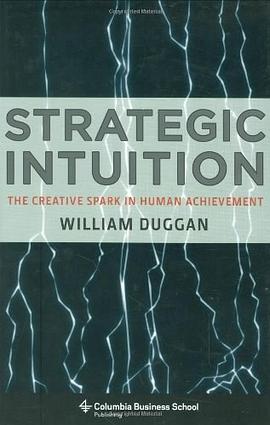
How "Aha!" really happens. When do you get your best ideas? You probably answer "At night," or "In the shower," or "Stuck in traffic." You get a flash of insight. Things come together in your mind. You connect the dots. You say to yourself, "Aha! I see what to do." Brain science now reveals how these flashes of insight happen. It's a special form of intuition. We call it strategic intuition, because it gives you an idea for action-a strategy. Brain science tells us there are three kinds of intuition: ordinary, expert, and strategic. Ordinary intuition is just a feeling, a gut instinct. Expert intuition is snap judgments, when you instantly recognize something familiar, the way a tennis pro knows where the ball will go from the arc and speed of the opponent's racket. (Malcolm Gladwell wrote about this kind of intuition in Blink .) The third kind, strategic intuition, is not a vague feeling, like ordinary intuition. Strategic intuition is a clear thought. And it's not fast, like expert intuition. It's slow. That flash of insight you had last night might solve a problem that's been on your mind for a month. And it doesn't happen in familiar situations, like a tennis match. Strategic intuition works in new situations. That's when you need it most. Everyone knows you need creative thinking, or entrepreneurial thinking, or innovative thinking, or strategic thinking to succeed in the modern world. All these kinds of thinking happen through flashes of insight-strategic intuition. And now that we know how it works, you can learn to do it better. That's what this book is about. Over the past ten years, William Duggan has conducted pioneering research on strategic intuition and for the past three years has taught a popular course at Columbia Business School on the subject. He now gives us this eye-opening book that shows how strategic intuition lies at the heart of great achievements throughout human history: the scientific and computer revolutions, women's suffrage, the civil rights movement, modern art, microfinance in poor countries, and more. Considering the achievements of people and organizations, from Bill Gates to Google, Copernicus to Martin Luther King, Picasso to Patton, you'll never think the same way about strategy again. Three kinds of strategic ideas apply to human achievement: * Strategic analysis, where you study the situation you face * Strategic intuition, where you get a creative idea for what to do * Strategic planning, where you work out the details of how to do it. There is no shortage of books about strategic analysis and strategic planning. This new book by William Duggan is the first full treatment of strategic intuition. It's the missing piece of the strategy puzzle that makes essential reading for anyone interested in achieving more in any field of human endeavor.
作者简介
目录信息
读后感
“When we turn to leading ideas in business strategy today, we find entirely different methods. Strategic analysis rules. Strategic intuition is absent”. William Duggan points out that the common practice considered as the way to make strategy in the curr...
评分“When we turn to leading ideas in business strategy today, we find entirely different methods. Strategic analysis rules. Strategic intuition is absent”. William Duggan points out that the common practice considered as the way to make strategy in the curr...
评分“When we turn to leading ideas in business strategy today, we find entirely different methods. Strategic analysis rules. Strategic intuition is absent”. William Duggan points out that the common practice considered as the way to make strategy in the curr...
评分“When we turn to leading ideas in business strategy today, we find entirely different methods. Strategic analysis rules. Strategic intuition is absent”. William Duggan points out that the common practice considered as the way to make strategy in the curr...
评分“When we turn to leading ideas in business strategy today, we find entirely different methods. Strategic analysis rules. Strategic intuition is absent”. William Duggan points out that the common practice considered as the way to make strategy in the curr...
用户评价
刚拿到《Strategic Intuition》这本书,我立刻被它那引人深思的封面设计所吸引,一种沉静而充满力量的感觉扑面而来,似乎预示着书中蕴藏着能够拨开迷雾、洞察未来的智慧。我一直对那些能够解释复杂现象、提供全新视角的人类能力充满好奇,尤其是在瞬息万变的商业世界中,那些被誉为“直觉”的闪光时刻,究竟是如何产生的?它是否可以被学习、被培养?这本书的标题精准地触及了我的好奇心,它不仅仅是关于“策略”的制定,更是关于“直觉”的运用,而将这两者结合,在我看来,是成就卓越的关键。想象一下,在一个充满不确定性的决策环境中,那些能够迅速捕捉到关键信息、预见潜在风险并做出明智选择的领导者,他们是如何做到的?这本书似乎给了我一个探索这个奥秘的邀请函,我迫不及待地想深入其中,去理解那种超越逻辑分析的、深层次的洞察力。这本书的出版,在我看来,填补了一个重要的知识空白,它并非教你死记硬背所谓的“成功法则”,而是引导你去发掘自身潜能,去理解那些看似偶然却实则必然的智慧闪光。我期待在这本书中找到答案,找到能够帮助我在工作和生活中做出更优选择的工具和思维方式。
评分在我接触到的众多管理和领导力书籍中,我总觉得缺少了一本能够真正触及“直觉”在战略决策中作用的书籍。许多书籍侧重于分析工具、数据驱动,而忽略了那些在关键时刻,能够引导决策者穿越迷雾、做出突破性判断的非理性因素。 《Strategic Intuition》这本书的标题,恰好弥补了这一遗憾。我非常好奇,作者将如何定义和阐释“战略性直觉”?它是否是一种可以后天习得的技能,还是某种与生俱来的天赋?我期待书中能够提供一些案例,来展示那些伟大的战略家是如何凭借直觉,在看似绝境中找到出路的。更重要的是,我希望这本书能够提供一套方法论,帮助我理解如何去培养和信任自己的直觉,如何在面对复杂情况时,不去过度依赖分析,而是敢于倾听内心的声音。这本书的价值,在我看来,在于它能够引导读者去挖掘潜意识的力量,将其转化为驱动战略成功的利器。
评分在我多年的学习和工作中,我观察到,那些真正能够引领潮流、创造价值的人,往往拥有一种非凡的能力,那就是在信息不完整、未来充满未知的情况下,能够做出准确而富有远见的决策。这种能力,往往被笼统地称为“直觉”,但“直觉”本身又是一个非常难以捉摸的概念。 《Strategic Intuition》这本书的出现,正好满足了我对这个领域深入探究的渴望。我非常好奇,作者将如何界定和剖析这种“战略性直觉”?它是否像一种可以被训练和强化的技能?书中是否会提供一些具体的练习方法,或者指导读者如何去识别和信任自己的直觉?我希望这本书能够提供一种清晰的框架,来理解这种超越逻辑分析的洞察力,并指导我在实际工作中,如何在复杂多变的局面下,有效地运用这种能力。这本书的出现,在我看来,是对于“直觉”这一重要能力的一次系统性的梳理和阐释,我非常期待它能为我提供一套行之有效的方法,帮助我提升决策的质量和效率。
评分我一直对那些能够做出“看似不可能”的明智决策的人充满好奇。在商业世界里,我们常常看到一些领导者,在面对重大挑战时,能够迅速捕捉到事态的关键,并做出一些令所有人意想不到却又无比有效的战略选择。这种能力,常常被归结为“直觉”,但我总觉得“直觉”这个词过于笼统。 《Strategic Intuition》这本书的出现,让我看到了一个深入探索这个话题的可能性。我希望这本书能够详细地剖析“战略性直觉”是如何运作的,它是如何与经验、知识和逻辑思维相互作用的。我期待书中能提供一些具体的案例,来展示这种直觉在不同行业、不同情境下的应用。更重要的是,我希望这本书能够为我提供一些指导,教我如何在日常工作中,去培养和运用自己的直觉,从而在复杂多变的商业环境中,做出更明智、更具前瞻性的决策。这本书的出现,对我来说,是一种极大的期待,我希望能从中获得开启高效决策的金钥匙。
评分一直以来,我都对那些能够在信息不完整、未来充满未知的情况下,做出准确而富有洞察力决策的人心存敬畏。这种能力,常被冠以“直觉”之名,但“直觉”本身,又是一个难以捉摸的概念。 《Strategic Intuition》这本书的出现,恰好点燃了我对深入探究这一领域的渴望。我非常好奇,作者将如何系统性地阐释“战略性直觉”?它是否仅仅是经验的堆积,还是蕴含着更深层次的心理机制?我热切地期待书中能够提供一些切实可行的方法,帮助我识别和培养自己的直觉,并将其有效地运用到战略决策中。我梦想着,通过这本书,我能够学会在面对复杂挑战时,不被庞杂的数据和过度的分析所束缚,而是能够捕捉到那些微妙的信号,做出那些真正具有前瞻性和颠覆性的战略选择。这本书的出版,对我而言,无疑是送来了一份关于“洞察力”和“决断力”的宝贵指南,我期待它能为我的职业生涯注入新的活力。
评分在我看来,真正的领导力不仅仅在于能够制定一套严谨的战略,更在于能够拥有那种在关键时刻,洞察先机、引领方向的“直觉”。然而,如何培养和运用这种“直觉”,却是一个鲜少被系统性探讨的领域。 《Strategic Intuition》这本书的标题,正是触及了我内心对这一主题的强烈好奇。我非常期待这本书能够深入地剖析“战略性直觉”的形成机制,解释它与决策过程的内在联系。我希望书中能够提供一些具体的练习方法,帮助我学会识别和信任自己的直觉,并将它转化为一种可靠的决策工具。我梦想着,通过阅读这本书,能够理解那些在商业竞争中脱颖而出的领导者,他们是如何在不确定性中找到确定性,如何在信息的洪流中捕捉到真正有价值的信号。这本书的价值,对我而言,在于它有望填补我在理解和运用“直觉”这一关键能力上的空白,让我能够更自信、更有效地引领团队走向成功。
评分我一直认为,在这个信息爆炸、瞬息万变的时代,能够超越表象、洞察事物本质的能力,是衡量一个领导者是否卓越的关键。而这种能力,往往就体现在那种被称之为“直觉”的闪光时刻。 《Strategic Intuition》这本书的出现,正好满足了我对这一神秘而强大能力的求知欲。我非常期待书中能够详细阐述“战略性直觉”的概念,解释它是如何产生的,以及它在战略制定和决策过程中扮演的角色。我尤其好奇,作者是否会提供一些实用的技巧或方法,来帮助普通人也能有效地培养和运用这种直觉。例如,如何在缺乏足够数据的情况下,做出基于直觉的初步判断?如何区分是真正的直觉还是仅仅是臆想?我希望这本书能够为我提供一个清晰的理论框架,并辅以丰富的案例,让我能够更深刻地理解并掌握“战略性直觉”,从而在我的工作和生活中,成为一个更具洞察力和决断力的人。
评分我一直以来都对那些能够洞察事物本质,并在关键时刻做出准确判断的人充满敬佩。在我的职业生涯中,我曾多次目睹过一些领导者,在面对复杂局面时,他们似乎能够“预知”到事态的发展,并采取出人意料却又极其有效的策略。这种能力,常常被笼统地归结为“直觉”,但“直觉”本身又是一个模糊的概念,很难被量化和学习。 《Strategic Intuition》这本书的出现,正好契合了我对这个领域探索的渴望。它不仅仅是关于策略本身,更是关于策略背后那种能够引领决策者的“直觉”力量。我很好奇,作者将如何解构这种神秘的能力?它是否像一种可以被训练和强化的肌肉?书中是否会提供具体的案例研究,来展示这种“战略性直觉”在真实商业场景中的应用?我希望这本书能够打破“直觉”的神秘面纱,将其转化为一种可操作、可理解的思维模式,让我能够借鉴并提升自己的决策能力。我期待这本书能够提供一种全新的视角,去理解成功决策的内在逻辑,并帮助我在日益复杂的商业环境中,培养出更敏锐的洞察力和更果断的行动力。
评分最近,我一直在思考一个问题:是什么让一些人在充满不确定性的环境中,能够做出比他人更出色的决策?是运气,还是某种更深层次的能力? 《Strategic Intuition》这本书的标题,恰好触及了我内心深处的疑问。我对此书充满了期待,因为“直觉”这个词,在我看来,代表着一种超越纯粹理性分析的洞察力,它可能来源于经验的积累,也可能是一种潜意识的加工。这本书如果能够深入探讨这种“战略性直觉”是如何形成的,又该如何去培养,那将对我产生巨大的价值。我尤其关心的是,书中是否会提供一套系统性的方法论,帮助读者去识别和利用自己的直觉,甚至在缺乏足够信息的情况下,也能做出相对最优的判断。我设想,这本书可能会分享一些在压力下、在信息极度不对称的环境中,领导者如何依靠直觉做出关键决策的真实案例。如果这本书能够真正地帮助我理解并运用这种能力,那么它将不仅仅是一本书,更可能成为我职业发展道路上的一个重要转折点。我非常期待它能为我打开一扇新的窗户,去认识和掌握这种宝贵的“战略性直觉”。
评分一直以来,我都对那些能够在关键时刻,凭借一种“感觉”或“预感”做出正确选择的人感到着迷。这种能力,往往被人们称之为“直觉”,但它究竟是什么?它如何产生?又该如何被培养? 《Strategic Intuition》这本书的标题,正好触及了我内心深处对这种能力的探索欲望。我希望这本书能够深入浅出地剖析“战略性直觉”的本质,并且提供一套切实可行的方法,帮助读者去识别、理解并最终运用这种宝贵的能力。我非常期待书中能够包含一些真实的商业案例,来展示领导者如何在充满不确定性的环境中,依靠直觉做出明智的战略决策。如果这本书能够帮助我更好地理解自己的直觉,并学会如何将这种直觉融入到我的日常决策过程中,那么它将极大地提升我应对复杂挑战的能力。我渴望在这本书中找到解锁“战略性直觉”的钥匙,从而在我的职业和个人生活中,做出更具智慧和远见的决策。
评分Duggan指出了现在商科教育的缺点所在。从军事规划理论演变而来的商业实践模式并不是一朝一夕可改变的,从本书出版07年到现在,虽然越来越多对创业者的研究和对MBA学生思维定式的反思直接出现在商科教育课堂中,但旧模式仍是主旋律。
评分Theory is how we tell it. Duggan set an example, at least for me, of how to ochestra narratives across a variety of disciplines to deliver a simple tune. The distinction between expert intuition and strategic intuition is a thought-provoking concept that deserves more explorations in research. And the chapter on social entrepreneurship is certainly a pleasant surprise, albeit a less helpful one.
评分Theory is how we tell it. Duggan set an example, at least for me, of how to ochestra narratives across a variety of disciplines to deliver a simple tune. The distinction between expert intuition and strategic intuition is a thought-provoking concept that deserves more explorations in research. And the chapter on social entrepreneurship is certainly a pleasant surprise, albeit a less helpful one.
评分Duggan指出了现在商科教育的缺点所在。从军事规划理论演变而来的商业实践模式并不是一朝一夕可改变的,从本书出版07年到现在,虽然越来越多对创业者的研究和对MBA学生思维定式的反思直接出现在商科教育课堂中,但旧模式仍是主旋律。
评分Duggan指出了现在商科教育的缺点所在。从军事规划理论演变而来的商业实践模式并不是一朝一夕可改变的,从本书出版07年到现在,虽然越来越多对创业者的研究和对MBA学生思维定式的反思直接出现在商科教育课堂中,但旧模式仍是主旋律。
相关图书




本站所有内容均为互联网搜索引擎提供的公开搜索信息,本站不存储任何数据与内容,任何内容与数据均与本站无关,如有需要请联系相关搜索引擎包括但不限于百度,google,bing,sogou 等
© 2026 book.quotespace.org All Rights Reserved. 小美书屋 版权所有