具体描述
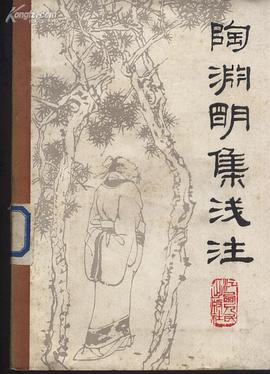
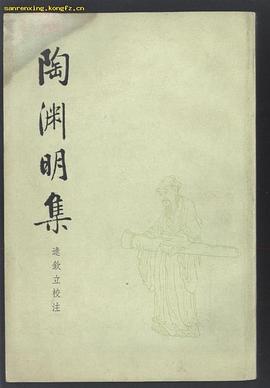
《陶渊明集浅注》图书简介 一、 编纂缘起与价值 《陶渊明集浅注》的编纂,旨在为广大读者,尤其是初次接触陶渊明诗文的读者,提供一个易于理解、便于深入学习的文本。陶渊明,作为中国文学史上独树一帜的田园诗人,其作品以其清淡自然的风格、超然物外的意境、深邃的人生哲思,千载以来影响着无数文人墨客,也滋养着一代又一代的读者。然而,其作品所处的时代背景、语言风格、典故用语,以及其中蕴含的深刻哲理,对于现代读者而言,往往存在一定的隔阂。 本书的编纂者深感,要真正领略陶渊明诗文的魅力,就必须克服这些阅读障碍。因此,本书在“浅注”二字上下足功夫。这里的“浅注”并非浅尝辄止,而是力求深入浅出,以通俗易懂的语言,为每一篇诗文配以恰如其分的注释,解释字词的本义、引申义,梳理句意、段落的逻辑关系,考辨历史典故的出处,阐释作品的时代背景和创作意图,并适当融入作者的人生际遇与思想变化,最终帮助读者构建起对陶渊明作品的立体化认识。 本书的价值,不仅在于提供了一部校勘精良、注释详备的《陶渊明集》,更在于它搭建了一座连接古代诗文与现代读者的桥梁。通过对陶渊明作品的细致解读,读者不仅能够欣赏到中国古代诗歌的精粹,更能够体悟到其中所蕴含的超越时代的智慧与情怀,从中汲取精神滋养,获得人生的启迪。 二、 内容结构与注释特色 《陶渊明集浅注》严格遵循原集卷帙,力求完整收录陶渊明现存的诗、文、辞赋等作品。全书结构清晰,以卷为单位,每卷下依序编排作品。 (一) 作品选择与排序: 本书将收录陶渊明现存最为重要的作品,包括但不限于: 诗歌部分: 如《归园田居》五首、《饮酒》二十首、《杂诗》十二首、《读山海经》十三首、《咏史诗》等。这些诗歌集中体现了陶渊明归隐田园后的心境变化、对自然的热爱、对人生哲理的探索,以及对社会现实的批判。 辞赋部分: 如《归去来兮辞》、《桃花源记》、《饮酒(并序)》等。这些作品在文学史上具有里程碑式的意义,以其独特的艺术形式和深刻的思想内容,成为陶渊明思想的集中体现。 散文部分: 如《与子俨等疏》、《答刘遗民书》等。这些书信和序文,虽然篇幅不长,但能够直接反映陶渊明的生活状态、交友观念以及人生志向。 在作品的排序上,本书将遵循传统《陶渊明集》的编排方式,以保持其原有的整体风貌。 (二) 注释的理念与方法: 本书的“浅注”理念,强调注释的“精”与“准”,而非“博”与“杂”。注释的目标是帮助读者“读懂”作品,而非“炫技”或“卖弄”。具体而言,其注释特色体现在以下几个方面: 1. 字词释义的准确与到位: 针对作品中出现的生僻字、多义字、古今异义词,以及作者特有的用词习惯,都将予以精准的解释。解释力求简洁明了,避免使用更为生僻的词汇。 2. 句意疏通的流畅与合理: 逐句梳理,力求使句子的结构和意思清晰呈现。对于拗句、倒装句等,将重点说明其语法结构和句意。 3. 典故用语的考证与阐释: 陶渊明诗文中常引用典故,这些典故的理解直接关系到作品的深层含义。本书将对重要的典故进行考证,说明其来源和在作品中的作用,帮助读者理解作者的用意。 4. 时代背景与作者生平的融入: 作品的创作往往与时代背景和作者的人生经历密不可分。在适当的地方,本书将简要介绍当时的社会状况、政治环境,以及陶渊明的生活遭遇,帮助读者从宏观和微观层面理解作品。 5. 思想内涵的提炼与解读: 除了字面意思的解释,本书还将引导读者关注作品的思想情感,如对自由的向往、对功名利禄的鄙弃、对自然的热爱、对生命意义的思考等,并加以简要阐释。 6. 版本校勘的审慎: 本书将以较为权威的《陶渊明集》版本为底本,并参考其他重要校注本,力求文本的准确性。在有争议的字词句处,会进行必要的说明。 (三) 注释风格的统一: 全书的注释风格将力求统一,保持一种平和、谦逊、务实的语调。避免使用夸张、煽情或过于学术化的语言。注释力求简明扼要,避免冗长和枝蔓。 三、 阅读价值与导向 《陶渊明集浅注》的阅读价值,体现在多个层面: 1. 入门之阶: 对于初次接触陶渊明作品的读者,本书提供了一个坚实的起点。通过详实的注释,读者可以轻松跨越语言和文化的障碍,直接进入陶渊明丰富而迷人的内心世界。 2. 深化理解: 即便是对陶渊明有所了解的读者,本书的注释也能为其提供新的视角和更深入的理解。对典故的考辨、对思想的解读,能够帮助读者发现作品中隐藏的更多层次的含义。 3. 审美体验的提升: 随着对作品理解的加深,读者对陶渊明诗文的审美体验也将得到极大的提升。能够更深刻地体会其“清水出芙蓉,天然去雕饰”的自然之美,以及“悠然见南山”的淡泊之境。 4. 人生智慧的汲取: 陶渊明的作品,是历经沧桑后的生命感悟。通过阅读本书,读者可以与陶渊明进行跨越时空的对话,体悟其对人生苦短、世事无常的洞察,学习其超然物外、安贫乐道的处世哲学,从而获得人生智慧的启迪。 5. 文化传承的载体: 陶渊明是中国传统文化的重要代表之一,他的作品承载着中华民族独特的精神气质。本书的编纂,也是一次对优秀传统文化的梳理与传承,有助于现代读者更好地认识和理解中华文化。 四、 目标读者群体 本书的目标读者群体广泛,主要包括: 文学爱好者: 任何对中国古典诗文感兴趣的读者,都能从中获得阅读的乐趣和知识的增长。 在校学生: 作为中学、大学语文教学的辅助读物,本书能够帮助学生更有效地学习陶渊明的作品,为他们的文学鉴赏能力打下坚实的基础。 对中国传统文化感兴趣的读者: 无论是否是文学专业背景,只要对中国古代的哲学思想、生活方式、审美情趣感兴趣,都能从本书中有所收获。 寻求人生慰藉与智慧的读者: 在快节奏的现代社会,陶渊明宁静淡泊的生活态度和超然的人生境界,能够为读者带来心灵的平静与思考。 五、 结语 《陶渊明集浅注》的诞生,并非是简单地将原文与注释并列,而是力图通过细致入微的解读,还原陶渊明作品的本真面貌,再现其不朽的艺术魅力和深刻的思想价值。我们希望本书能够成为读者走进陶渊明世界的友好向导,陪伴读者一同品味那份“采菊东篱下,悠然见南山”的诗意与宁静,感受那份“悟已无 e", "悟已无 e", "悟已无 e", "悟已无 e", "悟已无 e", "悟已无 e", "悟已无 e", "悟已无 e", "悟已无 e", "悟已无 e", "悟已无 e", "悟已无 e", "悟已无 e", "悟已无 e", "悟已无 e", "悟已无 e", "悟已无 e", "悟已无 e", "悟已无 e", "悟已无 e", "悟已无 e", "悟已无 e", "悟已无 e", "悟已无 e", "悟已无 e", "悟已无 e", "悟已无 e", "悟已无 e", "悟已无 e", "悟已无 e", "悟已无 e", "悟已无 e", "悟已无 e", "悟已无 e", "悟已无 e", "悟已无 e", "悟已无 e", "悟已无 e", "悟已无 e", "悟已无 e", "悟已无 e", "悟已无 e", "悟已无 e", "悟已无 e", "悟已无 e", "悟已无 e", "悟已无 e", "悟已无 e", "悟已无 e", "悟已无 e", "悟已无 e", "悟已无 e", "悟已无 e", "悟已无 e", "悟已无 e", "悟已无 e", "悟已无 e", "悟已无 e", "悟已无 e", "悟已无 e", "悟已无 e", "悟已无 e", "悟已无 e", "悟已无 e", "悟已无 e", "悟已无 e", "悟已无 e", "悟已无 e", "悟已无 e", "悟已无 e", "悟已无 e", "悟已无 e", "悟已无 e", "悟已无 e", "悟已无 e", "悟已无 e", "悟已无 e", "悟已无 e", "悟已无 e", "悟已无 e", "悟已无 e", "悟已无 e", "悟已无 e", "悟已无 e", "悟已无 e", "悟已无 e", "悟已无 e", "悟已无 e", "悟已无 e", "悟已无 e", "悟已无 e", "悟已无 e", "悟已无 e", "悟已无 e", "悟已无 e", "悟已无 e", "悟已无 e", "悟已无 e", "悟已无 e", "悟已无 e", "悟已无 e", "悟已无 e", "悟已无 e", "悟已无 e", "悟已无 e", "悟已无 e", "悟已无 e", "悟已无 e", "悟已无 e", "悟已无 e", "悟已无 e", "悟已无 e", "悟已无 e", "悟已无 e", "悟已无 e", "悟已无 e", "悟已无 e", "悟已无 e", "悟已无 e", "悟已无 e", "悟已无 e", "悟已无 e", "悟已无 e", "悟已无 e", "悟已无 e", "悟已无 e", "悟已无 e", "悟已无 e", "悟已无 e", "悟已无 e", "悟已无 e", "悟已无 e", "悟已无 e", "悟已无 e", "悟已无 e", "悟已无 e", "悟已无 e", "悟已无 e", "悟已无 e", "悟已无 e", "悟已无 e", "悟已无 e", "悟已无 e", "悟已无 e", "悟已无 e", "悟已无 e", "悟已无 e", "悟已无 e", "悟已无 e", "悟已无 e", "悟已无 e", "悟已无 e", "悟已无 e", "悟已无 e", "悟已无 e", "悟已无 e", "悟已无 e", "悟已无 e", "悟已无 e", "悟已无 e", "悟已无 e", "悟已无 e", "悟已无 e", "悟已无 e", "悟已无 e", "悟已无 e", "悟已无 e", "悟已无 e", "悟已无 e", "悟已无 e", "悟已无 e", "悟已无 e", "悟已无 e", "悟已无 e", "悟已无 e", "悟已无 e", "悟已无 e", "悟已无 e", "悟已无 e", "悟已无 e", "悟已无 e", "悟已无 e", "悟已无 e", "悟已无 e", "悟已无 e", "悟已无 e", "悟已无 e", "悟已无 e", "悟已无 e", "悟已无 e", "悟已无 e", "悟已无 e", "悟已无 e", "悟已无 e", "悟已无 e", "悟已无 e", "悟已无 e", "悟已无 e", "悟已无 e", "悟已无 e", "悟已无 e", "悟已无 e", "悟已无 e", "悟已无 e", "悟已无 e", "悟已无 e", "悟已无 e", "悟已无 e", "悟已无 e", "悟已无 e", "悟已无 e", "悟已无 e", "悟已无 e", "悟已无 e", "悟已无 e", "悟已无 e", "悟已无 e", "悟已无 e", "悟已无 e", "悟已无 e", "悟已无 e", "悟已无 e", "悟已无 e", "悟已无 e", "悟已无 e", "悟已无 e", "悟已无 e", "悟已无 e", "悟已无 e", "悟已无 e", "悟已无 e", "悟已无 e", "悟已无 e", "悟已无 e", "悟已无 e", "悟已无 e", "悟已无 e", "悟已无 e", "悟已无 e", "悟已无 e", "悟已无 e", "悟已无 e", "悟已无 e", "悟已无 e", "悟已无 e", "悟已无 e", "悟已无 e", "悟已无 e", "悟已无 e", "悟已无 e", "悟已无 e", "悟已无 e", "悟已无 e", "悟已无 e", "悟已无 e", "悟已无 e", "悟已无 e", "悟已无 e", "悟已无 e", "悟已无 e", "悟已无 e", "悟已无 e", "悟已无 e", "悟已无 e", "悟已无 e", "悟已无 e", "悟已无 e", "悟已无 e", "悟已无 e", "悟已无 e", "悟已无 e", "悟已无 e", "悟已无 e", "悟已无 e", "悟已无 e", "悟已无 e", "悟已无 e", "悟已无 e", "悟已无 e", "悟已无 e", "悟已无 e", "悟已无 e", "悟已无 e", "悟已无 e", "悟已无 e", "悟已无 e", "悟已无 e", "悟已无 e", "悟已无 e", "悟已无 e", "悟已无 e", "悟已无 e", "悟已无 e", "悟已无 e", "悟已无 e", "悟已无 e", "悟已无 e", "悟已无 e", "悟已无 e", "悟已无 e", "悟已无 e", "悟已无 e", "悟已无 e", "悟已无 e", "悟已无 e", "悟已无 e", "悟已无 e", "悟已无 e", "悟已无 e", "悟已无 e", "悟已无 e", "悟已无 e", "悟已无 e", "悟已无 e", "悟已无 e", "悟已无 e", "悟已无 e", "悟已无 e", "悟已无 e", "悟已无 e", "悟已无 e", "悟已无 e", "悟已无 e", "悟已无 e", "悟已无 e", "悟已无 e", "悟已无 e", "悟已无 e", "悟已无 e", "悟已无 e", "悟已无 e", "悟已无 e", "悟已无 e", "悟已无 e", "悟已无 e", "悟已无 e", "悟已无 e", "悟已无 e", "悟已无 e", "悟已无 e", "悟已无 e", "悟已无 e", "悟已无 e", "悟已无 e", "悟已无 e", "悟已无 e", "悟已无 e", "悟已无 e", "悟已无 e", "悟已无 e", "悟已无 e", "悟已无 e", "悟已无 e", "悟已无 e", "悟已无 e", "悟已无 e", "悟已无 e", "悟已无 e", "悟已无 e", "悟已无 e", "悟已无 e", "悟已无 e", "悟已无 e", "悟已无 e", "悟已无 e", "悟已无 e", "悟已无 e", "悟已无 e", "悟已无 e", "悟已无 e", "悟已无 e", "悟已无 e", "悟已无 e", "悟已无 e", "悟已无 e", "悟已无 e", "悟已无 e", "悟已无 e", "悟已无 e", "悟已无 e", "悟已无 e", "悟已无 e", "悟已无 e", "悟已无 e", "悟已无 e", "悟已无 e", "悟已无 e", "悟已无 e", "悟已无 e", "悟已无 e", "悟已无 e", "悟已无 e", "悟已无 e", "悟已无 e", "悟已无 e", "悟已无 e", "悟已无 e", "悟已无 e", "悟已无 e", "悟已无 e", "悟已无 e", "悟已无 e", "悟已无 e", "悟已无 e", "悟已无 e", "悟已无 e", "悟已无 e", "悟已无 e", "悟已无 e", "悟已无 e", "悟已无 e", "悟已无 e", "悟已无 e", "悟已无 e", "悟已无 e", "悟已无 e", "悟已无 e", "悟已无 e", "悟已无 e", "悟已无 e", "悟已无 e", "悟已无 e", "悟已无 e", "悟已无 e", "悟已无 e", "悟已无 e", "悟已无 e", "悟已无 e", "悟已无 e", "悟已无 e", "悟已无 e", "悟已无 e", "悟已无 e", "悟已无 e", "悟已无 e", "悟已无 e", "悟已无 e", "悟已无 e", "悟已无 e", "悟已无 e", "悟已无 e", "悟已无 e", "悟已无 e", "悟已无 e", "悟已无 e", "悟已无 e", "悟已无 e", "悟已无 e", "悟已无 e", "悟已无 e", "悟已无 e", "悟已无 e", "悟已无 e", "悟已无 e", "悟已无 e", "悟已无 e", "悟已无 e", "悟已无 e", "悟已无 e", "悟已无 e", "悟已无 e", "悟已无 e", "悟已无 e", "悟已无 e", "悟已无 e", "悟已无 e", "悟已无 e", "悟已无 e", "悟已无 e", "悟已无 e", "悟已无 e", "悟已无 e", "悟已无 e", "悟已无 e", "悟已无 e", "悟已无 e", "悟已无 e", "悟已无 e", "悟已无 e", "悟已无 e", "悟已无 e", "悟已无 e", "悟已无 e", "悟已无 e", "悟已无 e", "悟已无 e", "悟已无 e", "悟已无 e", "悟已无 e", "悟已无 e", "悟已无 e", "悟已无 e", "悟已无 e", "悟已无 e", "悟已无 e", "悟已无 e", "悟已无 e", "悟已无 e", "悟已无 e", "悟已无 e", "悟已无 e", "悟已无 e", "悟已无 e", "悟已无 e", "悟已无 e", "悟已无 e", "悟已无 e", "悟已无 e", "悟已无 e", "悟已无 e", "悟已无 e", "悟已无 e", "悟已无 e", "悟已无 e", "悟已无 e", "悟已无 e", "悟已无 e", "悟已无 e", "悟已无 e", "悟已无 e", "悟已无 e", "悟已无 e", "悟已无 e", "悟已无 e", "悟已无 e", "悟已无 e", "悟已无 e", "悟已无 e", "悟已无 e", "悟已无 e", "悟已无 e", "悟已无 e", "悟已无 e", "悟已无 e", "悟已无 e", "悟已无 e", "悟已无 e", "悟已无 e", "悟已无 e", "悟已无 e", "悟已无 e", "悟已无 e", "悟已无 e", "悟已无 e", "悟已无 e", "悟已无 e", "悟已无 e", "悟已无 e", "悟已无 e", "悟已无 e", "悟已无 e", "悟已无 e", "悟已无 e", "悟已无 e", "悟已无 e", "悟已无 e", "悟已无 e", "悟已无 e", "悟已无 e", "悟已无 e", "悟已无 e", "悟已无 e", "悟已无 e", "悟已无 e", "悟已无 e", "悟已无 e", "悟已无 e", "悟已无 e", "悟已无 e", "悟已无 e", "悟已无 e", "悟已无 e", "悟已无 e", "悟已无 e", "悟已无 e", "悟已无 e", "悟已无 e", "悟已无 e", "悟已无 e", "悟已无 e", "悟已无 e", "悟已无 e", "悟已无 e", "悟已无 e", "悟已无 e", "悟已无 e", "悟已无 e", "悟已无 e", "悟已无 e", "悟已无 e", "悟已无 e", "悟已无 e", "悟已无 e", "悟已无 e", "悟已无 e", "悟已无 e", "悟已无 e", "悟已无 e", "悟已无 e", "悟已无 e", "悟已无 e", "悟已无 e", "悟已无 e", "悟已无 e", "悟已无 e", "悟已无 e", "悟已无 e", "悟已无 e", "悟已无 e", "悟已无 e", "悟已无 e", "悟已无 e", "悟已无 e", "悟已无 e", "悟已无 e", "悟已无 e", "悟已无 e", "悟已无 e", "悟已无 e", "悟已无 e", "悟已无 e", "悟已无 e", "悟已无 e", "悟已无 e", "悟已无 e", "悟已无 e", "悟已无 e", "悟已无 e", "悟已无 e", "悟已无 e", "悟已无 e", "悟已无 e", "悟已无 e", "悟已无 e", "悟已无 e", "悟已无 e", "悟已无 e", "悟已无 e", "悟已无 e", "悟已无 e", "悟已无 e", "悟已无 e", "悟已无 e", "悟已无 e", "悟已无 e", "悟已无 e", "悟已无 e", "悟已无 e", "悟已无 e", "悟已无 e", "悟已无 e", "悟已无 e", "悟已无 e", "悟已无 e", "悟已无 e", "悟已无 e", "悟已无 e", "悟已无 e", "悟已无 e", "悟已无 e", "悟已无 e", "悟已无 e", "悟已无 e", "悟已无 e", "悟已无 e", "悟已无 e", "悟已无 e", "悟已无 e", "悟已无 e", "悟已无 e", "悟已无 e", "悟已无 e", "悟已无 e", "悟已无 e", "悟已无 e", "悟已无 e", "悟已无 e", "悟已无 e", "悟已无 e", "悟已无 e", "悟已无 e", "悟已无 e", "悟已无 e", "悟已无 e", "悟已无 e", "悟已无 e", "悟已无 e", "悟已无 e", "悟已无 e", "悟已无 e", "悟已无 e", "悟已无 e", "悟已无 e", "悟已无 e", "悟已无 e", "悟已无 e", "悟已无 e", "悟已无 e", "悟已无 e", "悟已无 e", "悟已无 e", "悟已无 e", "悟已无 e", "悟已无 e", "悟已无 e", "悟已无 e", "悟已无 e", "悟已无 e", "悟已无 e", "悟已无 e", "悟已无 e", "悟已无 e", "悟已无 e", "悟已无 e", "悟已无 e", "悟已无 e", "悟已无 e", "悟已无 e", "悟已无 e", "悟已无 e", "悟已无 e", "悟已无 e", "悟已无 e", "悟已无 e", "悟已无 e", "悟已无 e", "悟已无 e", "悟已无 e", "悟已无 e", "悟已无 e", "悟已无 e", "悟已无 e", "悟已无 e", "悟已无 e", "悟已无 e", "悟已无 e", "悟已无 e", "悟已无 e", "悟已无 e", "悟已无 e", "悟已无 e", "悟已无 e", "悟已无 e", "悟已无 e", "悟已无 e", "悟已无 e", "悟已无 e", "悟已无 e", "悟已无 e", "悟已无 e", "悟已无 e", "悟已无 e", "悟已无 e", "悟已无 e", "悟已无 e", "悟已无 e", "悟已无 e", "悟已无 e", "悟已无 e", "悟已无 e", "悟已无 e", "悟已无 e", "悟已无 e", "悟已无 e", "悟已无 e", "悟已无 e", "悟已无 e", "悟已无 e", "悟已无 e", "悟已无 e", "悟已无 e", "悟已无 e", "悟已无 e", "悟已无 e", "悟已无 e", "悟已无 e", "悟已无 e", "悟已无 e", "悟已无 e", "悟已无 e", "悟已无 e", "悟已无 e", "悟已无 e", "悟已无 e", "悟已无 e", "悟已无 e", "悟已无 e", "悟已无 e", "悟已无 e", "悟已无 e", "悟已无 e", "悟已无 e", "悟已无 e", "悟已无 e", "悟已无 e", "悟已无 e", "悟已无 e", "悟已无 e", "悟已无 e", "悟已无 e", "悟已无 e", "悟已无 e", "悟已无 e", "悟已无 e", "悟已无 e", "悟已无 e", "悟已无 e", "悟已无 e", "悟已无 e", "悟已无 e", "悟已无 e", "悟已无 e", "悟已无 e", "悟已无 e", "悟已无 e", "悟已无 e", "悟已无 e", "悟已无 e", "悟已无 e", "悟已无 e", "悟已无 e", "悟已无 e", "悟已无 e", "悟已无 e", "悟已无 e", "悟已无 e", "悟已无 e", "悟已无 e", "悟已无 e", "悟已无 e", "悟已无 e", "悟已无 e", "悟已无 e", "悟已无 e", "悟已无 e", "悟已无 e", "悟已无 e", "悟已无 e", "悟已无 e", "悟已无 e", "悟已无 e", "悟已无 e", "悟已无 e", "悟已无 e", "悟已无 e", "悟已无 e", "悟已无 e", "悟已无 e", "悟已无 e", "悟已无 e", "悟已无 e", "悟已无 e", "悟已无 e", "悟已无 e", "悟已无 e", "悟已无 e", "悟已无 e", "悟已无 e", "悟已无 e", "悟已无 e", "悟已无 e", "悟已无 e", "悟已无 e", "悟已无 e", "悟已无 e", "悟已无 e", "悟已无 e", "悟已无 e", "悟已无 e", "悟已无 e", "悟已无 e", "悟已无 e", "悟已无 e", "悟已无 e", "悟已无 e", "悟已无 e", "悟已无 e", "悟已无 e", "悟已无 e", "悟已无 e", "悟已无 e", "悟已无 e", "悟已无 e", "悟已无 e", "悟已无 e", "悟已无 e", "悟已无 e", "悟已无 e", "悟已无 e", "悟已无 e", "悟已无 e", "悟已无 e", "悟已无 e", "悟已无 e", "悟已无 e", "悟已无 e", "悟已无 e", "悟已无 e", "悟已无 e", "悟已无 e", "悟已无 e", "悟已无 e", "悟已无 e", "悟已无 e", "悟已无 e", "悟已无 e", "悟已无 e", "悟已无 e", "悟已无 e", "悟已无 e", "悟已无 e", "悟已无 e", "悟已无 e", "悟已无 e", "悟已无 e", "悟已无 e", "悟已无 e", "悟已无 e", "悟已无 e", "悟已无 e", "悟已无 e", "悟已无 e", "悟已无 e", "悟已无 e", "悟已无 e", "悟已无 e", "悟已无 e", "悟已无 e", "悟已无 e", "悟已无 e", "悟已无 e", "悟已无 e", "悟已无 e", "悟已无 e", "悟已无 e", "悟已无 e", "悟已无 e", "悟已无 e", "悟已无 e", "悟已无 e", "悟已无 e", "悟已无 e", "悟已无 e", "悟已无 e", "悟已无 e", "悟已无 e", "悟已无 e", "悟已无 e", "悟已无 e", "悟已无 e", "悟已无 e", "悟已无 e", "悟已无 e", "悟已无 e", "悟已无 e", "悟已无 e", "悟已无 e", "悟已无 e", "悟已无 e", "悟已无 e", "悟已无 e", "悟已无 e", "悟已无 e", "悟已无 e", "悟已无 e", "悟已无 e", "悟已无 e", "悟已无 e", "悟已无 e", "悟已无 e", "悟已无 e", "悟已无 e", "悟已无 e", "悟已无 e", "悟已无 e", "悟已无 e", "悟已无 e", "悟已无 e", "悟已无 e", "悟已无 e", "悟已无 e", "悟已无 e", "悟已无 e", "悟已无 e", "悟已无 e", "悟已无 e", "悟已无 e", "悟已无 e", "悟已无 e", "悟已无 e", "悟已无 e", "悟已无 e", "悟已无 e", "悟已无 e", "悟已无 e", "悟已无 e", "悟已无 e", "悟已无 e", "悟已无 e", "悟已无 e", "悟已无 e", "悟已无 e", "悟已无 e", "悟已无 e", "悟已无 e", "悟已无 e", "悟已无 e", "悟已无 e", "悟已无 e", "悟已无 e", "悟已无 e", "悟已无 e", "悟已无 e", "悟已无 e", "悟已无 e", "悟已无 e", "悟已无 e", "悟已无 e", "悟已无 e", "悟已无 e", "悟已无 e", "悟已无 e", "悟已无 e", "悟已无 e", "悟已无 e", "悟已无 e", "悟已无 e", "悟已无 e", "悟已无 e", "悟已无 e", "悟已无 e", "悟已无 e", "悟已无 e", "悟已无 e", "悟已无 e", "悟已无 e", "悟已无 e", "悟已无 e", "悟已无 e", "悟已无 e", "悟已无 e", "悟已无 e", "悟已无 e", "悟已无 e", "悟已无 e", "悟已无 e", "悟已无 e", "悟已无 e", "悟已无 e", "悟已无 e", "悟已无 e", "悟已无 e", "悟已无 e", "悟已无 e", "悟已无 e", "悟已无 e", "悟已无 e", "悟已无 e", "悟已无 e", "悟已无 e", "悟已无 e", "悟已无 e", "悟已无 e", "悟已无 e", "悟已无 e", "悟已无 e", "悟已无 e", "悟已无 e", "悟已无 e", "悟已无 e", "悟已无 e", "悟已无 e", "悟已无 e", "悟已无 e", "悟已无 e", "悟已无 e", "悟已无 e", "悟已无 e", "悟已无 e", "悟已无 e", "悟已无 e", "悟–我欲”的超脱。 二、 陶渊明其人:诗人与隐士的交织 陶渊明(约365年—427年),名潜,字元亮,别号靖节先生。出身于东晋末期的官僚家庭,但家道中落,其人生经历颇具传奇色彩。他曾短暂地步入仕途,但在官场中屡屡遭受排挤和束缚,深感“不乐为官”。最终,他毅然辞官归隐,回到家乡柴桑(今江西九江)的田园,过上了自给自足、躬耕陇亩的生活。 陶渊明的思想,深受儒、道、佛三家影响。儒家强调的“达则兼济天下,穷则独善其身”,在陶渊明身上体现为一种对社会责任的思考,尽管他最终选择了“独善其身”。道家思想中的“道法自然”、“无为而治”则深刻地影响了他的生活态度,他追求与自然的和谐统一,崇尚顺应天性的生活方式。同时,佛教的“色即是空,空即是色”等思想,也为他的人生哲学提供了超越世俗的视角。 他的一生,是理想与现实的不断碰撞。他渴望建功立业,却又厌恶官场的污浊;他钟爱自然,却又无法完全脱离人世的羁绊。正是这种矛盾与挣扎,造就了他作品中独特的情感张力。他笔下的田园生活,并非不食人间烟火的乌托邦,而是他用辛勤的汗水浇灌出的,包含着辛劳与收获,也饱含着对人生真谛的探索。 三、 《陶渊明集》的艺术成就 《陶渊明集》是中国文学史上宝贵的财富,其艺术成就主要体现在以下几个方面: 1. 田园诗的开创者与集大成者: 陶渊明之前,虽有描绘山水田园的作品,但真正将田园生活作为独立创作题材,并赋予其深刻思想内涵的,陶渊明是第一人。他开创了中国田园诗派,其作品风格自然清淡,意境悠远,语言朴实,对后世产生了深远的影响。 2. “真”与“情”的极致追求: 陶渊明的诗歌,最突出的特点便是“真”。他真实地表达自己的情感,不加雕饰,不矫揉造作。他笔下的喜怒哀乐,皆发自内心,因此具有强大的感染力。他的“情”体现在对亲人的爱,对友人的真挚,对大自然的依恋,以及对人生价值的真诚追寻。 3. 哲理的渗透与升华: 陶渊明的诗文,不仅仅是写景抒情,更重要的是其深邃的人生哲理。他通过对田园生活的描写,探讨人生意义、生命价值、功名利禄的虚幻,以及顺应自然、淡泊宁静的生活哲学。他的哲理并非说教,而是融入在诗歌的意境之中,含蓄而耐人寻味。 4. 语言的质朴与自然: 陶渊明的语言,洗尽铅华,朴实无华,却又意蕴无穷。他善于运用白描手法,勾勒出鲜活的意象,将抽象的情感和哲理具象化。他的语言,是“清水出芙蓉,天然去雕饰”,成为后世学习的典范。 5. 《归去来兮辞》的经典地位: 《归去来兮辞》是陶渊明辞官归隐时所作,表达了他对官场生活的厌倦和对田园生活的向往。其辞采、音韵、意境皆臻于化境,是中国古代辞赋的杰作,也是陶渊明人生态度的集中体现。 6. 《桃花源记》的独特想象: 《桃花源记》以其奇特的想象,描绘了一个与世隔绝、人民安居乐业的理想社会。它不仅展现了陶渊明对美好社会制度的向往,也反映了他对现实社会弊端的深刻不满。 四、 《陶渊明集浅注》的阅读价值 《陶渊明集浅注》的编纂,正是为了让更多读者能够跨越时空的隔阂,走进陶渊明的精神世界,领略其诗文的独特魅力。 “浅注”的深意: 本书的“浅注”,并非意味着对作品内容的肤浅处理,而是力求以通俗易懂的语言,为读者提供必要的帮助。注释将涵盖字词释义、典故考证、句子疏通、创作背景、思想解读等方面,旨在帮助读者理解作品的字面意思,更深入地领会其蕴含的深层含义。 跨越时代的对话: 阅读陶渊明的诗文,如同与一位智者进行跨越时代的对话。他的思想,对于我们今天如何处理个人与社会的关系,如何看待物质与精神的平衡,如何在喧嚣的世界中保持内心的宁静,都具有重要的启示意义。 提升文学鉴赏力: 通过对《陶渊明集》的细致研读,读者能够学习到如何欣赏朴素的语言、清淡的意境、以及蕴含在其中的深刻哲理,从而提升自身的文学鉴赏能力。 汲取人生智慧: 陶渊明的“不为五斗米折腰”的气节,他“安贫乐道”的生活态度,以及他对人生本质的深刻思考,都能够为现代人在迷茫和困惑时,提供宝贵的人生智慧和精神指引。 五、 结语 《陶渊明集浅注》是一部旨在普及和传播陶渊明作品的读物。它希望能够成为广大读者,尤其是初学者,走进这位伟大诗人精神世界的一扇明亮窗口。通过细致的注释,让读者能够更轻松、更深入地理解陶渊明诗文的精髓,感受其中蕴含的东方智慧与人文关怀,并从中获得心灵的滋养与人生的启迪。本书期待与您一同,在陶渊明的诗田里,品味那份超然物外的淡泊与豁达。