具体描述
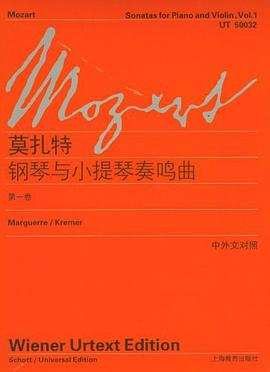
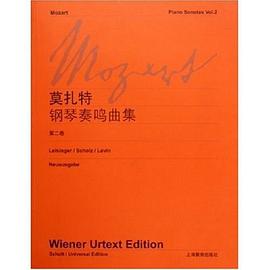
《莫扎特钢琴与小提琴奏鸣曲-第二卷(中外文对照)》,本书为莫扎特创作的著名钢琴乐谱。为专业学习钢琴演奏的常选乐谱。此次翻译引进的是维也纳原始出版社出版的净版本乐谱。该类乐谱由专业的音乐学者与音乐编辑经过多方考证最后确定, 因此具有很高的引进和翻译价值。译者为著名的音乐学者,通晓多种外语,包括英语、法语、德语等,是翻译该版本的合适人选。
莫扎特钢琴与小提琴奏鸣曲(第2卷):一瞥光辉的诞生 沃尔夫冈·阿玛多伊斯·莫扎特,这位音乐史上的璀璨巨星,其创作生涯 spanned from the nascent stages of Classical style to its zenith, leaving behind a legacy of unparalleled breadth and depth. Among his vast output, the sonatas for piano and violin stand as particularly intimate and eloquent expressions of his genius. This collection, "莫扎特钢琴与小提琴奏鸣曲(第2卷)" (Mozart: Piano and Violin Sonatas, Vol. 2), offers a curated selection from this vital body of work, inviting listeners and performers alike into the heart of Mozart's compositional process and the evolving dialogue between two of the era's most significant instruments. The piano and violin sonata, in Mozart's hands, was not merely a chamber music form; it was a fertile ground for dramatic contrast, melodic invention, and profound emotional exploration. Unlike earlier forms where the keyboard often dominated, or later Romantic interpretations that emphasized virtuosic display, Mozart's sonatas achieve a remarkable balance, fostering a true partnership between the two instruments. The violin, with its singing tone and capacity for delicate ornamentation, finds a perfect foil in the piano's percussive clarity and harmonic richness. This interplay, carefully orchestrated by Mozart, creates a tapestry of sound that is both intellectually stimulating and deeply moving. This second volume delves into a selection of works that exemplify the composer's maturity and his increasing mastery of this intimate genre. Each sonata within this collection is a distinct universe, born from a specific moment in Mozart's life and career, yet all are bound by the indelible stamp of his unique voice. To truly appreciate these pieces, one must consider the context of their creation. Mozart, a child prodigy who quickly rose to international fame, was a prolific composer driven by both innate inspiration and the demands of his patrons and the burgeoning public concert scene. His sonatas for piano and violin were often intended for performance, either in private salons or public recitals, and as such, they possess an inherent theatricality and an engaging directness. The compositions featured in this volume showcase Mozart's remarkable ability to weave intricate melodic lines, develop thematic material with inexhaustible ingenuity, and craft harmonies that are both sophisticated and readily accessible. The influence of his predecessors, such as J.S. Bach and Haydn, is discernible, yet Mozart invariably transcends these foundations, infusing his music with a personal flair that is unmistakably his own. The clarity of form, characteristic of the Classical era, is present, but within these established structures, Mozart imbues his music with a spontaneous energy and a profound expressiveness that anticipates the Romantic spirit. The piano part in these sonatas is far from being a mere accompaniment. It is an equal partner, often carrying melodic responsibilities, engaging in contrapuntal dialogue with the violin, and providing a robust harmonic foundation. The demands placed upon the pianist are considerable, requiring not only technical prowess but also a keen understanding of phrasing, dynamics, and articulation to bring out the nuanced interplay with the violin. Similarly, the violinist must possess a lyrical tone, impeccable intonation, and the agility to execute intricate passages with grace and precision. The successful performance of these sonatas, therefore, hinges on a deeply collaborative spirit between the two musicians, a shared understanding of Mozart's intentions, and a willingness to explore the full expressive range of their instruments. Within this collection, one can observe the evolution of Mozart's compositional techniques. The early sonatas within this volume might still bear traces of youthful exuberance and a more conventional approach to form. However, as the volume progresses, the listener will encounter works that demonstrate a heightened sense of drama, a more complex harmonic language, and a greater psychological depth. The tripartite structure (fast-slow-fast) is often employed, allowing for a range of emotional expression, from the vivacity of the outer movements to the introspective beauty of the slow movements. The slow movements, in particular, are often where Mozart's lyrical genius shines brightest. Here, the melodies unfold with a heartbreaking simplicity, imbued with a profound sense of pathos and introspection. The dialogue between the instruments becomes more intimate, more conversational, as they explore the subtle nuances of human emotion. These movements can range from tender lullabies to moments of intense, almost operatic, emotional outpouring. The fast movements, conversely, are often characterized by their infectious energy, sparkling wit, and dazzling technical demands. They are a testament to Mozart's unparalleled gift for melody and his ability to craft music that is both intellectually stimulating and viscerally exciting. The interplay between the piano and violin in these movements is often a playful dance, a spirited exchange of ideas, and a celebration of pure musical invention. The rhythmic vitality and the inventive use of articulation contribute to the irresistible drive and charm of these sections. The structure of each sonata, while adhering to Classical conventions, is infused with Mozart's individual genius. He masterfully develops his themes, presenting them in various guises, transforming them, and building them into complex and satisfying structures. The development sections, in particular, often reveal the full extent of his harmonic imagination and his ability to create tension and release. The recapitulations are not mere repetitions but often feel like a triumphant return, a reassertion of the main thematic material with renewed energy and conviction. Furthermore, the sonatas within this volume offer a window into the social and cultural landscape of Mozart's time. These were not abstract musical exercises; they were pieces intended for performance and enjoyment by audiences who were increasingly appreciating instrumental music. The accessibility and immediate appeal of Mozart's music ensured its popularity, and these sonatas were undoubtedly a significant part of his public and private repertoire. They speak to a time when musical performance was an integral part of social life, and when the shared experience of listening to beautiful music fostered a sense of community and refined sensibility. The pedagogical value of these sonatas is also undeniable. For students of piano and violin, they represent an essential part of the repertoire, offering a rich training ground for developing technical skills, musical understanding, and expressive capabilities. The challenges they present, while significant, are ultimately rewarding, leading to a deeper appreciation of musical artistry and a more profound connection with the Classical style. This "莫扎特钢琴与小提琴奏鸣曲(第2卷)" is more than just a collection of musical scores; it is an invitation to engage with one of the most extraordinary musical minds in history. It is an opportunity to witness the birth of a musical language that continues to captivate and inspire audiences centuries later. The intricate dialogues, the soaring melodies, the moments of profound introspection, and the bursts of sheer joy – all these elements converge in these sonatas to create a body of work that is at once intellectually rigorous and deeply emotionally resonant. To immerse oneself in these pieces is to embark on a journey through the heart of the Classical era, guided by the incomparable genius of Wolfgang Amadeus Mozart. Each note, each phrase, each movement, reveals a facet of his multifaceted talent, a testament to his enduring legacy and his profound understanding of the human spirit.