

具体描述
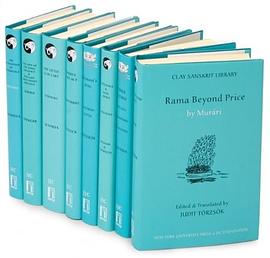
Finally, the ancient gems of classical Sanskrit literature are available to a wide audience. This literature combines great beauty, enormous variety, and more than 3,000 years of continuous history and development. The Clay Sanskrit Library makes everything easier for any reader: the Sanskrit text, written in familiar Roman letters, faces a fresh English translation, and the convenient pocket size is both elegant and practical. This exciting collection includes many volumes from the two beloved Indian epics, the Ramayana and the Maha*bharata, in addition to other classics of Sanskrit literature. Each book is published in a jacketed hardcover edition, in a compact 4.5" x 6.5" format, designed to bring the literature of India to the general public, scholars, and students. For many interested readers, access to this vast treasure store has been hindered by an unfamiliar language and a difficult script. The new Clay Sanskrit Library makes everything easier: the Sanskrit text, written in familiar Roman letters, faces the English translation, and the convenient pocket size is both elegant and practical. Twenty-eight leading scholars from eight countries cooperated to produce fresh new translations that combine readability and accuracy. The first twelve titles appeared in February 2005, and by 2009 the library was completed with 56 published volumes. The selection includes drama, poetry and novels, together with the famous epics. The Library is now also available as a 56-volume complete set, as well as in six thematic mini-sets, grouped for readers interested in specific areas of the world of classical Sanskrit literature. The mini sets, available at discounts, are as follows: 1. Epic: Mahabharata (15 volumes); 2. Epic: Ramayana (5 volumes); 3. Religion (10 volumes); 4. Poetry (9 volumes); 5. Plays (8 volumes); and 6. Story Collections, Tales, Narratives, and Fables (9 volumes). Introduction to the Clay Sanskrit Library By John Clay The great national epics of India, the Maha*bharata and the Ramayana, reached their definitive form around the beginning of the common era. By their authority and comprehensive character they dominated Hindu literature for several centuries, as familiar episodes and themes were reworked. But Buddhism and Jainism developed their own literary traditions. From early in the common era, a vast creative literature of novels, short stories, plays and poetry began to develop. Some took their subject matter from the national epics or the Buddhist scriptures, but many other sources also provided inspiration. This new literary culture was vibrant and vivid. The dramatists wrote plays about palaces full of dancing girls, and gardens where peacocks screeched at the approach of the monsoon and elephants trumpeted in the stables, eager for combat or mating. Courtiers intrigued for influence and promotion. Merchants set off on their voyages with sadness at separation, and returned with joy and vast profits. The six seasons spun by at breakneck speed. Lovers kept their trysts in the cane groves down by the river. Holy men preached that worldly pleasures were worthless, and often were exposed as hypocrites. This second flowering of a classical Sanskrit literature lasted for more than a millenium. We shall bring to a worldwide audience the entire text of the two national epics, and fifty or more titles from the heyday. We hope that readers will find much to enjoy.
作者简介
目录信息
读后感
评分
评分
评分
评分
用户评价
我是在一位研究古典哲学的导师的推荐下开始接触这套书系的,坦白讲,起初我主要是被它“图书馆”这个名号所吸引,想象着能在这里找到一些失传已久的智慧结晶。这本书的排版布局非常考究,采用了那种严谨的、双栏对开的设计,中间留有足够的空白用于批注和思考,这对于深入研究的学者来说,简直是福音。它不像许多当代出版物那样追求花哨的图文混排,而是将重点完全放在了文本的纯粹性上。当然,对于非专业人士来说,直接阅读原典无疑是巨大的挑战,但即便只是对照着导论和注释部分,你也能窥见那些古老思想体系的宏大框架和精妙逻辑。我个人觉得,它最大的价值在于提供了一种“原汁原味”的接触机会,绕开了太多二手诠释的过滤层,让读者得以直接面对那些构建了印度思想史的基石文本。那种与古代智者面对面交流的错觉,是阅读其他译本难以企及的深度体验。
评分坦白地说,我购买这套书的初衷,其实是想更好地理解当代南亚文学和艺术评论中那些频繁引用的典故和母题的真正出处。这套书的编纂体例非常清晰,每一册都有详细的引言,帮助读者快速定位到该文本的历史背景和核心议题。我发现,许多我在现代作品中读到的关于“业报”、“解脱”或者“审美鉴赏”的讨论,在这套书中找到了它们最原始、最精炼的表达。虽然阅读过程必然是缓慢且充满查阅的,但我很享受这种“考古式”的阅读方法。每一次成功地将书中的一个概念与我已知的现代知识体系连接起来时,那种“啊哈”的瞬间,带来的满足感是无与伦比的。这套书的价值,不在于它能快速提供答案,而在于它能精准地指出问题的起源,为我们理解整个印度文化脉络提供了一张无与伦比的底图。
评分这套书带给我最深切的体会,是关于“时间性”的认识。当我们翻阅这些古老的卷册时,我们不仅仅是在阅读文字,更是在感受历史的厚重感。每一页都仿佛在低语着数千年前人们是如何思考宇宙、生命和神祇的。它的内容,虽然关于宗教和哲学,但其所蕴含的人类普世情感——对意义的追寻、对苦难的超越、对完美的向往——却是超越了文化和时代的鸿沟的。我发现,阅读这套书的过程,实际上是一场精神上的“静修”,需要极大的耐心和沉浸感。它不是那种可以消遣式的阅读材料,它要求你放慢脚步,与文本进行深度对话。正是这种近乎于仪式感的阅读体验,让我对人类文明的创造力产生了新的敬畏。
评分这本书,我得说,简直是场视觉盛宴,装帧设计本身就透露着一股沉甸甸的历史感和对学术的敬畏。皮革封面的纹理、烫金书名的字体选择,无不体现出出版方对这套丛书的珍视。当我第一次把它抱在怀里的时候,那种份量感,不是说它沉得压手,而是它承载的知识的厚度,让人油然而生一种庄重的期待。我尤其喜欢它内页纸张的选择,那种略微泛黄的米白色,既保护了眼睛,又模拟出了古籍的触感,使得每一次翻阅,都像是在进行一次穿越时空的对话。虽然我个人对于具体的梵文内容可能理解得不够深透,但光是能拥有这样一套实体书,摆在书架上,就足以让我感到一种知识的富足。它不仅仅是书,更像是一件值得珍藏的艺术品,那种实体书独有的、油墨混合着纸张纤维的味道,是任何电子阅读器都无法替代的体验。我常常在周末的午后,泡上一杯茶,只是摩挲着它的封面,感受着这份跨越千年的文化遗产的重量。
评分从一个业余爱好者的角度来看,我必须赞扬这套丛书在可读性上的努力,尤其是在拉丁文翻译和校注方面所下的功夫。我深知,将如此古老、如此依赖特定语境的文本翻译成现代语言是一项浩大的工程,稍有不慎便会失真。这本书所呈现的译本,在保持学术严谨性的同时,尽量避免了晦涩难懂的“翻译腔”,使得即便是像我这样,对梵文只停留在表面认识的读者,也能大致把握住文本的叙事线索和哲学思辨的方向。更棒的是,它收录的校勘记和注释部分,虽然篇幅巨大,但却是理解文本流变的关键。它不只是告诉你“这段话是什么意思”,还会告诉你“在不同的手稿版本中,这句话是如何演变的”,这种对文本权威性的尊重和细致入微的考证,极大地提升了阅读的信心。
评分 评分 评分 评分 评分相关图书








本站所有内容均为互联网搜索引擎提供的公开搜索信息,本站不存储任何数据与内容,任何内容与数据均与本站无关,如有需要请联系相关搜索引擎包括但不限于百度,google,bing,sogou 等
© 2026 book.quotespace.org All Rights Reserved. 小美书屋 版权所有