

具体描述
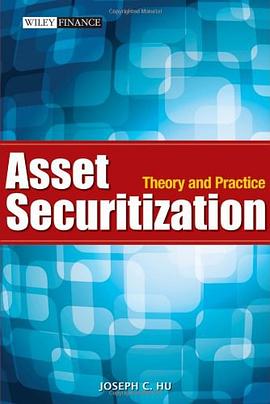
Asset Securitization is intended for beginners and market professionals alike who are interested in learning about asset securitization—its concepts and practices. It is designed so that the readers will come away with a fundamental but comprehensive understanding of the asset securitization market. As such, the book aims to provide a review of the market’s development, necessary framework, potential benefits, and detailed descriptions of major asset securitization products. Part I of the book, which consists of four chapters, will discuss the fundamental concepts, the funding efficiency, the market participants, and the potential benefits of asset securitization. An analysis of mortgage finance will be provided in Part II, which consists of six chapters that cover a variety of topics from the description of many different types of residential mortgages to the securitization of different types of residential mortgages, including the now infamous sub-prime mortgages. Also included are important topics, such as prepayments, cash flow structure, maturity and credit tranching, and the trading and relative value of the various mortgage-backed securities. The three chapters in Part III will explain the other major asset securitization products, such as commercial mortgage-backed securities, credit card receivable-backed securities, auto loan-backed securities, and collateralized bond obligations. Part IV has two chapters: one reviews the collapse and the potential recovery of the asset securitization market, and the other describes the asset securitization efforts in Japan, Australia, Taiwan, and China. Extensive tables and charts are presented to help illustrate a concept or describe a product. Neither analytical discussions nor investment strategies of the various asset-backed securities are included as they are not the focus of this book.
作者简介
目录信息
读后感
评分
评分
评分
评分
用户评价
坦白说,一开始我拿到《Asset Securitization》这本书时,并没有抱有太高的期望,觉得可能又是一本晦涩难懂的专业书籍,对于我这样并非金融科班出身的人来说,阅读起来会非常吃力。然而,当我真正沉浸其中后,我发现我错了,而且错得离谱。这本书的叙述方式非常平易近人,作者巧妙地运用了很多比喻和生动的例子,将资产证券化的复杂概念,比如“SPV”(特殊目的实体)的作用、不同“Tranches”的信用等级划分、以及“Cash Flow Waterfall”(现金流瀑布)的分配机制,都解释得清晰易懂。我特别喜欢书中对“资产池”的描述,它就像是一片肥沃的土地,上面生长着各种各样的“现金流果实”,而资产证券化就是一种将这些果实收集、加工、包装,并最终转化为投资者可以方便购买和交易的“水果礼盒”的过程。它让我理解了,资产证券化不仅仅是金融技术的堆砌,更是一种将未来现金流价值提前变现的艺术。书中对不同资产类别(如商业房地产贷款、学生贷款等)的证券化案例分析,也让我看到了资产证券化在不同领域的应用潜力。它不仅仅局限于传统的住房贷款,而是能够涵盖各种能够产生稳定现金流的资产。这本书给我最大的启发是,它让我意识到,许多我们日常生活中看似普通的资产,在金融工程师的手中,能够被赋予新的生命和价值。它不仅仅提升了我对金融工具的认识,更重要的是,它激发了我对“金融创新”本身的思考,让我开始去观察和理解,金融是如何通过不断的设计和重组,来满足市场日益增长的融资需求和投资偏好的。
评分一本真正能点亮我投资之路的书籍,我必须得说,《Asset Securitization》不仅仅是一本关于金融工具的书,它更像是一本关于如何理解和驾驭风险,如何寻找隐藏价值的智慧宝典。在阅读这本书之前,我对资产证券化这个概念,总觉得是银行家们在高谈阔论的专业术语,与我这个普通投资者似乎有些距离。然而,这本书用一种极其生动且富有逻辑的方式,将原本晦涩难懂的复杂结构,一一拆解,化繁为简。作者并非直接灌输理论,而是通过大量的案例分析,让我得以窥见资产证券化的实际运作,理解它如何将看似分散、低流动性的资产,通过精巧的结构设计,转化为能够吸引广泛投资者的可交易证券。我尤其欣赏它对于不同类型资产如何被证券化的深入剖析,无论是按揭贷款、汽车贷款,还是信用卡应收款,书中都给出了详尽的解释,并且循序渐进地引导我理解其中的风险与收益是如何被切割、定价和转嫁的。阅读过程中,我不再是被动接受信息,而是积极地思考,尝试去模拟投资者的决策过程,去感受市场对不同证券的反应。它让我明白,资产证券化并非洪水猛兽,而是一种能够提升资产流动性,分散风险,并为不同风险偏好的投资者提供多样化选择的重要金融创新。这本书带来的最深刻改变,在于它重塑了我对“资产”的认知,让我开始更关注资产背后的现金流,更关注那些能够被有效管理和重组的价值,而不仅仅是表面的价格波动。它无疑为我的投资视野打开了一扇全新的窗户,让我对金融市场的运作有了更深刻、更全面的理解,甚至开始思考如何在未来的投资组合中,更有效地利用资产证券化带来的机会。
评分From the moment I began to read "Asset Securitization," I was struck by its intellectual rigor and its practical relevance. The author has a unique ability to articulate complex financial concepts in a manner that is both accessible and intellectually stimulating, transforming what could be a dry subject into a compelling narrative. The book’s strength lies in its comprehensive exploration of the entire securitization lifecycle, from the initial origination of assets to the ultimate trading of securitized securities in the secondary market. I was particularly impressed with the detailed analysis of different types of securitization structures, such as those backed by residential mortgages, commercial mortgages, auto loans, and even future revenue streams. The book meticulously outlines the legal and operational frameworks that govern these transactions, offering a holistic view of the asset securitization landscape. The author’s insights into how financial institutions utilize securitization to manage their balance sheets, generate fee income, and access diverse funding sources were profoundly informative. It illuminated the strategic importance of securitization as a financial tool, going beyond mere transaction execution to encompass broader financial management and capital planning. The discussion on the regulatory environment surrounding asset securitization, including the evolving standards and oversight mechanisms, provided crucial context. It underscored the delicate balance between fostering financial innovation and ensuring market stability, a theme that resonates throughout the book. This work is not merely an academic exercise; it's a masterclass in understanding a critical component of modern finance, equipping the reader with the knowledge to navigate and comprehend its multifaceted implications.
评分《Asset Securitization》这本书,对我而言,不仅仅是一本金融工具的说明书,更像是一份关于“价值创造”的深度剖析报告。我一直对那些能够将“沉睡的资产”唤醒,并使其产生巨大价值的金融操作感到好奇,而资产证券化,正是其中最典型的一个例子。作者的笔触非常“细腻”,他没有回避资产证券化过程中可能存在的复杂性和潜在的风险,反而通过对历史案例的深入研究,揭示了这些风险是如何产生,又如何被化解的。我尤其欣赏书中对“资产池质量”的重视。它让我明白了,任何金融创新,其基础都必须是健康的、有现金流产生能力的资产。资产证券化之所以能够成功,很大程度上是因为它建立在对资产质量的严格筛选和对未来现金流的审慎预测之上。书中对“增信措施”的详尽介绍,比如超额抵押、第三方担保、信用保险等,更是让我看到了金融工程师们如何运用各种智慧,来降低投资者的风险顾虑,从而吸引更多的资金参与到证券化交易中。我特别喜欢书中对“期限错配”的讨论。它让我理解了,资产证券化如何通过结构设计,来弥合资产方和投资者之间的期限差异,满足双方的不同需求。这本书让我看到了金融市场并非一个简单的买卖场所,而是一个充满智慧、创新和风险管理的复杂生态系统。它不仅提升了我对资产证券化这一金融工具的认知,更重要的是,它让我开始从一个更宏观的视角去理解金融如何服务于实体经济,如何成为推动经济发展的重要力量。
评分在接触《Asset Securitization》这本书之前,我总觉得金融世界的运转,就像是一个由无数齿轮组成的巨大机械,而资产证券化,则是我一直试图理解却始终不得其法的那个关键的“传动装置”。这本书的出现,就像是一把钥匙,为我打开了这扇神秘的大门。作者的叙述风格极其“线性”,他没有跳跃式地介绍概念,而是循序渐进地引导读者,从最基础的“资产池”概念开始,逐步深入到复杂的“SPV”结构、信用增级技术,以及最终形成各种“证券”的过程。我尤其被书中对“现金流匹配”的精妙设计的讲解所打动。它让我理解了,资产证券化不仅仅是将资产打包,更是将资产未来预期产生的现金流,与投资者对收益的要求进行匹配的过程。书中对不同“Tranches”的现金流分配顺序的详细说明,就像是在描绘一幅精细的“现金流分配图”,每一种证券都扮演着不同的角色,承担着不同的风险,同时也获得了相应的回报。我特别欣赏书中对“风险隔离”的探讨。它让我明白了,通过SPV的设立,可以将特定资产的风险与原始发行方的风险进行有效的隔离,从而降低了整体的风险暴露。阅读这本书,我不再是被动地接受信息,而是积极地去思考,如果我是投资者,我会如何评估这些证券的风险和收益;如果我是发行方,我又会如何设计一个能够满足融资需求且风险可控的证券化方案。它极大地拓宽了我对金融工具的认知边界,让我看到了金融创新如何能够提升资本效率,如何为经济发展提供更灵活的融资渠道。这本书无疑是我金融知识学习道路上的一座里程碑。
评分我 must confess, when I first picked up "Asset Securitization," I was bracing myself for a dense, theoretical treatise, the kind that leaves you squinting at complex equations and feeling more confused than enlightened. However, what unfolded before me was an entirely different experience. The author has a remarkable talent for demystifying what is, by its very nature, a complex financial architecture. The book doesn't just define terms; it builds understanding through a narrative that feels almost intuitive. I was particularly captivated by the detailed explanations of how various asset classes – from the familiar mortgage loans to more specialized receivables like auto loans and credit card debt – are meticulously transformed into tradable securities. The book meticulously dissects the anatomy of these transactions, laying bare the mechanics of pooling, tranching, and credit enhancement. It’s like being given a masterclass in financial engineering, but one that’s accessible and engaging. The author’s ability to illustrate the interplay of risk and reward within these structures is nothing short of brilliant. You begin to grasp not just *what* happens, but *why* it happens, and how different investors, with varying risk appetites and return expectations, can find opportunities within these securitized products. The insight into how illiquid assets can be converted into liquid instruments, thereby enhancing market efficiency and providing vital funding for various sectors, was a revelation. This book has fundamentally altered my perspective on how financial markets function, revealing a layer of sophistication and innovation that is both fascinating and incredibly impactful on the broader economy. It’s a deep dive that rewards patient readers with a profound understanding of a cornerstone of modern finance.
评分《Asset Securitization》这本书,对我来说,更像是一场深入金融“心脏”的探险之旅。在此之前,我一直对金融市场中的各种“创新”持有一种审慎的态度,总觉得那些复杂的金融产品,距离普通人的生活太过遥远,而且往往伴随着潜在的风险。然而,这本书的阅读体验,彻底改变了我的看法。作者以一种非常“结构化”的思路,层层剥茧,将资产证券化这一看似庞大而复杂的体系,分解成了一个个清晰可辨的模块。我印象最深刻的是,书中对“信用评级机构”在资产证券化过程中的角色和作用的分析。它让我明白了,为什么一些看似风险较高的资产,在经过一系列的结构化设计和信用增级后,能够获得相对较高的信用评级,从而吸引更广泛的投资者。这背后,不仅仅是数学模型的计算,更是对资产质量、结构设计和市场预期的综合考量。书中对“流动性”和“风险转移”这两个核心概念的深入阐释,更是让我豁然开朗。它让我理解了,资产证券化如何通过将非流动性的资产转化为可交易的证券,从而提升了整个金融市场的效率;同时,它又如何通过将风险分配给最能承受的参与者,实现了风险的有效管理。我尤其欣赏书中对“次贷危机”的案例分析,它并没有止步于描述危机的发生,而是深入剖析了其背后资产证券化结构设计中的缺陷和监管的漏洞。这本书让我明白,金融创新是一把双刃剑,关键在于如何平衡创新与风险,如何通过有效的监管来确保金融体系的稳定。它为我提供了一个前所未有的视角,去理解金融市场如何运转,以及资产证券化在其中扮演的重要角色,是一本真正让我受益匪浅的书籍。
评分对于我这样一个对金融市场抱有持续好奇心的爱好者来说,《Asset Securitization》这本书无疑是填补了我知识体系中的一个重要空白。在此之前,我对“资产证券化”这个词汇的理解,仅限于新闻报道中的片面提及,总感觉它与“次贷危机”等负面新闻联系在一起,因此对它抱有一种敬而远之的态度。然而,这本书却以一种非常客观且全面的视角,带领我重新审视了资产证券化这一金融工具的本质。作者并没有回避其潜在的风险,反而花了大量的篇幅去分析在不同历史时期,资产证券化是如何运作的,以及在某些情况下,其内在的风险是如何被放大和传播的。我尤其欣赏书中对风险管理在资产证券化过程中的核心地位的强调。它不仅仅是关于如何将资产打包出售,更是关于如何在这个过程中,对资产本身的质量进行严格的评估,如何设计合理的信用增级措施,以及如何构建有效的监管框架来防范系统性风险。书中对不同司法管辖区的相关法律法规的介绍,也让我意识到,资产证券化的发展与监管环境息息相关,是一个受到多方面因素影响的复杂生态系统。阅读这本书,我仿佛置身于一场金融历史的回溯,理解了从早期的住房抵押贷款证券化,到后来不断演进的各种复杂结构,每一步都伴随着创新与挑战。它让我明白,金融工具本身是中性的,其价值和风险取决于如何设计、如何使用以及如何监管。这本书的价值在于,它提供了一个360度的视角,让我能够更清晰地看到资产证券化在现代金融体系中的作用,以及它对整个经济的深远影响,是一种极具启发性的阅读体验。
评分我必须承认,《Asset Securitization》这本书在我的书架上静静地躺了一段时间,起初我以为它会是一本枯燥乏味的学术著作,充斥着我不太理解的经济模型和公式。然而,当我真正翻开它,被书中内容所吸引,我才意识到自己是多么的低估了它的价值。这本书不仅仅是介绍了资产证券化的基本概念,更重要的是,它深入探讨了这种金融工具背后所蕴含的金融工程的精妙之处。作者的叙述方式非常独特,他没有选择直接抛出大量的数据和图表,而是通过一种非常“故事化”的方式,将复杂的交易结构娓娓道来。我被书中对不同证券化交易案例的详细解读所吸引,例如,如何将一堆房贷打包成MBS(抵押贷款支持证券),再进一步分割成不同优先级的CDO(担保债务凭证),每一个环节都充满了金融智慧和风险管理的考量。书中对风险分散和信用增级技术的阐述,更是让我拍案叫绝。我开始理解,为什么资产证券化能够吸引如此多的投资者,因为它提供了一种方式,将原本被认为风险较高的资产,通过精密的结构设计,将风险有效地分配给能够承受的参与者。我特别喜欢书中对不同“Tranches”(优先级)的描述,这就像是在玩一场复杂的拼图游戏,每一块碎片都有其特定的风险和收益特征,而整体的拼图则能够满足不同投资者的需求。这本书不仅仅是关于理论,它更是关于如何将理论转化为实践,如何理解金融创新如何重塑市场格局。它让我对金融衍生品的理解,又上升到了一个新的层次,也让我对金融市场的深度和复杂性有了更直观的认识,是一种非常值得细细品味的佳作。
评分This tome, "Asset Securitization," has been an eye-opening journey into the intricate world of financial innovation. Prior to diving into its pages, my understanding of asset securitization was rather rudimentary, often confined to news headlines that occasionally painted it in a less-than-flattering light, frequently associated with economic downturns. However, the author’s methodical approach has managed to untangle the complexities and present a far more nuanced picture. What struck me most was the book's consistent emphasis on the *process* and the *structure*. It’s not just about the end product – the securitized security – but the entire ecosystem that brings it into being. The detailed breakdown of the roles played by different parties – originators, servicers, special purpose entities (SPEs), and credit enhancers – provided a comprehensive understanding of the collaborative effort involved. I found the chapters dedicated to the various credit enhancement techniques particularly illuminating. Learning about how mechanisms like overcollateralization, subordination of certain tranches, and insurance play a crucial role in mitigating risk for investors was fascinating. It’s akin to understanding the intricate safety nets designed to support a complex financial product. The book also excels in explaining the concept of cash flow waterfall, a critical element that dictates how payments are distributed among different tranches of the securitized instruments. This concept, when explained with such clarity, transforms a seemingly abstract idea into a tangible mechanism for risk allocation. The author’s ability to connect these technical details back to the broader economic implications, such as providing liquidity to capital markets and facilitating credit availability, has been incredibly valuable. It’s a book that doesn’t just inform; it educates and empowers the reader to appreciate the sophisticated engineering that underpins significant portions of the global financial system.
评分 评分 评分 评分 评分相关图书








本站所有内容均为互联网搜索引擎提供的公开搜索信息,本站不存储任何数据与内容,任何内容与数据均与本站无关,如有需要请联系相关搜索引擎包括但不限于百度,google,bing,sogou 等
© 2026 book.quotespace.org All Rights Reserved. 小美书屋 版权所有