

具体描述
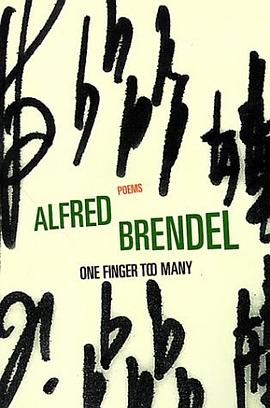
This deceptively slight volume is proof that not only good but excellent things often come in small packages. A master of the piano, Alfred Brendel here turns in a deft performance as poet, building fantastic little "word machines" of extraordinary tensile strength. We are drawn immediately into a fun-house world of suspicious but wondrous goings-on: The supernumerary index finger of the pianist in the title poem, we're told, sometimes pointed out "an obstinate cougher in the hall/or emerged from beneath his tailcoat/beckoning a lady in the third row." Elsewhere, Beethoven, disguised as Salieri, poisons a sleeping Mozart and skulks away clutching, forever, Mozart's greatest possession--the key of C minor. And the conceptual artist Christo wraps the Three Tenors on the balcony of La Scala.
These constantly surprising poems enchant even as they sting, revealing the light (and dark) side of Alfred Brendel, one of the world's greatest musicians. His followers will have to have this book, but so will anyone
who enjoys readable poetry touched by a divine madness.
Show More
Show Less
A top-drawer interpreter of Mozart, Beethoven, and Brahms, the pianist Alfred Brendel is famous for his restraint--this brilliant technician never lapses into Romantic fireworks. His first book of poetry evinces a similar modesty. Yet these brief verses, which have been effectively translated from the German by the author and Richard Stokes, also showcase a sneaky and surreal sense of humor. Like the artist he describes in one poem, Brendel is always on the lookout for the comic paradox: "When the dadaist looked into the mirror / he saw some fetching contradictions / himself and his opposite / tomfoolery and method."
Not surprisingly, many of the pieces evoke the world of classical music. The title poem asks us to imagine a pianist with a kind of utility finger, capable of clarifying a knotty passage or "beckoning a lady in the third row." Elsewhere Brendel compares the public ardor of concertizing to the more private one of sex, saddling his pianist with a truly formidable case of performance anxiety: "both reviled and spurred on by the public / painstakingly supervised by the author / who / on top of it all / has entrusted the lovers with the burden of dialogue." Still, the author's poetic interests extend considerably beyond the keyboard. One Finger Too Many is infused with a healthy dose of skepticism, and on several occasions Brendel applies the nightstick to organized religion:
And once again
the Lord of the Universe
recorded a day of good works
three religious wars launched
several tornadoes let loose
a new brand of pestilence devised
utopias planted into souls
countless children successfully harmed
a good reason
to grant oneself a moment's rest
True, a literary spitball like the above isn't about to shake the convictions of a true believer. But that's not the point. These poems are written to amuse, edify, and tickle the reader's sensibility--banging the pulpit is something that Brendel the poet (and Brendel the pianist) religiously avoids. --James Marcus
From Library Journal
Music lovers will be familiar with Brendel as a world-renowned pianist and recording artist. They may also be familiar with his essays and lectures on musical subjects, in which he has been known to ask, "Must Classical Music Be Entirely Serious?" and in which he lists "laughing" as his favorite occupation. He singles out the cartoons of Charles Addams, Edward Gorey, and Gary Larson as favorite minor muses, and so it is not surprising that this most recent foray into poetry is a winsome m?lange of unfettered whimsy and gnomic wit. Perhaps the flavor of this slender volume is best captured by a poem in which a Dadaist looks in the mirror to see "some fetching contradictions/ himself and his opposite," "tomfoolery and method," "sense within nonsense," "anarchy and poise," "Beethoven mustachioed, [and]...even little Jesus...with his tongue stuck out of course." One other stylistic contradiction perhaps should be mentioned: the sheer readable fun of these verses packaging powerful, if enigmatic, truths. Recommended for all public libraries.AThomas F. Merrill, Univ. of Delaware, Newark
Copyright 1999 Reed Business Information, Inc.
From Kirkus Reviews
Celebrity poetrywhether by a fetching folksinger (Jewel), a sincere ex-president (Jimmy Carter), or, in this case, a world- class concert pianistis always ruled by one fact: it wouldnt be printed were it not for its authors extra-literary fame. This Austrian-born musician, whos written two volumes of essays on music, contributes nothing of permanence to the literary canon, but that seems beside the point. His fans will no doubt enjoy these short jottingspoems by virtue of their loose syntax, short- line phrasings, and lack of punctuation. A moralist and fabulist, Brendel displays his good taste and breeding everywhere in these sometimes absurdist little narratives. The title derives from a line in Finger, about a pianist with an extra index finger, a poem that embodies many of Brendels recurring themes: performance anxiety, the burdens of fame, and annoying audiences. Many poems concern the stageactors who have to simulate lovemaking every night; what happens when Godot finally arrives; and another actor preparing to play Othello. The great composers dot these pages, often in fantastical short sketches: their ghosts visit an old woman at night; Brahms fidgets impolitely and stinks of cigars; and Beethoven conspires murderously against Mozart. Brendels skepticism reveals itself in politically tinged poems about leaders who stop laughing; self-important opinion-makers; and empty heroism. But the poet reserves his strongest rebuke for unruly audiencesthe coughers, sneezers, and clappers among us. Celebrity verse for high-brow concertgoers, who will be properly amused. -- Copyright ©1999, Kirkus Associates, LP. All rights reserved.
Review
"I have hugely enjoyed Alfred Brendel's unexpected One Finger Too Many. Brendel's poems are trapdoors into his dream-life, witty, Dadaesque and subversive--especially of his own grandeur as a musician."
--A. Alvarez, Times Literary Supplement, International Books of the Year
"Alfred Brendel's poems are a delight. His voice is wonderfully eccentric, droll, sly, mischievous--the same brilliant fingers making a new sound." --Harold Pinter
"Alfred Brendel, the poet, is a master of interruptions, of swerves and indirections, of jokes that land where no one is looking. A lucid hilarity--sometimes tinged with delicate melancholy--reigns throughout these poems."
--Michael Wood
"Unique...often brilliant and surprising....Most refreshingly, Brendel can capture the 'serious' without taking himself seriously....A book of great wit and humour."
--The Observer (London)
Language Notes
Text: English (translation)
Original Language: German
From the Inside Flap
This deceptively slight volume is proof that not only good but excellent things often come in small packages. A master of the piano, Alfred Brendel here turns in a deft performance as poet, building fantastic little "word machines" of extraordinary tensile strength. We are drawn immediately into a fun-house world of suspicious but wondrous goings-on: The supernumerary index finger of the pianist in the title poem, we're told, sometimes pointed out "an obstinate cougher in the hall/or emerged from beneath his tailcoat/beckoning a lady in the third row." Elsewhere, Beethoven, disguised as Salieri, poisons a sleeping Mozart and skulks away clutching, forever, Mozart's greatest possession--the key of C minor. And the conceptual artist Christo wraps the Three Tenors on the balcony of La Scala.
These constantly surprising poems enchant even as they sting, revealing the light (and dark) side of Alfred Brendel, one of the world's greatest musicians. His followers will have to have this book, but so will anyone
who enjoys readable poetry touched by a divine madness.
From the Back Cover
"I have hugely enjoyed Alfred Brendel's unexpected One Finger Too Many. Brendel's poems are trapdoors into his dream-life, witty, Dadaesque and subversive--especially of his own grandeur as a musician."
--A. Alvarez, Times Literary Supplement, International Books of the Year
"Alfred Brendel's poems are a delight. His voice is wonderfully eccentric, droll, sly, mischievous--the same brilliant fingers making a new sound." --Harold Pinter
"Alfred Brendel, the poet, is a master of interruptions, of swerves and indirections, of jokes that land where no one is looking. A lucid hilarity--sometimes tinged with delicate melancholy--reigns throughout these poems."
--Michael Wood
"Unique...often brilliant and surprising....Most refreshingly, Brendel can capture the 'serious' without taking himself seriously....A book of great wit and humour."
--The Observer (London)
作者简介
Alfred Brendel was born in 1931 in Moravia. He is one of this century's most widely respected pianists and classical recording artists. Among Mr. Brendel's numerous awards are honorary doctorates from London, Oxford, and Yale universities. He has also published two collections of essays about music. One Finger Too Many is his first book of poetry in English.
Richard Stokes teaches languages at Westminster School, London. His most recent book is A French Song Companion, written with Graham Johnson. His translation of Wagner's Parsifal will premiere soon at the English National Opera
目录信息
读后感
评分
评分
评分
评分
用户评价
这是一部彻头彻尾的“氛围制造机”。如果你追求的是那种清晰的因果链条和明确的道德判断,这本书绝对会让你大失所望。它的核心在于氛围的营造,那种弥漫在字里行间的,湿冷、陈旧、带着腐朽气息的压抑感。作者对于环境的描写达到了可以被感知的程度,你仿佛能闻到书页上散发出的霉味,能听到远方传来的模糊的、不祥的低语。故事本身非常松散,角色们更像是被命运推着走的木偶,他们之间的互动充满了误解和隔阂,很少有真正意义上的沟通。我印象最深的是书中描绘的一个持续了三十多页的雨夜场景,看似什么都没有发生,但作者却通过对光影、声音和水珠滑落轨迹的细致捕捉,构建了一种极致的紧张感,让人屏住呼吸,生怕任何一个声响打破了那脆弱的平衡。这本书不需要一个完美的结局来证明自己的价值,它的价值在于这段旅程本身,在于它如何不动声色地渗入你的潜意识,让你在接下来的几天里,看世界的眼光都变得略微不同,带着一丝不易察觉的疏离和警惕。
评分这本书,初读时我有些踌躇,毕竟书名本身就带有一种故作玄虚的意味,让人不禁揣测其中究竟隐藏着何种奇诡的故事。然而,一旦翻开扉页,那文字的洪流便以一种近乎野蛮的姿态将你卷入其中。作者的笔触极为细腻,对于场景的描绘简直可以用令人窒息来形容,仿佛每一个角落的灰尘、每一缕穿过窗棂的光线,都带着生命和秘密。故事的主线并非那种大开大合的史诗叙事,而更像是一张错综复杂的蜘蛛网,由无数条若有似无的线索编织而成。我尤其欣赏作者在人物塑造上的功力,那些行走在命运边缘的角色,他们的动机模糊不清,行为逻辑充满了反直觉的真实感。一个看似微不足道的配角,在不经意间却能抛出一个足以颠覆你之前所有认知的细节。读完整本书,我感觉自己像是经历了一场漫长而艰辛的考古发掘,不断地清理着泥土和碎石,试图拼凑出那个远古而又鲜活的真相。它不是那种读完后会让你拍案叫绝的爽文,而更像是一口陈年的老酒,后劲十足,需要你细细品味那些潜藏在字里行间的微光。那种被引导着、却又不断被背叛的阅读体验,让人欲罢不能,每次合上书页,脑海中都会留下挥之不去的画面和挥之不去的疑问。
评分我得承认,在阅读这本书的开头部分时,我差点就放弃了。开篇的几章充满了晦涩的哲学思辨和大量不加解释的术语,让人感觉仿佛误入了一堂高深的专业讲座,而不是一本可以放松身心的读物。那些句子结构复杂到需要反复回读才能理解其基本含义,更别提其中蕴含的深层逻辑了。但我的好奇心,或者说,一种作者设下的“陷阱”成功地抓住了我。一旦越过了那道陡峭的入门门槛,文字的力量便开始显现出来。作者展现出一种近乎偏执的对语言精确性的追求,每一个词语的选择都像是经过了无数次的称量和打磨,容不得一丝含糊。这本书的结构极其非线性,时间线像是被揉成了一团毛线球,不同年代的事件、不同人物的记忆交织在一起,没有明确的标签来区分。这使得阅读体验充满了不确定性,你永远不知道下一页会带你回到过去,还是会跳跃到某个不相关的未来片段。我喜欢这种挑战,它迫使我必须主动构建叙事,而不是被动接受,这是一种非常罕见的、需要读者积极参与创作的文学体验。
评分坦白说,这本书的阅读体验,更像是一场对耐心的严峻考验。情节的推进慢得仿佛时间本身都被拉伸了,每一个转折都显得犹豫不决,仿佛作者在叙述的过程中也在不断地与自己的初衷搏斗。如果你期待的是那种环环相扣、节奏明快的推理小说,那么这本书可能会让你感到极度的不耐烦。它的魅力恰恰在于这种“慢”,在于那些被刻意拉长的、近乎冗余的内心独白和环境渲染。作者似乎对外部世界的喧嚣不感兴趣,他更热衷于描摹角色内心那片永恒的灰色地带。我花了很长时间才适应这种叙事腔调,它要求你必须完全沉浸进去,去体会那种被困在角色视角里的那种无助和迷茫。书中的符号学运用达到了一个令人咋舌的高度,很多日常的物件,比如一个生锈的门把手、一盏忽明忽灭的灯,都被赋予了沉重的象征意义,你需要不断地停下来,查阅资料,甚至对着空气进行推演,才能勉强跟上作者的思路。这种阅读过程是艰辛的,但当你最终捕捉到那些碎片化的意义,并将其串联起来时,所获得的成就感也是其他类型小说无法比拟的。它挑战的不是你的智商,而是你的心智广度和对“美学”的接受范围。
评分初读此书,我最直观的感受是作者的“疏离感”是如此强大。他仿佛站在一个极高、极冷的位置俯瞰着笔下的一切,对角色的痛苦和挣扎保持着一种近乎科学实验般的冷静观察。这种叙事视角非常独特,它剥离了传统小说中常见的煽情元素,使得读者无法轻易地对任何一个角色产生强烈的共情,反而被迫以一种抽离的、分析性的角度去审视他们。这本书的语言风格是高度书面化的,充满了复杂的从句和罕见的词汇,与其说是“阅读”,不如说是对古老文献的“解读”。我发现,作者似乎对“真相”本身并不感兴趣,他感兴趣的是“追寻真相的过程”是如何腐蚀和重塑一个人的心智。书中大量的留白和未完成的对话,并非是作者的疏忽,而是精心设计的陷阱,它们迫使读者必须填补这些空缺,用自己对世界的理解去完成这件未竟之作。因此,这本书的“最终版本”在每个读者心中都是独一无二的。它不是提供答案的工具,而是激发思考的催化剂,它要求你的头脑保持百分之百的警觉,否则你很快就会迷失在这文字的迷宫之中。
评分 评分 评分 评分 评分相关图书








本站所有内容均为互联网搜索引擎提供的公开搜索信息,本站不存储任何数据与内容,任何内容与数据均与本站无关,如有需要请联系相关搜索引擎包括但不限于百度,google,bing,sogou 等
© 2026 book.quotespace.org All Rights Reserved. 小美书屋 版权所有