

具体描述
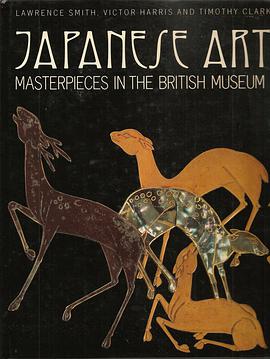
Japanese Art: A Voyage Through Time and Aesthetics This book, Japanese Art, is not a comprehensive survey of every brushstroke and sculpture produced on the archipelago. Instead, it offers a curated and deeply felt exploration of the philosophies, spiritual currents, and societal transformations that have indelibly shaped the aesthetic sensibilities of Japan. We embark on a journey, not through a sterile catalog, but through the pulsating heart of Japanese creativity, tracing its evolution from the nascent whispers of the Jomon period to the bold, contemporary expressions of today. Our exploration begins with the profound connection between early Japanese art and the natural world. We delve into the enigmatic beauty of Jomon pottery, examining how the very earth, shaped by human hands, became a vessel for spiritual beliefs and daily life. The cord-marked patterns, often interpreted as symbols of fertility and cosmic cycles, speak to a profound respect for nature's generative power. We will consider the ritualistic significance of these early artifacts, exploring how they offer glimpses into a worldview where the sacred permeated the mundane. This is not merely about examining ancient ceramics; it is about understanding the foundational reverence for the elemental forces that would continue to echo through centuries of Japanese artistic endeavor. Moving forward, we confront the profound influence of continental cultures, particularly Buddhism, on the nascent artistic landscape. The arrival of Buddhist iconography from Korea and China was not an act of mere adoption, but a dynamic process of assimilation and transformation. We will investigate how imported deities and narrative traditions were reinterpreted through a distinctly Japanese lens, giving rise to iconic Buddhist sculptures and temple architecture that exude a unique serenity and power. The graceful lines of Hokusai’s Great Wave? That profound sense of impermanence, of fleeting beauty? One can trace an unbroken thread back to the contemplative stillness of early Buddhist statuary, to the awe inspired by the colossal Buddha images that dotted the landscape. This section is less about listing Buddhist sects and more about understanding how spiritual fervor found tangible, breathtaking form, shaping not just religious practice but the very aesthetic vocabulary of the nation. The elegant simplicity and profound symbolism of ink painting will then command our attention. We will explore the Zen Buddhist philosophy that underpins this seemingly effortless art form. The emphasis on ma, the pregnant pause, the empty space, is not a void but a vital element, as important as the ink itself. We will consider how the monk-painters, through their disciplined practice, sought to capture the essence of a subject rather than its literal representation. This is about understanding the meditative process behind each stroke, the philosophy of mindfulness embedded within the composition. The subtle gradations of ink, the economy of line, these are not merely stylistic choices but manifestations of a deeper understanding of emptiness, transience, and the interconnectedness of all things. The opulent courts of the Heian period offer a dazzling contrast, a world of refined aesthetics and sophisticated patronage. Here, we will examine the rise of courtly arts, from the exquisite calligraphy and illustrated scrolls of the Genji Monogatari to the delicate beauty of yamato-e painting. This is a glimpse into a society where beauty was paramount, where poetry and visual arts were interwoven into the fabric of daily life. We will explore the aesthetic principles that guided the creation of these works, the emphasis on elegance, subtlety, and emotional resonance. The meticulous detail in depicting aristocratic life, the refined palette, the subtle evocation of mood – these speak to a society that valued introspection and the cultivation of refined taste. The martial spirit of the samurai class introduced a new dimension to Japanese aesthetics, one characterized by strength, discipline, and a stark, often melancholic beauty. We will explore the arts that flourished under their patronage, from the dramatic Noh theater and its stylized performances to the precise elegance of the tea ceremony. The tea ceremony, in particular, is not merely about the preparation and consumption of tea; it is a microcosm of Japanese aesthetics, a ritualized experience that emphasizes harmony, respect, purity, and tranquility. We will delve into the concept of wabi-sabi, the appreciation of imperfection, transience, and the beauty of the humble. This is about understanding how a warrior society, steeped in the realities of conflict, also cultivated an appreciation for the ephemeral and the understated. The Edo period, a time of relative peace and burgeoning urban culture, witnessed an explosion of popular art forms that democratized aesthetic expression. The vibrant ukiyo-e woodblock prints, depicting scenes of everyday life, kabuki actors, and alluring courtesans, offer a window into the tastes and desires of the common people. We will examine the artistry involved in their creation, the bold lines, the striking compositions, and the innovative use of color. These prints were not merely decorative; they were a form of mass media, reflecting and shaping popular culture. Their influence, of course, extended far beyond Japan, profoundly impacting Western art movements. This section is about understanding how art transcended the elite and became an accessible, dynamic force in society. Moving into the modern era, we will confront the challenges and opportunities presented by Japan's engagement with the West. How did traditional artistic forms adapt, and what new expressions emerged in response to Western technologies and ideologies? We will explore the debates surrounding Westernization and the preservation of Japanese identity, examining how artists grappled with these complex issues. This is not simply a historical progression, but an exploration of artistic resilience and adaptation. Finally, we will cast our gaze upon the vibrant and diverse contemporary art scene. From avant-garde installations and performance art to the global phenomenon of manga and anime, Japanese artists continue to push boundaries and redefine aesthetic possibilities. We will consider the enduring influences of tradition alongside the embrace of global trends, exploring the innovative ways in which artists today engage with issues of identity, technology, and the human condition. This section is a testament to the ongoing dynamism and global relevance of Japanese artistic expression. Japanese Art is ultimately an invitation to look beyond the surface, to understand the deep currents of thought, belief, and experience that have informed the creation of these remarkable works. It is a journey of discovery, revealing how beauty has been sought, cultivated, and expressed in Japan through millennia of profound cultural evolution. It is a book for those who seek not just to see art, but to feel its pulse, to understand its soul.
作者简介
目录信息
读后感
评分
评分
评分
评分
评分
用户评价
评分
评分
评分
评分
评分
相关图书







本站所有内容均为互联网搜索引擎提供的公开搜索信息,本站不存储任何数据与内容,任何内容与数据均与本站无关,如有需要请联系相关搜索引擎包括但不限于百度,google,bing,sogou 等
© 2026 book.quotespace.org All Rights Reserved. 小美书屋 版权所有