

具体描述
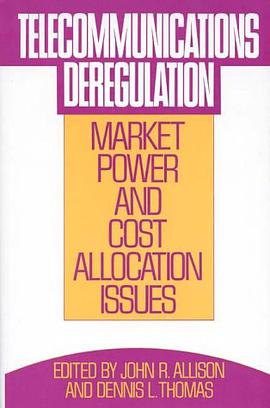
Since the breakup of AT&T in the early 1980s, many scholars and others have argued that telecommunications regulatory policy, especially at the state level, must change dramatically to fit new market conditions. To others, particularly state regulators, lawmakers, and smaller competitors, the proper response is one of slow, incremental change in regulatory policy. This volume explores these issues by using a unique multidisciplinary lens to focus on the problems of market power and cost allocation in long distance telecommunications markets. The contributors approach the subject from the traditional perspectives of economics and law but also incorporate developments in newer disciplines such as operations research, decision theory, policy analysis, and corporate strategy. Each section includes a series of main papers as well as critical reviews by scholars using methodologies from other disciplines. The result is an unusually comprehensive treatment of the complex regulatory issues facing the telecommunications industry today. The volume is divided into two primary sections which deal with market power and cost allocation in turn. The first part opens with a paper which examines market power from the perspective of legal analytics. Two economists then employ the methodologies of antitrust law and economics to survey the approaches of various states to the problem of identifying telecommunications market power. The third main paper in this section analyzes the market power concept from the particular economic perspective of contestable market theory. Turning to cost allocation issues, the contributors argue for the applicability to long distance markets of a new cost allocation methodology developed by NRRI for local exchange service. The topic is then approached by using a series of regulatory fables in which various possible incentive schemes are used to induce supposedly efficient behavior, with cost allocation as a resulting side issue. Each main paper is followed by one or more critical discussant papers. Finally, contributor Alfred Kahn draws on his long experience as a scholar and regulator to examine the current problems of telecommunications regulation in their historical context and to make some predictions about the future course of regulation in the industry. An important contribution to the business literature, this volume is a must acquisition for any library dealing with the telecommunication industry.
作者简介
目录信息
读后感
评分
评分
评分
评分
用户评价
从一个略带怀疑态度的入门读者的角度来看,这本书的价值在于它提供的深度剖析和对未来趋势的警示。它没有沉溺于对“自由市场万能论”的盲目赞美,而是非常审慎地探讨了放松管制带来的“负外部性”——比如数字鸿沟的加剧,以及市场势力向少数几个全球科技巨头集中的趋势。作者在最后几章提出的关于“网络中立性”的未来走向的猜想,尤其发人深省,它几乎预言了今天我们面临的关于内容分发权和数据主权的激烈争论。阅读此书的过程,更像是一次对“看不见的手”在现代基础设施领域作用边界的哲学探讨。我个人对其中关于“竞争性管制”理论的介绍很感兴趣,它似乎为如何在不扼杀创新的前提下,有效地管理具有自然垄断性质的网络设施,提供了一种理论上的出路。这本书的行文风格成熟稳重,论据扎实,是一本能让人在合上书后,依然对日常生活中习以为常的电信服务产生深思的作品。
评分这本书的结构设计充满了匠心,它并非按时间顺序线性展开,而是采取了主题驱动的方式,这一点非常合我胃口。例如,它将关于“消费者保护”的内容与“价格管制”的部分集中讨论,然后立刻转向“技术创新激励”的主题,这种跳跃感反而更有助于抓住核心矛盾。我特别欣赏作者在论证过程中,对不同学派经济学家观点的平衡呈现,很少看到如此中立且深入地剖析了完全对立的监管立场。对我个人而言,最实用的部分在于它对“监管疲劳”现象的分析——即随着市场成熟,监管机构是否会因为对旧有模式的过度熟悉而错失新的风险信号?书中对几起标志性的大型并购案的监管审查过程的剖析,展现了监管机构在面对巨无霸企业时的无奈与挣扎。这本书的洞察力在于,它让我们看到,监管放松并非一条直线,而是一个充满了妥协、反复和意外的动态过程,充满了人性的弱点和政治的考量。
评分这本书的叙事节奏把握得极好,读起来就像在看一部关于权力转移的史诗剧。它巧妙地将宏观经济学理论与具体的案例研究结合起来,使得原本可能晦涩的管制放松议题变得生动起来。比如,书中对早期“贝尔体系”瓦解过程的描述,细致入微,几乎让人能感受到法庭上那种剑拔弩张的气氛。但最令我印象深刻的,是它对新兴技术——特别是互联网兴起后——对传统电信巨头构成的颠覆性冲击的刻画。作者似乎拥有某种“时间旅行者”的视角,能够预见到某些看似微小的技术创新,最终如何彻底改写了整个行业的规则。我发现自己常常停下来,思考书中提出的那些关于市场准入和反垄断的论断,在如今的平台经济时代是否依然有效。虽然某些章节的专业术语密度稍高,需要读者具备一定的经济学背景,但整体上,它成功地将一个高度专业化的领域,转化为引人入胜的商业和政治编年史。
评分坦白说,我原本预期这是一本偏重于法律条文和监管框架的干巴巴的教科书,但这本书的广度超出了我的想象。它成功地将电信监管的演变置于更宏大的社会和地缘政治背景下进行考察。书中不仅分析了美国和欧洲的经验,还穿插了发展中国家在基础设施建设中遇到的独特挑战,这使得整体视角更加立体和全面。我对其中关于“技术中立性”的辩论印象深刻——即监管者应该对技术本身设限,还是仅仅关注市场行为本身?作者没有给出简单的答案,而是通过历史的轨迹,引导读者自己去权衡不同监管哲学的利弊。我尤其关注它如何处理国际电信联盟(ITU)在协调全球标准和频率分配中的作用,那种跨越国界的合作与冲突,展现了全球化背景下治理的复杂性。阅读过程中,我常常感到这本书不仅仅是在回顾历史,更像是在提供一套分析未来趋势的“思维工具箱”。
评分这本关于电信业放松管制的书,从我个人的角度来看,是一次非常及时的阅读体验。它深入探讨了过去几十年间,全球电信市场如何从高度垄断走向竞争的复杂过程。作者没有停留在枯燥的政策条文分析上,而是花了大量篇幅去描绘那些推动变革的关键人物和背后的政治博弈。我尤其欣赏其中对频谱拍卖机制演变的论述,清晰地展示了政府如何试图在收入最大化与市场公平准入之间找到平衡点,而这种平衡点又如何不断地被技术进步所挑战。书中对“通用服务义务”的讨论,至今仍具有极强的现实意义,尤其是在讨论如何确保农村和偏远地区的基础设施覆盖问题时,过去的经验教训显得尤为宝贵。我曾在电信行业从事过一段技术实施工作,阅读此书时,那些关于基础设施共享和互联互通的章节,让我对当时一些看似随机的商业决策背后的监管逻辑有了豁然开朗的理解。它不仅仅是一本学术著作,更像是一份对现代通信骨架的“拆解报告”,非常适合那些希望了解我们日常使用的移动网络和宽带服务是如何被塑造成今日模样的专业人士或深度爱好者。
评分 评分 评分 评分 评分相关图书














本站所有内容均为互联网搜索引擎提供的公开搜索信息,本站不存储任何数据与内容,任何内容与数据均与本站无关,如有需要请联系相关搜索引擎包括但不限于百度,google,bing,sogou 等
© 2026 book.quotespace.org All Rights Reserved. 小美书屋 版权所有