

具体描述
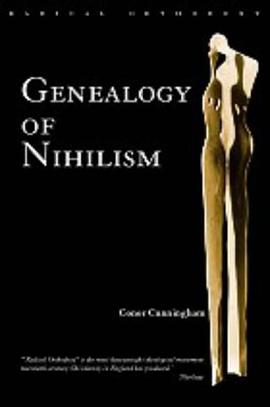
Nihilism is the logic of nothing as something, which claims that Nothing Is. Its unmaking of things, and its forming of formless things, strain the fundamental terms of existence: what it is to be, to know, to be known. But nihilism, the antithesis of God, is also like theology. Where nihilism creates nothingness, condenses it to substance, God also makes nothingness creative. Negotiating the borders of spirit and substance, theology can ask the questions of nihilism that other disciplines do not ask: Where is it? What is it made of? Why is it so destructive? How can it be made holy, or overcome? Genealogy of Nihilism rereads Western history in the light of nihilistic logic, which pervades two millennia of Western thought and is coming to fruition in our present age in a virulently dangerous manner. From Parmenides to Alain Badiou, via Plotinus, Avicenna, Duns Scotus, Ockham, Descartes, Spinoza, Kant, Hegel, Heidegger, Sartre, Lacan, Deleuze and Derrida, a genealogy of nothingness can be witnessed in development, with devastating consequences for the way we live. As dualistic logic, nihilism has come to ground existence not in life but in the absences beyond it. We who are, are no longer the living, but rather the living dead; in the death-wielding modern approach to knowledge, we are all reduced to cadavers. Nihilism, in erasing the real distinctions between mere objects or things and the life within life itself, furthermore threatens the spiritual discernment that permits the experience of goodness, truth and beauty. Consequently, the awareness of the qualitative distinction between things, between an ice-cream and a holocaust, is extinguished. The Trinitarian theology of Genealogy of Nihilism offers a counterargument that is sustained by nihilism even as it defeats it. In Christ's ontological synthesis of divine spirit and incarnation, and in the miraculous logic of the resurrection, theology reunites presence with absence, non-being with being. Seeing things in their actual complexity and incongruity, it allows for real difference and the existence of something-as-nothing in the world. Furthermore, this ability to discern difference resides within an agnosticism of the faithful wherein the strict identity of sameness and difference, self and other, believer and non-believer is subtly but profoundly challenged. Conor Cunningham's elaborate and sophisticated theology, spanning the disciplines of philosophy, science and popular culture, permits us to see not simply how modernity has formulated its philosophies of nothing, but how these philosophies might be transfigures by the crucial difference theology makes, and so be reconcilable with life, and the living - with the very gift which being is.
作者简介
目录信息
读后感
评分
评分
评分
评分
用户评价
我必须承认,这本书的某些哲学思辨部分,对于非专业读者来说,构成了一道相当高的理解门槛。尤其是在探讨“本体论的退场”那一节,作者的语言风格突然变得高度抽象化和内省化,仿佛从一个宏大的历史叙事突然跌入了一个纯粹的思维迷宫。那些由长短句交织而成的复杂句式,常常需要我反复阅读三四遍,才能捕捉到其核心的逻辑指向。有那么几页,我甚至需要借助几本辅助的哲学辞典来校对其中使用的特定德语或法语术语的精确内涵。这绝不是一本用来睡前放松的书籍,它更像是一场需要高度认知投入的马拉松。然而,正是这种挑战性,带来了极大的智识上的满足感。当经过一番艰苦的“搏斗”后,终于恍然大悟地理解了作者试图在字里行间编织的那个复杂逻辑闭环时,那种“啊哈!”的瞬间,是任何通俗读物都无法比拟的。这本书成功地将高深的理论与一种近乎文学性的描绘融合在了一起,尽管过程充满荆棘,但最终的收获绝对值得投入的时间和精力。
评分从阅读体验的整体感受来看,这本书的后半部分明显地展现出一种从彻底的“否定性”思辨转向“建设性”尝试的微妙转变。前半部分那种冰冷、理性的解构,让人几乎要陷入完全的虚无感中,仿佛所有既有的意义都被剥离殆尽。但随着章节的推进,作者开始引入一些非常克制、近乎诗意的语言,去描述在彻底清空之后,个体如何面对新的可能性的“空间”。这种处理手法非常高明,它没有陷入陈词滥调的乐观主义,也没有停留在绝望的泥潭里,而是在两者之间找到了一种冷静的、充满尊严的平衡点。结尾部分关于“重新命名现实”的讨论,虽然篇幅不长,却像是一束微弱但坚定的光,照亮了前面所有的黑暗。这使得整本书的阅读旅程形成了一个完美的螺旋上升结构:从对旧有结构的质疑,到对现有框架的瓦解,最终指向一种审慎的、基于清醒认识的个体行动的可能。这本书的价值不仅在于它揭示了什么,更在于它在揭示之后,引导我们应该如何继续前行。
评分这本书的装帧设计简直是视觉上的享受,封面采用了一种深沉的墨绿色,搭配烫金的标题字体,透露出一种古典而又略带禁欲的气息。书脊的文字排列考究,即便是随意放在书架上,也散发着一种低调的奢华感。初次上手时,纸张的质地让人感到惊喜,它不是那种常见的、光滑的铜版纸,而是一种带有轻微纹理的、略微粗粝的特种纸,这种触感似乎在暗示着内容本身的厚重与复杂性。内页的排版也极其讲究,字号适中,行距疏朗有致,即便长时间阅读也不会感到眼睛疲劳。在章节过渡处,偶尔会穿插一些极简的几何图形插页,它们的存在感并不强烈,却像是一种无声的提示,将读者的思绪从宏大的哲学思辨中短暂地抽离出来,为接下来的深入探讨做好了心理准备。不得不提的是,这本书的译者注部分做得非常出色,它没有堆砌生涩的术语,而是用一种近乎散文的笔调,将一些关键概念的文化背景和历史渊源娓娓道来,极大地降低了理解门槛。这不仅仅是一本书,它更像是一件精心制作的艺术品,从触感到视觉,都体现了出版方对知识载体的尊重与敬畏。我甚至有些舍不得翻阅,生怕每一次翻动都会破坏了它整体的完美布局,这无疑是对内容本身价值的一种侧面肯定。
评分我花了整整一个周末的时间,试图消化这本书开篇所构建的那个庞大而精密的知识框架,坦白说,这阅读体验更像是一场高强度的智力攀登,而不是轻松的消遣。作者的论证结构如同巴洛克式的建筑群,层层叠叠,相互支撑,每一个论点都建立在对前置概念的彻底解构之上。尤其是在探讨“虚无的谱系起源”那一章时,作者频繁引用了那些晦涩难懂的早期文本,但他的叙述方式却奇妙地保持了一种近乎手术刀般的精确性,没有丝毫拖泥带水。我发现自己不得不频繁地使用荧光笔和便签纸,不是为了标记重点,而是为了梳理那些错综复杂的因果链条。这本书的挑战性在于,它要求读者不仅要理解作者在说什么,更要理解作者“为什么”要用这种特定的方式来组织这些材料。那种感觉就像是解开一个跨越了几个世纪的密码锁,每拧动一格,都需要对历史语境有深刻的洞察。读完这部分内容后,我需要停下来,泡一杯浓咖啡,让思绪在完全的空白中重组,才能鼓起勇气进入下一阶段的论述。这绝对不是一本可以囫囵吞枣的作品,它要求你全神贯注,甚至带有一种近乎献祭般的专注。
评分这本书最令我感到震撼的,是它对现代文化现象的解剖力度。它没有流于对大众流行趋势的肤浅批判,而是深入挖掘了驱动这些现象背后的深层心理机制和社会结构性疲劳。举例来说,作者在分析当代信息爆炸时代人们的“选择倦怠”时,引用了一个非常罕见的社会学模型,并将其与十九世纪末知识分子对意义失落的集体体验进行了惊人的平行对比。这种跨越时空的参照,让原本看似孤立的现代焦虑有了一个坚实的、历史性的锚点。我发现自己开始用一种全新的视角审视日常生活的琐碎:为什么我们会对某些无意义的仪式感产生依赖?为什么我们在追求效率的同时又对“慢生活”抱有一种近乎病态的向往?作者没有直接给出答案,而是搭建了一个分析的脚手架,引导我们自己去构建结论。这种“启发式”的写作手法非常高明,它拒绝了简单的结论性灌输,而是将批判的责任交还给了读者本身。读完这些章节,我感觉自己对周围世界的“滤镜”被彻底擦除,一切都显得既熟悉又陌生,充满了解构的张力。
评分 评分 评分 评分 评分相关图书















本站所有内容均为互联网搜索引擎提供的公开搜索信息,本站不存储任何数据与内容,任何内容与数据均与本站无关,如有需要请联系相关搜索引擎包括但不限于百度,google,bing,sogou 等
© 2026 book.quotespace.org All Rights Reserved. 小美书屋 版权所有