
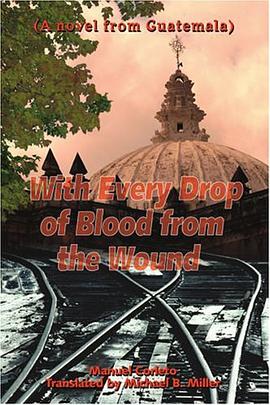

具体描述
Audacious, provocative, iconoclastic, with elements of the carnavalesque, the erotic, irreverence toward the institutions that have governed and continue to govern Guatemalan society, With Every Drop of Blood from the Wound breaks with the traditional concepts of the Latin American novel and magical realism to challenge the reader to grapple with fragmented chronology and intersecting textuality in the discordant and inverted world of Gerona, a semi-urban neighborhood in which Corleto projects a violent and often strange picture that serves as a microcosm of the corruption, failures, and evils of his country. His portrayal of sex, at times crude and violent, is not gratuitous, but rather serves to make a point: that in the end the only enduring and worthwhile value is love, love raised to its highest sense: the human need for each other, the need of family, of belonging, the need of warmth. The story is set during the second half of the twentieth century, in the late 40s and early 50s, with reference to the dictatorship of General Ubico (1931-44), and unfolds in the real life barrio of Gerona, located near a railroad yard where the two protagonists—Gabriel and Willy—carry out their adolescent games in the abandoned railway cars, including their first sexual encounters, thanks to the very willing and precocious González sisters. Later the two boys finally go their separate ways, but years later are reunited when they are grown men, when their boyhood illusions and dreams have faded, and they are resigned to facing the hard reality of their individual failures. Still the human being survives despite his lack of ideals. From this perspective, With Every Drop of Blood from the Wound—the words from a song at the end of the book that Corleto wrote to underscore the pain of lost dreams and the plaintive cry of a people ruled by the iron fist of repressive rulers—paradoxically is, when all is said and done, an affirmation of life, hope, and love, the values Corleto holds most dear.
作者简介
目录信息
读后感
评分
评分
评分
评分
用户评价
这部作品的语言风格简直是一场华丽的文学冒险,它大量运用了古典文学中那种繁复而又精确的意象构建,读起来有一种既古老又新颖的奇妙感觉。我得承认,初读时需要稍微放慢速度,去细细品味那些措辞的精妙之处,但一旦适应了这种语境,你会发现作者对词语的驾驭达到了近乎完美的境界。它不是那种快餐式的娱乐读物,更像是一件需要耐心雕琢的艺术品,每一个段落、每一句话都仿佛经过了千锤百炼。我特别留意到作者在描写情感冲突时,经常使用一些非常规的、略带象征意味的表达,这使得原本可能流于俗套的冲突,瞬间被提升到了一个更为形而上的层面。这种对文字的敬畏和极致的打磨,让整本书散发出一种沉甸甸的、值得反复揣摩的价值。
评分从结构上来看,这本书的处理手法相当大胆和前卫。它打破了传统线性叙事的枷锁,采用了多重时间线索交织推进的方式,不同角色的视角不断地切入和切换,仿佛是一个精密的万花筒。起初,我有点担心这种复杂性会导致叙事失焦,但作者的掌控力令人叹服,每一次跳跃都似乎是为了揭示一个更深层次的联系。这种“碎片化”的叙事并没有增加理解的难度,反而如同解谜一般,让每一次新信息的出现都带来强烈的“啊哈!”的顿悟时刻。书的后半部分,当所有看似无关的线索最终汇聚、逻辑链条清晰呈现的那一刻,那种智力上的满足感是无与伦比的,这是对读者专注力的最高回报。
评分我通常对这种宏大叙事的故事抱持一种审慎的态度,因为它们很容易因为试图涵盖太多而显得肤浅。然而,这本书却成功地在广阔的背景和个体命运之间找到了一个精妙的平衡点。它不仅描绘了时代的风云变幻,那些波澜壮阔的历史侧影,更重要的是,它将这些宏大的力量如何碾压或塑造了每一个普通人的日常,展现得淋漓尽致。作者没有回避人性的复杂与灰暗面,那些看似微不足道的道德困境,最终汇聚成了推动情节发展的巨大动力。我发现自己不断地在想:“如果是我,我会做出怎样的选择?”这种强烈的代入感,源于作者对人物动机的深度挖掘,他们既不全然是英雄,也非彻底的恶徒,而是活生生的、充满矛盾的个体,这才是最触动我的地方。
评分与其他同类主题的作品相比,这本书最显著的特点是其对“希望”的呈现方式。它并非一味地歌颂光明或者沉溺于绝望,而是将希望描绘成一种极其稀有、需要付出巨大代价才能攫取的资源。书中关于牺牲的描绘,是那种令人心碎的、无法挽回的失去,但正是这种极致的痛苦,才反衬出那些微小、却坚韧的生存意志的可贵。它迫使读者去重新定义什么是真正的胜利,也许胜利并非是战胜了外部的强敌,而是在所有外力都崩塌之后,依然能够守住内心那一点点不屈的火种。读完之后,我感到一种被涤净后的平静,那种感觉不像是一场狂风暴雨的结束,而更像是暴风雨后,泥土中新芽破土而出的那种无声的力量。
评分这本书的叙事节奏真是让人欲罢不能,作者仿佛有一支魔杖,将时间线巧妙地拉伸与压缩,每一次的场景转换都像是呼吸一样自然而又充满力量。我尤其欣赏它对人物内心世界的刻画,那种细致入微的心理描写,让我感觉自己仿佛就是书中那个在命运的洪流中挣扎的主角。书中对于环境的烘托也极为出色,无论是阴郁潮湿的街道,还是烈日暴晒下的荒原,那种沉浸式的体验让人不自觉地屏住呼吸,去感受角色们所处的绝境。它没有采取那种直白的说教方式来表达主题,而是通过一个个充满张力的事件,让读者自己去领悟那些关于生存、牺牲与救赎的深刻命题。读到某个关键转折点时,我甚至不得不放下书本,走到窗边去平复一下剧烈跳动的心脏,那种情感的冲击力,是很多同类型作品望尘莫及的。这本书的魅力在于,它让你在阅读的过程中,不断地与自己的认知进行搏斗和重塑。
评分 评分 评分 评分 评分相关图书













本站所有内容均为互联网搜索引擎提供的公开搜索信息,本站不存储任何数据与内容,任何内容与数据均与本站无关,如有需要请联系相关搜索引擎包括但不限于百度,google,bing,sogou 等
© 2026 book.quotespace.org All Rights Reserved. 小美书屋 版权所有