

具体描述
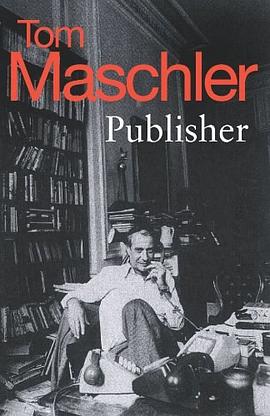
Tom Maschler's life story: how he became editorial director of moribund publisher Jonathan Cape in his twenties after an apprenticeship with legendary Penguin publisher Allen Lane, transformed their fortunes by innovative and creative publishing of literary fiction and intellectually groudbreaking non fiction, founded one of the worlds most well known literary prizes, the Booker Prize, and published a vast number of the great and good writers of the last few decades, is so remarkable that it is impossible to mess up. That said, Maschler makes a pretty good fist of it. His writing style is plain and un-self aware to the point of autism, he name drops famous writers like a glossy magazine columnist and clearly fancies himself as a raconteur, a bon viveur, though clearly he has upset many more people than he realizes. Many stories end along the lines of: and he/she never spoke to me again. I can't help thinking I am owed an explanation.
Mashcler's monstrous ego aside (at one typical comically un-self aware moment he writes of the pride he felt when a secretary said she could feel his presence in the Cape building even when she hadn't seen him arrive), his contribution to publishing is undiminished. He worked tirelessly to promote serious and intelligent books, and had a remarkable talent for spreading a buzz about his titles like bushfire through the publishing world. Publishers and booksellers knew that with Maschler behind a title you were guaranteed a: quality and b: (more important in publishing) sales. All this for comparatively little financial reward himself. Towards the end he writes of the buy out of Jonathan Cape by Random House when it could no longer survive as an independent company. Buy that stage, Maschler and his managing director were paying themselves only £40,000 a year, far less than many of his authors were earning as a result of Maschler's tireless support.
Maschler will go down as one of the post war greats of the British publishing world (though equally is important is Liz Calder (now of Harry Potter house Bloomsbury), also vital to the Cape story and chronically undermentioned by Maschler. He mainly takes gleeful spite in boasting of authors he poached from Liz at her expense. Perhaps it is the case that good publishers make good writers, but great ones can't string a sentence together (for that is why they publish, rather than write). The entrepreneurial flair of the Maschler's of this world don't often go hand in hand with reflective, literary skills. Maschler's life story will be magnificently told one day, but by an authorized biographer, rather than the man himself.
作者简介
目录信息
读后感
评分
评分
评分
评分
用户评价
说实话,我对那些过于直白、把所有观点都摆在桌面上让读者轻易获取的书籍总是提不起太大的兴趣。《Publisher》这个书名本身就带有一种模糊的、关于“创造”与“传播”的暗示,这让我忍不住去猜测它内在探讨的主题。我更倾向于那些需要读者主动参与构建意义的作品。我希望作者能给我留下足够的“空白”,那些需要我用自己的生活经验、个人偏见去填补的空间。比如,它是否在隐晦地批判某种社会现象,但又巧妙地避开了直接的指控,而是通过一个看似无关紧要的次要人物的命运来侧面反映?这种“只可意会不可言传”的交流方式,才是我认为最顶级的文学享受。如果读完后,我还能和朋友就其中某一个意象或对话进行长达数小时的争论,那说明这本书已经成功地在我心中扎下了根。
评分我向来对文学作品中对“时间”的处理方式极为敏感。《Publisher》的封面给我的感觉是沉稳而永恒的,这让我猜测,它或许会涉及对时间线性流逝的反思,或者是一种多重时间维度的交织。我个人对那种能让读者在阅读过程中产生“时间变慢”或“时间停滞”错觉的作品情有独钟。想象一下,作者是如何描述一个瞬间的永恒,或者如何将几百年的历史浓缩在几页纸的场景描述中而不显得仓促?我希望《Publisher》能提供给我这样的体验。它不该只是一个发生的故事,而更应该是一种对我们存在基础的质疑——我们所感知到的现实,真的是唯一的现实吗?如果这本书能在我阅读的过程中,模糊我现实生活与书中世界的界限,让我分不清自己此刻是在翻页还是在经历一场遥远的记忆,那我就找到了我心目中的杰作。
评分我最近读了几本结构严谨但情感表达上略显疏离的作品,因此,对于《Publisher》,我内心深处其实更期待看到一种强烈的情感共鸣。我希望它能触及那些隐藏在我内心深处,我自己都难以名状的复杂情绪——也许是某种与生俱来的孤独感,也许是对未竟事业的深深遗憾。这种情感的穿透力,不一定需要宏大的悲剧场面来支撑,但一定要真实到让人感到“被看见”。我希望作者的文字能像一把精密的解剖刀,剖开人类灵魂的某些隐秘角落,展现出赤裸裸的脆弱与坚韧。如果我能在阅读过程中,体验到角色们哪怕是最微小的喜悦和最深沉的绝望,并从中意识到我们共通的人性,那么,即便故事本身的情节设定平平无奇,这本书也足以被我奉为经典。它应该让我流泪,或者至少,让我感到一种难以言喻的心悸。
评分这部《Publisher》的书籍,说实话,拿到手的时候我就被它那厚重的质感和封面那低调却充满力量的设计给吸引住了。我是一个老派的阅读者,对书籍的实体感有着近乎苛求的偏爱,这本书完全满足了我对“好书”的初步期待。我期待它能带我进入一个完全陌生的世界,或者至少,揭示一些我过去从未察觉的深刻真理。我猜想,也许它会是一部关于人类文明兴衰的史诗,用细腻的笔触描绘出那些宏大叙事背后个体的挣扎与辉煌。那种感觉就像是面对一座古老的图书馆,你知道里面藏着无数未解的秘密,而你即将成为第一个解密者。我甚至在翻开第一页之前,就脑补了作者是如何在无数个不眠之夜里,用尽心力将这些构想铸造成文字的。我希望它能像一剂强心针,注入我日复一日的平淡生活中,带来意想不到的震撼和思考的火花,那种读完之后需要静坐半晌才能平复心情的重量感,才是对我阅读体验的终极奖赏。
评分拿到《Publisher》后,我其实花了好几天时间才敢真正开始阅读。这种犹豫并非因为畏惧其内容,而是因为我对那些真正优秀的作品总有一种“珍惜”的心理——害怕一旦读完,那种初次接触的奇妙感觉就会消逝。我向来钟情于那些结构精巧、叙事视角不断切换的作品,它们如同多面体切割出的宝石,从不同的角度都能反射出新的光芒。我非常好奇《Publisher》是如何组织它的叙事节奏的,它会是那种如涓涓细流般娓娓道来,最终汇集成磅礴大河的叙事吗?还是说,它会采用碎片化的手法,让你在拼凑的过程中体验到作者布下的重重迷阵?我希望它能挑战我的阅读习惯,迫使我去接受一种全新的逻辑结构,去适应一种我此前认为不可能被文字承载的情感和概念。如果这本书能让我重新审视自己对“叙事”本身的理解,那它的价值就远远超出了故事本身。
评分 评分 评分 评分 评分相关图书














本站所有内容均为互联网搜索引擎提供的公开搜索信息,本站不存储任何数据与内容,任何内容与数据均与本站无关,如有需要请联系相关搜索引擎包括但不限于百度,google,bing,sogou 等
© 2026 book.quotespace.org All Rights Reserved. 小美书屋 版权所有