

具体描述
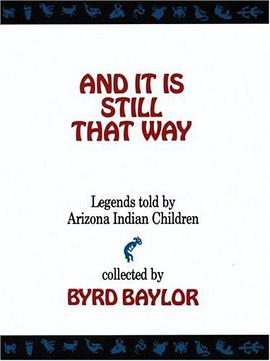
Byrd Baylor asked children--Navajo, Hopi, Tohono O'odham, Pima, Apache, Quechan, Cocopah--to choose a story told to them by someone in their own tribe. It should be their favorite story, maybe the best story in the world. That story would be their gift to other tribes, to other children. It would share some of the oldest magic of the Indian world.At a school in southern Arizona, Byrd Baylor saw a story about Rattlesnake and how he made the first brush shelter so the Papago people would have shade. This story was told by a Tohono O'odham child. "As soon as I read the story," Byrd said, "I knew I wanted a special kind of book to hold this special kind of story. It would have to be written by children, not tampered with too much by adults. "So I took the Rattlesnake story with me for good luck and camped in my favorite places and went to dances and ceremonials along the way...and talked to children in reservation schools. We talked about storytelling in the Indian way. We talked about how it feels to hear stories that aren't made up new and written down in somebody else's book but are as old as your tribe and are told and sung and chanted by people of your own family, your own clan. "We talked about how it feels to hear stories that go back to the oldest memories of your ancestors, to times when animals talked like people, times when people changed into stars or rocks or eagles, times when the world was still new and there were monsters to be killed and heroes to kill them and gods to teach the first people the first things they needed to know. "I asked the children (Navajo, Hopi, Tohono O'odham, Pima, Apache, Quechan, Cocopah) to choose a story told to them by someone in their own tribe. It should be their favorite story, maybe the best story in the world. That story would be their gift to other tribes, to other children. It would be sharing some of the oldest magic of the Indian world. "In Arizona, Indians don't tell their stories in summer. The old people say snakes don't like to hear them and sometimes it makes them angry and they come and bite the storyteller. So stories are saved for winter when the snakes are sleeping. In gathering these stories, I saved them for winter too. I did not ask anyone to tell them in summer and I hope whoever reads them now will put the book away during the hot part of the year when snakes are listening."Most of the stories in And It is Still That Way are just bits and pieces of longer and more complicated legends, but they are the part the children remember.
作者简介
目录信息
读后感
评分
评分
评分
评分
用户评价
我不得不承认,作者的语言风格达到了近乎于诗歌的境界,但这并非那种矫揉造作的华丽辞藻堆砌。它的美在于其精确性和一种近乎冰冷的客观性。他描述悲伤或失落时,不会使用夸张的形容词去渲染情绪,而是通过精准的物理描写来传达那种空洞感。例如,书中描绘某人离去后的场景,留下的不是眼泪,而是“一张未喝完的茶,茶水表面凝结了一层薄薄的、不被打扰的微光膜”。这种通过物质残留来映射精神状态的手法,比任何直接的情感宣泄都更具穿透力。然而,正是这种克制,使得阅读过程需要极高的专注度。你不能心不在焉地扫视文字,每一个词语的选择都似乎经过了千锤百炼,承载着超出其字面意义的重量。对于那些追求快节奏消遣的读者,这本书可能会显得有些“沉重”或“晦涩”,但对于愿意投入时间去解码文字背后意图的读者而言,它是一座语言的宝库。
评分这本书的整体情绪基调是忧郁的,但这是一种成熟的、沉淀下来的忧郁,而非青春期的无病呻吟。它不像许多现代作品那样急于用强烈的戏剧冲突来抓住读者,而是通过一种持续的、低频的共振来影响你。读完后,我发现自己对外界的噪音变得不那么敏感了,反而能更清晰地听到自己内心深处那些微弱的声响。书中关于“不变”的探讨非常耐人寻味——即便是环境和表象在剧烈变化,某些深层的、几乎是宿命般的模式依然以另一种形式重复上演。作者似乎在暗示,人类在面对本质性困境时的反应,从古至今,并没有太大的变化。这本书就像是一杯陈年的苦艾酒,初尝时或许有些刺激和不适应,但回味无穷,并在舌尖留下了悠长而复杂的痕迹。它值得被反复阅读,因为每次重读,都可能因为自身阅历的变化,而解锁出新的层次和感悟。
评分这本《And It Is Still That Way》读起来就像是沉浸在一位老友的喃喃自语中,那种感觉非常奇特而又迷人。它不是那种情节跌宕起伏、让你一口气读完的畅销小说,更像是一本精致的散文集,每一页都像是一扇通往作者内心深处的小窗户。我尤其欣赏作者对日常细节的捕捉能力。比如,书中描绘清晨咖啡馆里光线如何斜斜地打在木质桌面上,以及空气中弥漫着的那种混合了烘焙豆香和微寒湿气的味道,简直让人仿佛能亲身感受到那种宁静而又略带疏离的氛围。叙事节奏是缓慢的,但这种慢并非拖沓,而是一种刻意的放缓,迫使读者停下来,去品味那些常常被我们匆匆略过的瞬间。书中探讨了关于时间流逝和记忆保持的议题,但处理得非常含蓄,没有宏大的理论说教,只有一系列碎片化的生活片段,它们像被阳光晒干的旧照片,虽然边缘有些模糊,但核心的情感冲击力却极其强大。阅读过程更像是一场冥想,让人在喧嚣的外部世界之外,找到了一个可以暂时安放疲惫灵魂的角落。
评分坦白说,这本书的阅读体验是有些挑战性的,尤其是对于习惯了清晰叙事主线的读者来说。它的结构更像是意识流的拼贴画,主题的跳跃性很大,有时前一页还在回忆童年的夏日午后,下一页可能就突然转向对现代城市异化现象的尖锐反思。起初我有些摸不着头脑,感觉像是在听一场没有明确主题的爵士乐即兴演奏,充满了不和谐音和突兀的停顿。然而,当我放弃了寻找传统意义上的“故事线”后,这本书才真正向我展示了它的魅力。它强迫你接受一种更加松散、更贴近真实思维过程的叙事逻辑。那些看似无关紧要的段落,比如对一盏老式路灯下影子拉长的细致观察,最终会以一种意想不到的方式与其他主题产生共振,形成一种内在的、情绪上的连贯性。这种结构上的“不完美”,反而成了它最真实和最动人的部分,因为它忠实地记录了人类思维那不可预测的跳跃性。
评分从某种社会观察的角度来看,这本书提供了一种非常独特且深刻的视角。它似乎在探讨现代生活如何系统性地磨损了个体的“存在感”。作者笔下的人物,或者说那些被记录下的生活片段,都带有某种程度的疏离感——他们与周遭环境格格不入,像是被放置在透明玻璃罩中的标本。书中多次出现的意象是“未被触碰的灰尘”或“被遗忘在角落的工具”,这些物品的静默,恰恰反衬出人类活动的高强度和最终的徒劳感。这种批判并非激烈的控诉,而是一种带着理解的、近乎悲悯的观察。它让我反思自己日常生活中那些为了效率和进步而不得不牺牲掉的、无声无息的美好事物。它没有给出任何解决方案,也没有提出激进的口号,只是安静地将我们置于一面镜子前,让我们自己去面对那个被高速运转的世界遗漏下的部分。这是一种非常高明的“不作为”的批判。
评分 评分 评分 评分 评分相关图书












本站所有内容均为互联网搜索引擎提供的公开搜索信息,本站不存储任何数据与内容,任何内容与数据均与本站无关,如有需要请联系相关搜索引擎包括但不限于百度,google,bing,sogou 等
© 2026 book.quotespace.org All Rights Reserved. 小美书屋 版权所有