

具体描述
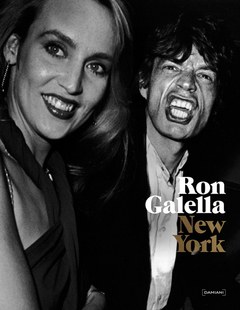
This is the first Ron Galella book that focuses exclusively on New York City in the 70s and 80s. The book contains many unpublished images from Galella’s archives of iconic celebrities of the day from Bianca Jagger, Madonna, Grace Jones, Al Pacino, and Halston out and about on the streets of New York, at JFK, in hotel lobbies, and enjoying the nightlife and theater culture of a much grittier New York City. Journalist William Van Meter interviews Galella about specific images providing captions that reveal never before told stories about Galella’s most legendary photographs.
作者简介
Ron Galella is widely regarded as the most famous and most controversial celebrity photographer in the world—he’s been dubbed “Paparazzo Extraordinaire” by Newsweek, and “the Godfather of U.S. paparazzi culture” by Time and Vanity Fair. Galella has endured two highly publicized court battles with Jacqueline Kennedy-Onassis, a broken jaw at the hands of Marlon Brando, and a serious beating by Richard Burton’s bodyguards before being jailed in Cuernavaca, Mexico. Galella’s work has been exhibited at museums and galleries throughout the world. The Museum of Modern Art New York and San Francisco, the Tate Modern in London, and the Helmut Newton Foundation Museum of Photography in Berlin, among many others, all maintain collections of Galella’s iconic works. Popular Galella books include The Photographs of Ron Galella (Greybull Press) and Disco Years (PowerHouse Books), which was honored as Best Photography Book of 2006 by The New York Times. Recently, Galella made the transition to moving film with Smash His Camera, a documentary of his life and career by Oscar-winning director Leon Gast (When We Were Kings, 1996). Premiered at the 2010 Sundance Film Festival, Smash His Camera received the Grand Jury Award for Directing in the U.S. Documentary category. The film was also well-received at the 54th BFI London Film Festival prior to airing on the BBC throughout the United Kingdom and Europe. A native New Yorker now residing in Montville, New Jersey, Ron served as a United States Air Force photographer during the Korean conflict before attending the Art Center College of Design in Los Angeles, where he earned a degree in Photojournalism.
目录信息
读后感
评分
评分
评分
评分
用户评价
坦白讲,最初接触这类作品时,我有点担心会陷入那种程式化的“城市摄影”陷阱,但这本书完全打破了我的预设。它的结构组织非常高明,虽然内容上跨越了时间,但整体的叙事流向却异常清晰。最妙的是,作者似乎并不急于将自己的观点强加于人,而是巧妙地将叙事的“主动权”交还给了观看者。你看到的是一串串碎片化的场景——一个雨后的霓虹倒影,一次街角眼神的交错,一扇半开的门……但正是这些碎片,在你脑海中自行重组成一幅宏大且复杂的情感地图。这是一种非常高段位的摄影叙事手法,它不给你结论,只给你线索。读完之后,我没有感到被告知了什么,而是感到自己“经历”了什么,仿佛自己也在那片喧嚣的街道上,与那些被定格的人们并行了一段时间。这是一种需要细细品味的体验,急躁是无法领略其精髓的。
评分这本书的视角,简直像是一把精密的手术刀,精准地切开了这座大都会的皮肤,直达其跳动的核心。它呈现出一种近乎粗粝的真实感,完全没有为了迎合大众审美而进行的任何粉饰。那种对社会阶层、对城市变迁的敏锐观察,让我联想到一些伟大的纪实文学作品。摄影师似乎总能在最恰当的时机按下快门,捕捉到那些稍纵即逝的“决定性瞬间”,但这些瞬间又不仅仅是随机的巧合,背后蕴含着深厚的社会背景和文化肌理。例如,某几张黑白照片中,那种老派的、略显忧郁的构图,让人不禁思考在快速的现代化进程中,那些被遗忘或被边缘化的群体是如何挣扎与生存的。它迫使你停下来,去真正“看”这座城市,而不是仅仅“路过”它。这种深度和力量感,使得这本书超越了一般的影像集范畴,更像是一份对特定历史时期纽约社会图景的视觉文献,让人在赞叹其艺术性的同时,也陷入了沉思。
评分翻开这本摄影集,立刻被那种扑面而来的、未经雕琢的纽约生命力给震撼住了。它不是那种光鲜亮丽、旅游指南上才会出现的曼哈顿天际线,而是深入到街头巷尾,捕捉到的那些真实而鲜活的瞬间。我尤其欣赏作者对“光”的运用,那种老电影般的颗粒感和光影对比,让那些寻常的场景瞬间变得富有戏剧张力。你仿佛能闻到夏日柏油路散发的热气,听到布鲁克林街角爵士乐的慵懒旋律,感受到时代广场上行色匆匆人群的焦虑与渴望。照片里的那些人物,无论他们是正在交谈的政客、在街边卖报的小贩,还是那些在霓虹灯下若有所思的夜归人,都被镜头温柔而犀利地定格在了那个特定的时空节点。这不仅仅是记录,更像是一种对话,摄影师与这座城市之间,以及最终与阅读者之间展开的无声交流。整本画册的排版设计也相当考究,留白不多不少,恰到好处地让每一张作品都有足够的呼吸空间,使得观看体验非常流畅且引人入胜,让人忍不住一页一页地往下翻,生怕错过了哪个眼神的交汇或街角的一个秘密。
评分从纯粹的视觉美学角度来看,这本影集展示了对动态瞬间的极致掌控力。它的画面组成常常是打破常规的,充满了不完美的、甚至有点“失焦”的美感,但这种“不完美”恰恰是捕捉到了纽约那种永不停歇的混乱和能量的精髓。如果说清晰度代表了静态的完美,那么这张集子里的“动态模糊”和“噪点”则代表了生命的活力。我感受到了摄影师对摄影媒介本身特性的深刻理解和娴熟运用,他清楚地知道如何利用胶片的质感(或者模拟的质感)来烘托特定的情绪氛围。这让我想起那些早期的报纸摄影师,他们必须在极短的时间内完成创作,这种压力催生出的、带着原始冲动的画面,比精心设置的工作室作品更具感染力。这本册子,无疑是献给所有热爱真实、崇尚生命力而非完美形式的视觉艺术爱好者的上佳之选。
评分我不得不说,这本画册的能量场强大到令人喘不过气。它不是那种让你在咖啡馆里翻阅时能感到轻松愉悦的读物,它带着一种原始的、近乎野性的都市脉搏。每一次翻页,都像是一次突然闯入某个不为人知的私人场景,充满了强烈的代入感。那些瞬间被捕捉下的肢体语言、面部表情,无一不透露着未经排练的戏剧性。我特别喜欢其中几张捕捉到名流人士在公共场合略显疲惫或不设防的瞬间,那种“打破第四面墙”的感觉非常强烈。它揭示了光环背后的普通人性,将那些被置于聚光灯下的人物拉回到了日常的泥土之中。这种诚实得近乎残酷的记录方式,反而赋予了作品一种永恒的价值。我甚至能感觉到,如果我将这本书带到不同的时代背景下阅读,它所引发的共鸣点也会随之改变,因为它记录的不仅仅是物理空间,更是情绪的流动。
评分I don't look through the viewfinder. I look in their eyes. The camera is a machine. You want to look at them person to person.
评分I don't look through the viewfinder. I look in their eyes. The camera is a machine. You want to look at them person to person.
评分I don't look through the viewfinder. I look in their eyes. The camera is a machine. You want to look at them person to person.
评分I don't look through the viewfinder. I look in their eyes. The camera is a machine. You want to look at them person to person.
评分I don't look through the viewfinder. I look in their eyes. The camera is a machine. You want to look at them person to person.
相关图书








![Raw Seduction of Flesh [Paperback] pdf epub mobi 电子书 下载](https://doubookpic.tinynews.org/3c4f29872e3674f9071ed13925d07dfa66c1e2f8b5a81bc04baf67240cb90fe7/s4428141.jpg)



本站所有内容均为互联网搜索引擎提供的公开搜索信息,本站不存储任何数据与内容,任何内容与数据均与本站无关,如有需要请联系相关搜索引擎包括但不限于百度,google,bing,sogou 等
© 2026 book.quotespace.org All Rights Reserved. 小美书屋 版权所有