具体描述
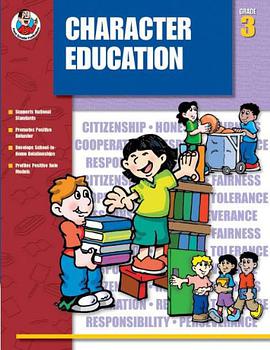
All eight character traits in one book. Activities include; definition of the theme and real-life examples depicting that trait in action, reflections on the theme, and analysis of situations in which students determine if good character was shown.
Character Education, Grade 3 A Journey into Values and Virtues This comprehensive textbook is specifically designed for third-grade students, serving as a foundational guide to understanding, practicing, and internalizing essential character traits. Moving beyond mere definitions, this book employs engaging storytelling, relatable scenarios, and interactive activities to help young learners connect abstract concepts like honesty, respect, and responsibility with their daily lives both at home and in school. Core Objectives and Content Structure The curriculum is structured around key character pillars that are crucial for social-emotional development at this age level. The primary goal is not simply to inform students about good character, but to actively cultivate these traits through consistent reflection and application. Part One: Understanding Self and Others This section lays the groundwork by focusing on self-awareness and empathy—the building blocks for positive social interactions. Chapter 1: Who Am I? Exploring Self-Identity and Strengths: This chapter encourages students to identify their unique talents, feelings, and personal goals. It introduces the concept that everyone possesses inherent value. Activities involve creating 'Strength Maps' and journaling about personal achievements, fostering self-esteem. Chapter 2: The Power of Feelings: Recognizing and Managing Emotions: Focusing on emotional literacy, this unit teaches students to accurately name complex emotions (beyond just happy or sad), such as frustration, anxiety, and excitement. It introduces simple, constructive coping mechanisms suitable for third graders—deep breathing exercises, taking a moment, and communicating needs clearly. Chapter 3: Stepping into Their Shoes: Developing Empathy: Using short narratives about playground conflicts, classroom challenges, and sibling disagreements, students learn to consider perspectives other than their own. Key concepts include active listening and recognizing non-verbal cues that signal how others are feeling. Part Two: Foundational Virtues for Community Living This major section delves into the specific virtues that allow a community (classroom, family, neighborhood) to function smoothly and kindly. Each chapter centers on a core virtue with practical examples. Chapter 4: Honesty: The Truth in Words and Actions: This unit clearly defines honesty, distinguishing it from simple truth-telling (e.g., covering for a friend vs. admitting a mistake). It explores the consequences of dishonesty—not just punishment, but the erosion of trust. Role-playing scenarios focus on situations where telling the truth is difficult but necessary. Chapter 5: Respect: Valuing Differences and Boundaries: Respect is broken down into several actionable components: respecting property, respecting personal space, respecting differing opinions, and respecting authority figures (teachers, parents, librarians). A dedicated section discusses digital citizenship basics—how to show respect online. Chapter 6: Responsibility: Owning Our Choices: Responsibility is linked directly to ownership. Students explore classroom responsibilities (caring for materials), homework responsibilities, and personal safety responsibilities. Case studies illustrate the difference between blaming others and taking initiative to fix a problem caused by one’s own oversight. Chapter 7: Kindness and Compassion: Making the World Brighter: This unit emphasizes proactive kindness. It moves beyond avoiding mean behavior to actively seeking opportunities to help others. It introduces the concept of service within the classroom—being a helpful classmate, mentor to younger students, or ensuring no one is left out during play. Part Three: Resilience and Positive Habits This section focuses on developing the inner strength required to navigate setbacks and maintain positive behavior over time. Chapter 8: Perseverance: The 'Try, Try Again' Mindset: Addressing the common frustration experienced when learning a new skill (like multiplication or tying a complicated knot), this chapter teaches growth mindset theory in accessible terms. Students learn that mistakes are data, not final judgments. Success stories of historical figures who overcame significant obstacles are highlighted. Chapter 9: Fairness and Justice: Playing by the Rules: This unit explores what it means for situations to be equitable, which isn't always the same as being equal. Discussions focus on sharing resources, taking turns fairly in games, and understanding the importance of rules in maintaining order and safety. Chapter 10: Gratitude: Appreciating What We Have: Cultivating thankfulness is presented as a daily practice. The book includes structured activities like starting a 'Gratitude Log' and writing thank-you notes not just for gifts, but for thoughtful actions (e.g., "Thank you for helping me clean up my spill"). This chapter fosters contentment. Pedagogical Approach and Features The textbook utilizes a multi-sensory approach to embed learning deeply: 1. Story Circles: Each major virtue begins with a short, engaging story featuring characters who are third graders, making the dilemmas and resolutions immediately relatable. 2. Virtue in Action Scenarios: After introducing a concept, the book presents three common third-grade scenarios. Students must identify the character trait being demonstrated (or lacking) and suggest the best course of action. 3. Reflection Journals (Integrated Prompts): At the end of every lesson, students are prompted to answer questions like, "When was a time today you chose to be responsible? How did it feel afterward?" These prompts are designed to be brief and actionable. 4. Home Connection Activities: Simple, non-graded activities are suggested for parents or guardians to reinforce the weekly theme (e.g., "This week, practice active listening at the dinner table and report back on what you learned about your family members"). 5. Character Charades and Skits: Kinesthetic learners benefit from activities where students physically act out examples of the target character trait, solidifying the behavioral component of the learning. This volume serves as an essential tool for educators and parents aiming to develop well-rounded, ethically conscious young citizens prepared for the social and academic demands of later grades. It focuses squarely on building internal moral compasses rather than external compliance.