具体描述
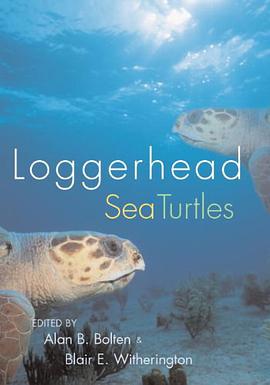
Sea turtles have been the focus of research and intense conservation efforts for decades and the Loggerhead Sea Turtle, currently listed as a threatened species, is arguably one of the best studied of the seven species. Loggerhead Sea Turtles brings together, for the first time, international experts to synthesize the knowledge of Loggerhead biology and conservation and sets the stage for future ecological, biological, and conservation research. Highly detailed coverage includes diet, growth, nesting, migration, habitat selection, and conservation.
Loggerhead Sea Turtles Loggerhead Sea Turtles: A Comprehensive Guide to the Life and Conservation of the Ocean's Gentle Giants Loggerhead sea turtles ( Caretta caretta) are magnificent marine reptiles that have roamed the world's oceans for millions of years. Known for their powerful jaws and distinctive large heads, these ancient mariners undertake epic migrations, navigating vast oceanic distances between their feeding grounds and nesting beaches. This comprehensive guide delves into every facet of the loggerhead's existence, offering an in-depth exploration of their biology, behavior, ecological importance, and the critical challenges they face in the modern world. The Loggerhead Life Cycle: From Sandy Nests to Ocean Depths The loggerhead's life journey begins on remote, sandy beaches scattered across temperate and tropical regions. Female loggerheads, driven by an innate biological clock, return to the general areas where they themselves hatched, often after decades at sea. These arduous journeys, spanning thousands of miles, are guided by an astonishing sense of navigation that scientists are still striving to fully understand. Once ashore, under the cloak of darkness, the female begins the laborious process of nesting. She uses her flippers to dig a body pit and then carefully excavates a flask-shaped egg chamber, depositing anywhere from 80 to 120 leathery eggs. This ritual is repeated several times in a nesting season, with each female returning to the sea to feed before nesting again. The eggs incubate in the warm sand for approximately two months, their development influenced by the ambient temperature, which also determines the sex of the hatchlings – a phenomenon known as temperature-dependent sex determination. When the time comes, the tiny hatchlings emerge from their buried nests in a synchronized dash for the ocean. This perilous journey is fraught with danger, as they must evade predators like crabs, birds, and raccoons. Those that survive this initial gauntlet are swept out to sea, where they enter the open ocean phase of their lives, a period of dispersal and growth that remains one of the least understood stages of their existence. As they mature, loggerheads transition to different feeding strategies. Juvenile turtles often inhabit floating seaweed mats, such as the Sargassum, which provide both food and shelter. They are opportunistic feeders, consuming a variety of marine invertebrates, including crabs, conchs, sea urchins, and jellyfish. As they grow larger and stronger, their powerful jaws become even more specialized for crushing hard-shelled prey. Adult loggerheads are primarily benthic feeders, foraging along the seafloor in coastal waters and over coral reefs, continuing their diet of crustaceans and mollusks. Ecological Significance: Architects of Marine Ecosystems Loggerhead sea turtles play a vital role in maintaining the health and balance of marine ecosystems. As consumers of various invertebrates, they help regulate populations of their prey species. For instance, their consumption of conchs in some regions can help prevent these mollusks from overgrazing seagrass beds, which are crucial nursery habitats for numerous fish and other marine organisms. Furthermore, the presence of loggerhead nesting beaches has a direct impact on coastal environments. The act of nesting churns and aerates the sand, contributing to dune formation and stability, which in turn helps protect coastlines from erosion. The uneaten egg remnants and the remains of dead hatchlings also contribute nutrients to the sandy beach environment. Threats and Challenges: Navigating a Troubled Ocean Despite their resilience and long evolutionary history, loggerhead sea turtles are facing unprecedented challenges due to human activities. Several major threats jeopardize their survival, pushing populations to the brink of decline. One of the most significant threats is fisheries bycatch. Loggerheads, like other sea turtles, are often accidentally caught in fishing gear, such as trawls, longlines, and gillnets. Entangled turtles can drown or suffer severe injuries that lead to starvation or infection. Efforts to mitigate bycatch include the development and implementation of turtle excluder devices (TEDs) in trawls and modifications to fishing practices. Habitat degradation and loss is another critical issue. Coastal development, pollution, and climate change are all contributing to the destruction and alteration of vital loggerhead habitats. Nesting beaches are threatened by erosion, artificial lighting that disorients hatchlings, and the encroachment of human infrastructure. Degradation of foraging grounds, such as coral reefs and seagrass beds, due to pollution and unsustainable fishing practices, further impacts their ability to find food. Marine pollution, particularly plastic debris, poses a severe threat. Loggerheads can ingest plastic items, mistaking them for food, which can lead to blockages in their digestive systems, malnutrition, and internal injuries. They can also become entangled in discarded fishing gear and other floating debris. Climate change also presents a multifaceted threat. Rising sea levels can inundate nesting beaches, and changes in sand temperature can skew sex ratios, potentially leading to populations with a disproportionately high number of females. Alterations in ocean currents could also impact migration patterns and the availability of food sources. Conservation Efforts: A Global Commitment to Protection Recognizing the perilous state of loggerhead populations, a concerted global effort is underway to protect these endangered species. Conservation strategies encompass a range of approaches, from protecting nesting sites to reducing threats in the marine environment. Protection of nesting beaches is paramount. This includes identifying and safeguarding critical nesting areas, managing coastal development to minimize impacts, and implementing measures to reduce artificial light pollution. Volunteer groups and government agencies often patrol nesting beaches, monitoring nesting activity, protecting nests from predators and human disturbance, and assisting stranded or injured turtles. Reducing fisheries bycatch is a major focus of conservation. This involves working with the fishing industry to implement best practices, promote the use of Turtle Excluder Devices (TEDs) and other turtle-safe fishing gear, and support the development of innovative fishing methods that minimize unintended catches. Combating marine pollution is crucial. Efforts to reduce plastic waste, improve waste management, and clean up polluted marine environments directly benefit loggerheads. Public awareness campaigns also play a vital role in educating individuals about the impacts of pollution and encouraging responsible consumption. International cooperation is essential, as loggerheads undertake transboundary migrations. Collaborative efforts between countries are necessary to protect turtles throughout their life cycle, from nesting beaches to foraging grounds. Conclusion: Guardians of the Deep Loggerhead sea turtles are living relics, ancient mariners that connect us to the primal forces of the ocean. Their struggles highlight the profound impact of human activities on the natural world and underscore the urgent need for continued conservation action. By understanding their intricate lives, appreciating their ecological importance, and actively working to mitigate the threats they face, we can help ensure that these gentle giants continue to grace our oceans for generations to come. The future of the loggerhead sea turtle rests in our collective hands, a testament to our responsibility as stewards of the planet.