

具体描述
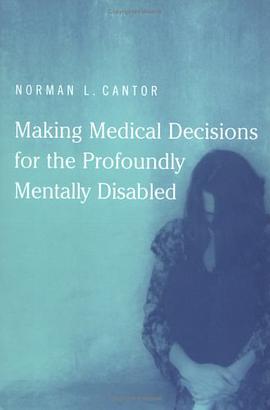
In this book, Norman Cantor analyzes the legal and moral status of people with profound mental disabilities -- those with extreme cognitive impairments that prevent their exercise of medical self-determination. He proposes a legal and moral framework for surrogate medical decision making on their behalf. The issues Cantor explores will be of interest to professionals in law, medicine, psychology, philosophy, and ethics, as well as to parents, guardians, and health care providers who face perplexing issues in the context of surrogate medical decision making.The profoundly mentally disabled are thought by some moral philosophers to lack the minimum cognitive ability for personhood. Countering this position, Cantor advances both theoretical and practical arguments for according them full legal and moral status. He also argues that the concept of intrinsic human dignity should have an integral role in shaping the bounds of surrogate decision making. Thus, he claims, while profoundly mentally disabled persons are not entitled to make their own medical decisions, respect for intrinsic human dignity dictates their right to have a conscientious surrogate make medical decisions on their behalf. Cantor discusses the criteria that bind such surrogates. He asserts, contrary to popular wisdom, that the best interests of the disabled person are not always the determinative standard: the interests of family or others can sometimes be considered. Surrogates may even, consistent with the intrinsic human dignity standard, sometimes authorize tissue donation or participation in nontherapeutic medical research by profoundly disabled persons. Intrinsic human dignity limits the occasions for such decisions and dictates close attention to the preferences and feelings of the profoundly disabled persons themselves. Cantor also analyzes the underlying philosophical rationale that makes these decision-making criteria consistent with law and morals.
作者简介
目录信息
读后感
评分
评分
评分
评分
用户评价
“Making Medical Decisions for the Profoundly Mentally Disabled”——这书名本身就带着一种庄重和紧迫感,让我不由自主地思考,当一个人的认知能力被严重剥夺,当他们无法为自己发声,甚至无法理解周遭的发生时,我们该如何为他们做出最正确的医疗选择?这绝非易事,其中蕴含着巨大的伦理困境和实践挑战。我很好奇,作者将如何深入浅出地解析这些复杂的问题。是会从法律层面,详细阐述监护权、代理权等概念,以及在不同司法管辖区下的差异?还是会从心理学角度,探讨如何通过行为观察、非语言沟通等方式,去“解读”那些潜在的意愿和痛苦?我非常期待书中能够提供一些具体的案例研究,让那些抽象的理论变得更加鲜活和具体。例如,当病人无法表达疼痛时,我们如何判断他们的痛苦程度?当病人反复拒绝某种治疗,而这种治疗又对他们的生存至关重要时,我们又该如何权衡?这本书的意义,或许就在于它能够提供一个思考的框架,一种应对复杂情况的策略,让那些身处两难境地的人,能够有一个可以参考的依据,而不是在迷茫和焦虑中做出草率的决定。我希望,这本书不仅仅是提供知识,更重要的是能够引发深刻的反思,让我们重新审视生命的价值,以及我们作为社会成员所应承担的责任。
评分这本书的书名《为重度精神障碍者做出医疗决定》直击了一个敏感而重要的社会议题。在现代医疗体系日益发达的今天,我们似乎总能找到治疗疾病的方法,但对于那些认知能力严重受损的人群,医疗决策的重心便从“患者本人”转移到了“代理人”身上。这其中的复杂性,远非一般人能够想象。我非常想知道,作者将如何处理这个“代理”的难题。谁有资格做出决定?他们的依据是什么?如何确保这些决定真正符合患者的最佳利益,而不是仅仅反映了代理人的意愿或偏见?我期待书中能够探讨各种决策模型,例如“实质意思”模型(substituted judgment),即试图推断患者在清醒时会如何决定,以及“最佳利益”模型(best interests),即在无法推断患者意愿时,以最大化患者福祉为原则。此外,书中是否会涉及如何平衡患者的“权利”与“福祉”?例如,一些治疗可能会对患者造成不适,但对延缓病情或提高生活质量至关重要,在这种情况下,我们又该如何做出选择?这本书的价值,在于它提供了一个深入的视角,让我们理解到,在为重度精神障碍者做出医疗决定时,需要的不仅仅是医学知识,更是一种高度的伦理自觉和人文关怀。我期待它能够为我们打开一扇通往理解和实践的门。
评分The title, "Making Medical Decisions for the Profoundly Mentally Disabled," immediately conjures a powerful image of profound vulnerability and the immense responsibility placed upon others. I am eager to explore how the author will tackle the inherent difficulties of this topic, which goes far beyond mere medical knowledge. It requires a deep dive into ethics, philosophy, and the very essence of human empathy. I wonder if the book will delve into the legal frameworks surrounding decision-making for this population, exploring concepts like guardianship and advance directives, and how these are practically applied. Furthermore, I am highly interested in the author's approach to understanding and interpreting the subtle, often non-verbal cues that individuals with profound mental disabilities might exhibit. How does one distinguish between a sign of distress, a preference, or simply a physiological response? The challenge lies in bridging the gap between the objective medical condition and the subjective experience of the individual, however inaccessible that experience may seem. I anticipate that this book will offer a thoughtful and nuanced exploration of these challenges, providing readers with the tools to navigate these sensitive situations with the utmost care and respect for the inherent dignity of every individual.
评分当我看到《为重度精神障碍者做出医疗决定》这本书的书名时,我 immediately felt a sense of weight and responsibility. This is not a topic for the faint of heart; it delves into the very core of human compassion and ethical practice. I'm intrigued by how the author will navigate the labyrinthine complexities of making life-altering decisions for individuals who cannot vocalize their needs, desires, or fears. My mind immediately races to the practical implications: How do you assess pain in someone who cannot describe it? How do you weigh the benefits of a life-saving treatment against the potential discomfort it might cause? I'm particularly keen to understand if the book will offer insights into building trust with these individuals, even without direct communication, and how that trust can inform the decision-making process. I anticipate that the book will not shy away from discussing the emotional toll on caregivers and medical professionals, and perhaps offer strategies for managing the immense pressure and ethical dilemmas they face. The sheer act of titling a book this way suggests a profound commitment to advocating for this often-marginalized population, and I am eager to learn how this commitment translates into actionable guidance and a deeper understanding of what it truly means to care for those who are profoundly mentally disabled.
评分一本名为《为重度精神障碍者做出医疗决定》的书籍,光是这个书名就足以勾起我强烈的好奇心和一丝沉重的责任感。在阅读之前,我脑海中浮现出无数的画面:那些在黑暗中摸索、在无声的呐喊中挣扎的面孔,以及那些肩负着为他们代行决定的亲人、监护人和医护人员。我知道,这不是一本轻松愉快的读物,它触及的是我们社会中最脆弱的群体,也拷问着我们作为人类最根本的良知和伦理。我期待着这本书能够为我打开一扇窗,让我窥探到这个特殊群体在医疗决策中所面临的复杂性,理解那些看似微不足道的选择背后,可能蕴含着的深远影响。我希望它能提供清晰的框架和实用的指导,帮助那些身处困境的人们,如何在迷雾中找到方向,如何为那些无法为自己发声的人做出最符合他们利益的决定。这本书的出版,本身就是一种勇气的体现,它不回避现实的残酷,而是选择直面它,并试图提供解决方案。我迫切地想知道,作者将如何解析“判断”的本质,如何在缺乏直接沟通的情况下,解读那些非语言的信号,如何平衡个人意愿、医疗必要性以及伦理考量,最终为那些最需要关怀的生命,争取到最公正、最人性化的医疗保障。我深信,这本书的力量,不仅在于它所提供的知识,更在于它所唤起的同情和责任感,它将引导我们更加深刻地理解“尊重”的含义,以及在极端困境中,如何守护生命的尊严。
评分《为重度精神障碍者做出医疗决定》——这个书名本身就暗示着一种深刻的困境和一种迫切的需求。当我们面对一个无法用语言沟通,甚至可能无法理解“同意”概念的个体时,我们如何才能有效地做出对他们最有利的医疗选择?这其中涉及到对“意愿”的理解、对“福祉”的衡量,以及对“风险”与“收益”的权衡,每一个环节都充满了不确定性和伦理上的挑战。我非常好奇,作者将如何处理“知情同意”这一医学伦理的核心原则,当患者本身无法提供知情同意的时候。书中是否会详细阐述替代性同意的流程和标准,例如,如何界定具有合法代理权的监护人,以及他们需要具备怎样的判断能力和责任意识?我尤其期待书中能够探讨在面对不同程度的精神障碍时,决策的复杂性和侧重点会有何不同。例如,对于一些虽然有语言障碍但仍能表达基本感受的患者,与那些完全丧失沟通能力的患者,在医疗决策时,其考量因素是否会有显著差异?这本书的价值,我想一定在于它能够为我们提供一个清晰的思维路径,帮助我们理解在黑暗中摸索的复杂性,并提供一些可行的策略,以最大限度地守护那些最脆弱生命的尊严和福祉。
评分翻开这本书,我预感自己即将踏上一段充满挑战却又意义非凡的旅程。对于“重度精神障碍者”这个群体,我们普遍存在的认知可能停留在刻板印象和信息隔阂之中,而本书的题目直接点明了核心的难题——“医疗决定”。这其中牵涉到的不仅仅是医学知识,更是法律、伦理、哲学,甚至是人性深处的拷问。我很好奇,作者将如何构建一个坚实的理论基础,来支撑起如此沉重的话题。是会从精神病学的分类入手,详细阐述不同类型障碍的特点和对决策的影响?还是会更加侧重于决策的哲学层面,探讨“同意”在何种情况下可以被“替代”?我特别关注,书中是否会涉及到如何评估一个人的“理解能力”和“意愿”,即使他们无法用语言清晰地表达。这就像在解一道极其复杂的数学题,每一个变量都至关重要,而这里的变量,是人,是活生生的、有着独特情感和需求的生命。我渴望从书中找到能够量化的标准,或者至少是能够提供指导性原则的思路,来帮助那些面临类似困境的家庭和专业人士。这本书的价值,或许就在于它能够 bridging the gap,将抽象的伦理原则转化为可操作的实践指南,让那些在黑暗中摸索的人,能够获得一丝光明和方向。我期待着,这本书能够成为一本集大成之作,既有深邃的理论洞察,又有贴近现实的案例分析,为理解和支持这个群体提供一份有力的支持。
评分当我看到《为重度精神障碍者做出医疗决定》这个书名时,脑海中瞬间涌现出无数关于信任、责任和生命尊严的思考。对于那些无法清晰表达自身需求和意愿的重度精神障碍者,他们的医疗决策如何进行,确实是一个极具挑战性的课题。我渴望从这本书中找到答案,了解在信息不对称、沟通障碍重重的情况下,如何才能做出真正符合患者福祉的决策。书中是否会深入探讨各种评估工具和方法,以帮助医疗专业人员和监护人更准确地理解患者的状况和潜在需求?例如,如何解读那些非语言的信号,例如面部表情、肢体语言,甚至是生理反应?我特别关注书中是否会提供一些关于“临终关怀”的指导。对于重度精神障碍者而言,生命的最后阶段尤为脆弱,如何在这个阶段做出最人性化、最尊重生命的决定,是需要深思熟虑的。我期待这本书能够提供清晰的伦理框架和实践指南,帮助读者理解在极端情况下,我们应该秉持怎样的原则,如何在复杂的局面中找到平衡点。这本书的意义,或许就在于它能够提醒我们,即使在最无助的时刻,每一个生命都应得到最真挚的关怀和最负责任的对待。
评分The title, "Making Medical Decisions for the Profoundly Mentally Disabled," immediately signals a profound responsibility and a significant ethical challenge. My immediate thought is about the very definition of "decision-making" when the capacity for conscious, reasoned choice is severely compromised. I am eager to understand how the author will navigate the intricate landscape of assessing needs and preferences when direct communication is impossible. Will the book offer insights into observational techniques, analyzing behavior patterns, and understanding physiological indicators of well-being or distress? Furthermore, I anticipate a deep dive into the various stakeholders involved – medical professionals, family members, legal guardians – and how their roles and responsibilities intersect. The potential for conflict and differing perspectives is immense, and I am keen to learn how the book proposes to resolve these tensions in a way that prioritizes the patient's best interests. This is a subject that touches upon our deepest values regarding human dignity and the sanctity of life, and I am hopeful that this book will provide a compassionate and informed guide for those tasked with making these critical choices.
评分The mere title, "Making Medical Decisions for the Profoundly Mentally Disabled," immediately brings to the forefront the critical importance of advocacy and ethical considerations in healthcare. I am profoundly curious about the author's methodology in approaching this sensitive subject. Will the book explore various models of substituted decision-making, examining the strengths and weaknesses of each in practice? My mind immediately goes to the practical challenges: how does one ethically balance the potential benefits of a medical intervention against the distress it might cause an individual who cannot verbally consent or dissent? I am particularly interested in the author's perspective on the role of family members and professional caregivers, and how they can be empowered to make decisions that truly reflect the best interests of the patient, rather than their own biases or convenience. This is a topic that demands a delicate balance between medical necessity, individual autonomy (however limited), and the fundamental right to humane care. I expect this book to offer a comprehensive and insightful exploration, providing a roadmap for navigating these complex ethical waters and ultimately ensuring that the voices of the most vulnerable are heard and respected.
评分 评分 评分 评分 评分相关图书














本站所有内容均为互联网搜索引擎提供的公开搜索信息,本站不存储任何数据与内容,任何内容与数据均与本站无关,如有需要请联系相关搜索引擎包括但不限于百度,google,bing,sogou 等
© 2026 book.quotespace.org All Rights Reserved. 小美书屋 版权所有