

具体描述
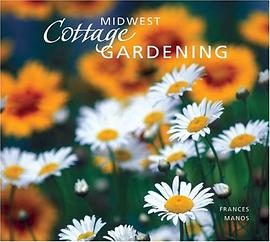
Create your own beautiful cottage garden. This practical book offers advice to help Midwestern gardeners--whether novices or old pros--achieve beautiful, organic gardens drawing on ageold cottage garden traditions. Learn how to use a lively mixture of perennials, annuals, fruiting trees and shrubs, vegetables, and herbs.
Midwest Cottage Gardening: A Journey into the Heart of Midwestern Charm The Midwest, a region often celebrated for its expansive skies and fertile plains, also harbors a quieter, more intimate beauty: the cottage garden. Imagine stepping into a scene painted with soft hues and gentle textures, where rambling roses climb weathered fences, and a profusion of cheerful blooms spill from borders. This is the essence of the Midwest cottage garden, a style that perfectly captures the region’s unpretentious spirit and its deep connection to the land. The Allure of the Midwestern Cottage Garden: More than just a collection of plants, a Midwest cottage garden is an experience. It's a sanctuary of peace and tranquility, a place to escape the everyday and reconnect with nature. It embodies a sense of comfortable abundance, where plants are allowed to mingle and grow with a delightful wildness, yet are thoughtfully curated to create a harmonious and inviting atmosphere. This style is deeply rooted in the practicalities of the region, embracing plants that thrive in its distinct climate, from the humid summers to the crisp, cold winters. Key Characteristics that Define the Style: The beauty of the Midwest cottage garden lies in its approachable and achievable design. It’s a style that welcomes personal expression and celebrates the joy of gardening. Informal and Relaxed Design: Forget rigid lines and perfectly manicured beds. Cottage gardens embrace a flowing, natural aesthetic. Plants are encouraged to self-seed, to lean into each other, creating a lush, layered effect. Paths might be gently winding, made of crushed gravel or stepping stones, inviting exploration. There’s a sense of charming disarray, a feeling that nature has been nudged rather than dictated. Abundant Flowering Plants: This is the heart of the cottage garden. A profusion of colorful, long-blooming flowers is essential. Think of a symphony of blossoms, where different textures, heights, and colors play together. Native perennials that have stood the test of time in the Midwest are often the stars. These might include the iconic coneflowers (Echinacea) in shades of purple and pink, the vibrant butterfly weed (Asclepias tuberosa) that draws in pollinators, or the sturdy Black-Eyed Susans (Rudbeckia) that light up the landscape with their golden faces. Layered Planting: To achieve that sought-after fullness, a cottage garden utilizes different layers of planting. Tall, stately plants like delphiniums or hollyhocks might anchor the back of a border, providing vertical interest. Mid-height perennials such as peonies, astilbes, or phlox create a dense middle layer. Lower-growing groundcovers or annuals fill in the gaps, suppressing weeds and adding a carpet of color. A Mix of Perennials, Annuals, and Shrubs: The dynamic nature of a cottage garden is often achieved by blending different plant types. Hardy perennials form the backbone, offering reliable blooms year after year. Annuals provide quick bursts of color and fill in any bare spots, allowing for experimentation and seasonal updates. Shrubs, especially those with attractive flowers or foliage, add structure and year-round interest. Consider flowering shrubs like lilacs, hydrangeas, or even the resilient serviceberry, which offers spring blossoms, edible berries, and stunning fall color. Emphasis on Texture and Form: Beyond just color, a successful cottage garden considers the varied textures and forms of its plants. The feathery plumes of ornamental grasses, the bold, architectural leaves of hostas, the delicate lace-like flowers of Queen Anne’s Lace, or the spiky blossoms of Veronica all contribute to a rich tapestry. This variety adds depth and visual interest, even when flowers are not in peak bloom. Charming Structures and Embellishments: The "cottage" element often includes delightful structures that enhance the garden’s character. A rustic bench tucked away in a shaded corner invites quiet contemplation. An old watering can, a vintage birdbath, or a climbing trellis draped with a fragrant vine can add a touch of nostalgia and personality. Even a simple wooden picket fence, often weathered and softened by time, contributes to the quintessential cottage aesthetic. A Haven for Wildlife: A well-designed cottage garden is a magnet for beneficial insects, birds, and other small creatures. By selecting a diverse range of plants that offer nectar, pollen, seeds, and shelter, gardeners can create a vibrant ecosystem. Plants like sunflowers, zinnias, and asters are particularly attractive to pollinators. Berry-producing shrubs and trees provide food for birds, and dense plantings offer safe havens for small wildlife. Cultivating Your Own Midwest Cottage Garden: Bringing the charm of a cottage garden to your Midwest home is a rewarding endeavor. It’s a process that encourages learning, observation, and a deep appreciation for the natural world. Understanding Your Site: The first step is to assess your garden’s conditions: how much sunlight does it receive? What is your soil like? Knowing these fundamentals will help you choose plants that will thrive and flourish. The Midwest experiences a range of microclimates, so understanding your specific location’s sun exposure and soil drainage is crucial. Choosing the Right Plants: Selecting plants that are well-suited to the Midwest climate is paramount. Favoring native plants is often a wise choice, as they are naturally adapted to the local conditions and support the regional ecosystem. Consider incorporating a mix of: Shrubs: Lilac (Syringa), Hydrangea, Potentilla, Viburnum, Serviceberry (Amelanchier). Perennials: Coneflower (Echinacea), Black-Eyed Susan (Rudbeckia), Bee Balm (Monarda), Astilbe, Peony (Paeonia), Daylily (Hemerocallis), Phlox, Salvia, Columbine (Aquilegia), Coreopsis, Yarrow (Achillea). Annuals: Marigolds, Zinnias, Petunias, Snapdragons, Cosmos. Ornamental Grasses: Little Bluestem (Schizachyrium scoparium), Switchgrass (Panicum virgatum), Fountain Grass (Pennisetum). Planting with a Purpose: When planting, think about how the plants will interact over time. Place taller plants towards the back of borders, shorter ones in front. Consider bloom times to ensure continuous color throughout the growing season. Don’t be afraid to plant in drifts or clusters, allowing plants to naturally fill in. Loosen the soil well, especially when planting perennials, to give their roots room to grow. Embracing the Imperfect: The true magic of a cottage garden lies in its acceptance of natural growth. Allow plants to self-seed, perhaps in unexpected but welcome places. Don’t be overly concerned with perfect symmetry or pristine edges. A slightly wilder look is not only characteristic of the style but also more sustainable and beneficial for wildlife. Seasonal Care: While cottage gardens are known for their relaxed nature, they still require some attention. Regular watering, especially during dry spells, is important. Deadheading spent blooms can encourage more flowering. Weeding is necessary, but a thick layer of mulch can help suppress weeds and retain moisture. In the fall, consider leaving spent flower heads and seed pods standing, as they provide food for birds and add winter interest. The Midwest cottage garden is an invitation to slow down, to appreciate the subtle beauty of nature, and to create a personal haven that reflects the enduring charm of the region. It’s a style that encourages experimentation, celebrates abundance, and ultimately, brings immense joy to those who cultivate it.
作者简介
目录信息
读后感
评分
评分
评分
评分
评分
用户评价
评分
评分
评分
评分
评分
相关图书












本站所有内容均为互联网搜索引擎提供的公开搜索信息,本站不存储任何数据与内容,任何内容与数据均与本站无关,如有需要请联系相关搜索引擎包括但不限于百度,google,bing,sogou 等
© 2026 book.quotespace.org All Rights Reserved. 小美书屋 版权所有