


具体描述
Reference Collection Development: Building a Foundation for Knowledge A library's reference collection is its beating heart, a curated repository designed to empower users in their pursuit of information and understanding. Reference Collection Development delves into the intricate art and science of constructing and maintaining such a vital resource. This comprehensive exploration navigates the multifaceted landscape of selecting, acquiring, organizing, and evaluating reference materials, ensuring they remain relevant, accessible, and effective in meeting the diverse needs of library patrons. The journey begins with a deep understanding of the user community. Recognizing the unique demographics, academic disciplines, research interests, and information-seeking behaviors of your patrons is paramount. This involves more than just a cursory observation; it requires active engagement through surveys, feedback mechanisms, and direct interaction. Understanding who your users are and what they need to know forms the bedrock upon which a robust reference collection is built. Are you serving a university with advanced research programs? A public library catering to lifelong learners of all ages? A specialized institution with a focus on a particular industry? Each scenario demands a tailored approach to collection development. Following user needs assessment, the focus shifts to the evaluation and selection of reference sources. This is not a passive process of simply ordering popular titles. It involves a critical appraisal of a vast array of materials, from traditional print encyclopedias, dictionaries, and bibliographies to the ever-expanding universe of online databases, digital archives, and specialized software. Librarians must develop a discerning eye for quality, accuracy, currency, scope, and intended audience. Are the authors reputable? Is the information factually sound and up-to-date? Does the resource provide comprehensive coverage of its subject? What is the cost-effectiveness and long-term value? The selection criteria are rigorous, demanding a balance between providing depth and breadth, catering to both general inquiries and specialized research needs. Acquisition strategies are then meticulously planned and executed. This encompasses understanding different procurement models, negotiating with vendors, managing budgets, and ensuring timely delivery of materials. It also involves an awareness of licensing agreements for electronic resources, a critical component of modern reference collections. For digital resources, librarians must consider factors such as platform accessibility, user interface design, and the availability of remote access. The organization and accessibility of the reference collection are equally crucial. While traditional cataloging and classification systems provide a framework, the digital age necessitates innovative approaches to ensure discoverability. This includes effective metadata creation, the implementation of robust discovery layers, and the strategic use of subject headings and keywords. Making information easy to find is as important as having the information itself. Moreover, Reference Collection Development is an ongoing, dynamic process. Collections are not static entities; they must evolve to reflect changing information landscapes, emerging disciplines, and shifts in user demand. This necessitates a continuous cycle of evaluation, weeding outdated or underutilized materials, and proactive acquisition of new resources. A comprehensive evaluation plan is essential, utilizing usage statistics, patron feedback, and expert reviews to inform collection management decisions. This ensures that the reference collection remains a vibrant and relevant resource, rather than a stagnant archive. The digital revolution has profoundly reshaped the landscape of reference services and, consequently, collection development. The proliferation of online resources, including scholarly databases, e-books, open access journals, and streaming media, requires librarians to possess a sophisticated understanding of digital curation and preservation. Selecting and managing electronic resources involves considerations such as platform stability, vendor reliability, interoperability, and long-term access rights. Building a strong digital reference collection demands strategic investment in subscription services, careful evaluation of open access initiatives, and a commitment to providing equitable access to a wide range of digital tools. Furthermore, the role of the librarian in reference collection development extends beyond mere acquisition. It involves cultivating an environment that fosters information literacy. This means not only providing access to materials but also equipping users with the skills to effectively find, evaluate, and utilize information. Librarians play a critical role in guiding users through the complexities of information retrieval, teaching them how to navigate databases, discern credible sources, and synthesize information to meet their specific needs. In essence, Reference Collection Development is a strategic imperative for any library committed to serving its community effectively. It is a discipline that blends critical thinking, a deep understanding of information science, a keen awareness of user needs, and a forward-looking perspective on the evolving information ecosystem. By diligently applying these principles, libraries can build and maintain reference collections that are not only rich in content but also empowering for all who seek knowledge.
作者简介
目录信息
读后感
评分
评分
评分
评分
评分
用户评价
评分
评分
评分
评分
评分
相关图书




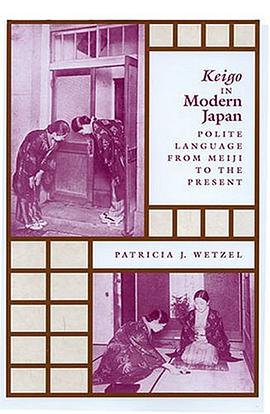





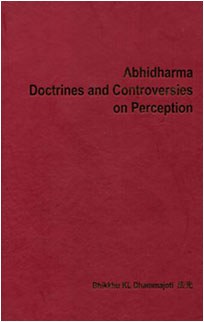


本站所有内容均为互联网搜索引擎提供的公开搜索信息,本站不存储任何数据与内容,任何内容与数据均与本站无关,如有需要请联系相关搜索引擎包括但不限于百度,google,bing,sogou 等
© 2026 book.quotespace.org All Rights Reserved. 小美书屋 版权所有