

具体描述
Amazon.com
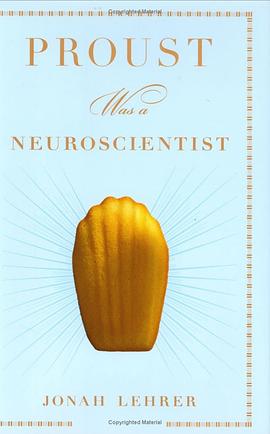
Amazon Significant Seven, December 2007: Proust may have been more neurasthenic than neuroscientist, but Jonah Lehrer argues in Proust Was a Neuroscientist that he (and many of his fellow artists) made discoveries about the brain that it took science decades to catch up with (in Proust's case, that memory is a process, not a repository). Lehrer weaves back and forth between art and science in eight graceful portraits of artists (mostly writers, along with a chef, a painter, and a composer) who understood, better at times than atomizing scientists, that truth can begin with "what reality feels like." Sometimes it's the art that's most evocative in his tales, sometimes the science: Lehrer writes about them with equal ease and clarity, and with a youthful confidence that art and science, long divided, may yet be reconciled. --Tom Nissley
From Publishers Weekly
With impressively clear prose, Lehrer explores the oft-overlooked places in literary history where novelists, poets and the occasional cookbook writer predicted scientific breakthroughs with their artistic insights. The 25-year-old Columbia graduate draws from his diverse background in lab work, science writing and fine cuisine to explain how Cézanne anticipated breakthroughs in the understanding of human sight, how Walt Whitman intuited the biological basis of thoughts and, in the title essay, how Proust penetrated the mysteries of memory by immersing himself in childhood recollections. Lehrer's writing peaks in the essay about Auguste Escoffier, the chef who essentially invented modern French cooking. The author's obvious zeal for the subject of food preparation leads him into enjoyable discussions of the creation of MSG and the decidedly unappetizing history of 18th- and 19th-century culinary arts. Occasionally, the science prose risks becoming exceedingly dry (as in the enthusiastic section detailing the work of Lehrer's former employer, neuroscientist Kausik Si), but the hard science is usually tempered by Lehrer's deft way with anecdote and example. Most importantly, this collection comes close to exemplifying Lehrer's stated goal of creating a unified third culture in which science and literature can co-exist as peaceful, complementary equals. 21 b&w illus. (Nov.)
作者简介
目录信息
读后感
【The Invisible Cities】by Calvino reminded me this book【Proust was a Neuroscientist】 so I took it down my shelf and read it again. The pages have turned yellow - it’s been a while, published in 2007. The author Jonah Lehrer used to work in the lab of Er...
评分【The Invisible Cities】by Calvino reminded me this book【Proust was a Neuroscientist】 so I took it down my shelf and read it again. The pages have turned yellow - it’s been a while, published in 2007. The author Jonah Lehrer used to work in the lab of Er...
评分【The Invisible Cities】by Calvino reminded me this book【Proust was a Neuroscientist】 so I took it down my shelf and read it again. The pages have turned yellow - it’s been a while, published in 2007. The author Jonah Lehrer used to work in the lab of Er...
评分【The Invisible Cities】by Calvino reminded me this book【Proust was a Neuroscientist】 so I took it down my shelf and read it again. The pages have turned yellow - it’s been a while, published in 2007. The author Jonah Lehrer used to work in the lab of Er...
评分【The Invisible Cities】by Calvino reminded me this book【Proust was a Neuroscientist】 so I took it down my shelf and read it again. The pages have turned yellow - it’s been a while, published in 2007. The author Jonah Lehrer used to work in the lab of Er...
用户评价
《普鲁斯特是神经科学家》这个书名,就像一把钥匙,打开了我对文学和科学交汇之处的好奇心。我一直认为,伟大的文学作品,往往能触及到人类最本质的经验,而这些经验,在某种程度上,也与我们的大脑息息相关。这本书的出现,似乎在试图弥合文学的感性与科学的理性之间的鸿沟,让我对如何从神经科学的角度去理解文学创作产生浓厚的兴趣。我想知道,作者是如何将普鲁斯特那些充满哲思和情感的文字,与神经科学的理论和研究结合起来的。书中是否会深入探讨普鲁斯特对“自我”的认知,以及这种认知如何与大脑的自我参照网络相呼应?他对“意识”的描绘,是否能够为我们理解意识的本质提供新的线索?我期待这本书能够带领我进入一个全新的认知领域,去发现文学之美背后隐藏的科学规律,从而更深刻地理解人类的思维、情感和存在。
评分读到《普鲁斯特是神经科学家》这个书名,我首先联想到的是一种“穿越”的感觉。仿佛是某个现代的科学探索者,带着他专业的知识和工具,回溯到了过去,去“发现”一位伟大的作家身上所蕴含的科学真谛。这种视角本身就极具吸引力,它颠覆了我们通常将文学和科学视为独立甚至对立领域的刻板印象。我好奇作者是如何将普鲁斯特那些充满感性、意象纷呈的文字,转化为科学的语言和论据的。这本书是否会详细解读《追忆逝水年华》中的某些片段,然后将其与大脑的某个功能区,或者某种神经递质的运作联系起来?例如,书中是否会分析普鲁斯特对“非自主记忆”的描写,并将其与海马体和杏仁核的协同作用联系起来?或者,他对于情感体验的细致描摹,是否能映射出大脑中情绪处理网络的复杂性?我对这本书如何平衡文学的艺术性与科学的严谨性感到好奇,是否会存在一种“牵强附会”的风险,还是作者能够提供令人信服的论证?这让我对理解人类的意识、记忆和情感有了更深层次的期待。
评分《普鲁斯特是神经科学家》这个书名,一下子就攫住了我的注意力,仿佛是一个充满智趣的悖论。普鲁斯特,那个以极致的细腻和深刻的心理描写著称的作家,与“神经科学家”,这个代表着严谨、客观和实验的学科,放在一起,本身就极富张力。这不禁让我好奇,作者究竟是如何将这两者联系起来的。这本书是否会详细地分析普鲁斯特作品中对记忆、情感、感知等人类经验的描绘,然后将其与现代神经科学的发现进行对比和印证?我猜想,作者可能是在探讨普鲁斯特的文学实践,是否在无意中“触及”了神经科学研究的一些核心问题,比如,记忆是如何被编码、存储和提取的?情感是如何在大脑中产生的?我们对现实的感知又是如何形成的?我非常期待这本书能够提供一个全新的视角,让我们在欣赏文学作品的同时,也能从科学的角度去理解人类的内在世界,揭示艺术与科学之间可能存在的深刻关联。
评分一本叫做《普鲁斯特是神经科学家》的书,单看书名就足够引人遐想。普鲁斯特,这位以《追忆逝水年华》闻名的法国作家,他的作品以细腻入微的心理描写、对时间和记忆的深刻探索而著称。而“神经科学家”这个词,则将我们带入了一个充满理性、实验和科学证据的领域。这两种看似截然不同的领域,在书名中被巧妙地结合,不禁让人好奇作者是如何在这两者之间建立起联系的。这本书是否在试图证明,普鲁斯特的文学创作,实际上已经触及了甚至预见了现代神经科学的一些关键发现?作者又是如何通过分析普鲁斯特的作品,来揭示隐藏在其文字背后的神经科学原理的呢?是关于记忆的形成和提取?还是关于情感的神经机制?抑或是关于意识的奥秘?我期待着这本书能为我打开一扇全新的视角,让我重新审视文学与科学的关系,或许还能在那些优美的文字中,发现更深层次的智慧和启示。这不仅仅是对一部文学作品的解读,更像是一场跨学科的探索之旅,将我带入一个充满未知的领域,去发掘那些埋藏在艺术与科学之间的共鸣。
评分《普鲁斯特是神经科学家》这个书名,给我一种“解密”的快感。它暗示着,那些我们通常认为只属于文学范畴的深刻洞察,其实在更根本的层面上,与我们大脑的运作方式有着千丝万缕的联系。我非常好奇作者是如何找到这个连接点的。普鲁斯特的写作以其惊人的洞察力而闻名,他能够捕捉到人类内心最微妙的变化,对时间和记忆的感知尤其独特。我想象着,这本书或许会从神经科学的角度,去剖析普鲁斯特是如何“理解”甚至“预见”了我们大脑处理信息、形成记忆、体验情感的机制。比如,他笔下那些由一个微小的感官刺激引发的回忆潮,是否能被解释为大脑中信息联想和激活的神经回路?书中是否会探讨,普鲁斯特对“时间流逝”的主观感受,与我们大脑中不同区域处理时间和连续性的方式有关?我期待这本书能够提供一种全新的解读普鲁斯特作品的方式,让我们在欣赏文学之美的同时,也能窥见科学的智慧,从而更深刻地理解人类自身的认知过程。
评分悲催地译完....什么时候能出啊
评分悲催地译完....什么时候能出啊
评分悲催地译完....什么时候能出啊
评分给品酒专家设的红白酒的实验,很有意思。
评分悲催地译完....什么时候能出啊
相关图书













本站所有内容均为互联网搜索引擎提供的公开搜索信息,本站不存储任何数据与内容,任何内容与数据均与本站无关,如有需要请联系相关搜索引擎包括但不限于百度,google,bing,sogou 等
© 2026 book.quotespace.org All Rights Reserved. 小美书屋 版权所有