

具体描述
在线阅读本书
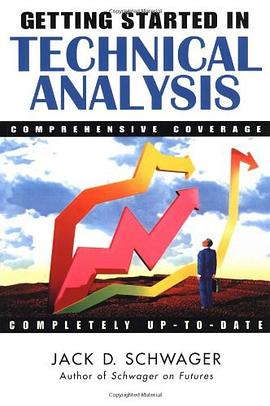
Revered by many, reviled by some, technical analysis is the art and science of deciphering price activity to better understand market behavior and identify trading opportunities. In this accessible guide, Jack Schwager—perhaps the most recognized and respected name in the field—demystifies technical analysis for beginning investors, clearly explaining such basics as trends, trading ranges, chart patterns, stops, entry, and exit and pyramiding approaches. The book's numerous examples and clear, simple explanations provide a solid framework for using technical analysis to make better, more informed investment decisions and as the basis for mechanical trading systems. Along with Schwager's invaluable trading rules and market observations culled from years of real-world trading experience, Getting Started in Technical Analysis offers in-depth coverage of:
* Types of charts—bar, close-only, point-and-figure, candlestick.
* Chart patterns—one-day, continuation, top and bottom formations, the importance of failed signals.
* Trading systems—trend-following, counter-trend, pattern recognition.
* Charting and analysis software—price data issues, time frame/trading style considerations, software research.
* he planned trading approach—trading philosophy, choosing markets, risk control strategies, establishing a trading routine.
From the Publisher
Technical analysis is the art and science of deciphering chart patterns in order to better analyze and predict prices of a given security. Jack Schwager demystifies technical analysis for investors, introducing them to oscillators, price-and-time charts, on-line charting applications, and much more.
From the Back Cover
Revered by many, reviled by some, technical analysis is the art and science of deciphering price activity to better understand market behavior and identify trading opportunities. In this accessible guide, Jack Schwager—perhaps the most recognized and respected name in the field—demystifies technical analysis for beginning investors, clearly explaining such basics as trends, trading ranges, chart patterns, stops, entry, and exit and pyramiding approaches. The book's numerous examples and clear, simple explanations provide a solid framework for using technical analysis to make better, more informed investment decisions and as the basis for mechanical trading systems. Along with Schwager's invaluable trading rules and market observations culled from years of real-world trading experience, Getting Started in Technical Analysis offers in-depth coverage of:
* Types of charts—bar, close-only, point-and-figure, candlestick.
* Chart patterns—one-day, continuation, top and bottom formations, the importance of failed signals.
* Trading systems—trend-following, counter-trend, pattern recognition.
* Charting and analysis software—price data issues, time frame/trading style considerations, software research.
* he planned trading approach—trading philosophy, choosing markets, risk control strategies, establishing a trading routine.
作者简介
目录信息
读后感
评分
评分
评分
评分
用户评价
这本书的叙事节奏掌握得极其不稳定,有时候快得像一阵风,知识点如同瀑布般倾泻而下,让人措手不及,根本来不及消化吸收;而有时候又慢得像蜗牛爬行,在一些极其基础且不重要的概念上花费了过多的篇幅进行冗长、重复的阐述,让人感到不耐烦。特别是早期关于市场结构和基本术语的介绍部分,那种拖沓感简直令人抓狂,仿佛作者在极力地填充页数,而不是在有效地传授知识。更别提那些例子了——它们陈旧得令人发指,选取的案例大多是几十年前的市场走势,与当前瞬息万变的交易环境几乎毫无关联性,根本无法提供任何实际操作上的指导意义。读者期待的是一套与时俱进、能够应用于当下市场的分析框架,而不是历史文献的回顾。这种叙事上的失衡,使得这本书的学习曲线变得异常陡峭,对于需要清晰、逐步引导的学习者来说,这种跳跃式的讲解方式无疑是一种折磨,让人感觉自己像是在迷宫里乱撞,找不到清晰的出口。
评分书中关于风险管理和资金分配的部分,内容简直薄弱得令人发指,与其说它是一本全面的技术分析指南,不如说它是一个过于乐观的技术指标罗列手册。在探讨任何一个工具的有效性时,作者似乎都沉浸在“如果一切按计划进行”的美好假设中,对市场可能出现的极端情况、黑天鹅事件以及交易心理学的负面影响避而不谈,或者只是用一两句极其敷衍的警示草草了事。这在高度依赖风险控制的市场活动中是不可接受的。一个真正负责任的入门读物,应该将风险管理置于与分析方法同等甚至更高的地位。我期待看到的是关于如何设置止损、如何应对市场噪音、如何管理情绪波动的深度讨论,但这本书在这方面几乎是交了白卷,提供的只是些不痛不痒的建议,这使得这本书的指导价值大打折扣,读完后我感觉自己“学会”了一些图表知识,但对于如何在真实市场中生存下来,却依然感到迷茫和无助。
评分我必须指出,作者在解释核心概念时所采用的语言风格,带着一种令人难以接近的傲慢和疏离感。他似乎预设了读者已经拥有一定的金融背景知识,因此在关键的逻辑推导环节常常使用大量的行话和简写,却鲜少提供清晰、直观的类比或生活化的解释来巩固理解。这种“你只要懂,我就不废话”的态度,对于真正需要“入门”指导的读者来说,是极具破坏性的。当我遇到一个完全陌生的指标或理论时,我希望得到的是深入浅出的讲解,而不是被丢进一个术语的黑洞里自行摸索。这本书的语气更像是资深交易员写给同行看的备忘录,充满了未经充分阐释的“常识”。结果就是,我不得不频繁地中断阅读,去查阅其他更基础的资料来反向验证和理解作者在这里轻描淡写带过的内容,这极大地降低了学习效率,也让我对作者作为“启蒙者”的定位产生了深深的怀疑。
评分这本书的排版和装帧简直是一场视觉的灾难,初次上手时,我几乎要因为找不到重点而放弃。那种老旧的字体和生硬的章节划分,让人感觉仿佛在翻阅一本上世纪八十年代的教科书,丝毫没有现代金融书籍应有的那种流畅感和易读性。我花了大量时间试图在那些密密麻麻的图表和公式间梳理出作者的逻辑主线,但效果甚微。尤其是那些关于K线形态的插图,模糊不清,很多关键的细节在高分辨率的屏幕上都显得模糊不清,这对于一个需要精确观察图表细节的初学者来说,是致命的缺陷。坦白讲,如果不是我对技术分析领域有强烈的求知欲,我肯定会因为这糟糕的视觉体验而将其束之高阁,根本不会深入阅读。作者似乎完全没有考虑到读者的阅读体验,只是将一堆知识点堆砌在一起,缺乏必要的引导和润饰,使得整个阅读过程充满了挫败感,让人不禁怀疑其专业性,仅仅从物理接触这本书的体验来看,这无疑是一次不愉快的经历。
评分令人困惑的是,本书中对不同分析流派的介绍显得极其片面和带有明显的个人偏向性。作者在介绍某些特定分析工具时,笔锋犀利,论据充分,仿佛这些方法就是通往财富的唯一路径;然而,当涉及到其他主流的技术分析学派时,却流露出明显的轻蔑或草率处理,常常用一小段话就将其贬低或忽略。这种非黑即白的论调,严重损害了本书作为一本中立教育材料的公信力。技术分析领域本身就是一个充满争议和多元视角的领域,优秀的入门书籍应该公正地呈现各种主流观点的优势与局限,让读者自己去判断和取舍。这种带有强烈个人色彩的“布道”式写作,不仅没有帮助读者建立一个全面的、客观的市场理解框架,反而可能误导初学者过早地将所有希望寄托于某一种可能并不适合自己的方法论之上,限制了读者未来的学习和成长的可能性,实属不智。
评分 评分 评分 评分 评分相关图书



















本站所有内容均为互联网搜索引擎提供的公开搜索信息,本站不存储任何数据与内容,任何内容与数据均与本站无关,如有需要请联系相关搜索引擎包括但不限于百度,google,bing,sogou 等
© 2026 book.quotespace.org All Rights Reserved. 小美书屋 版权所有