
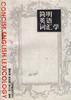

具体描述
作者简介
目录信息
I. Introduction
1. What is lexicology?
2. The five sub-branches of lexicology
3. The relations of lexicology to other branchesof linguistics
3.1 Its relation to general linguistics
3.2 Its relation to grammar
3.3 Its relation to phonetics
3.4 Its relation to stylistics
4. The significance of learning lexicology
1.The English Vocabulary
1.A glimpse at the English vocabulary
1.1 Extremely rich vocabulary
1.2 Native words being the foundation of English
1.3 The rapid growth of the present-day English vocabulary
1.4 Three periods of the history of the English language
2. Classification of English words accordmg to different criteria
2.1 According to origin
2.2 According to level of usage
2.3 According to notion
3 Sources of the English vocabulary
3.1 Native element
3.2 Foreign element
Word-structure
1 Morphemes
1.1 What isa morpheme?
1.2 Morphemes and phonemes
1.3 Morphemes and syllables
2 Classification of morphemes
2.1 Free morphemes and bound morphemes
2.2 Roots and affixes
2.3 Relationship between the two classifications
3. Classification of words on morohemic level
4. Root, stem , base
5. Hybrids
English Word-formation
1. Ways of word-formation
2. Compounding
2.1 What is compounding?
2.2 Classification of compounds
2.3 The stylistic value of compounds
2.4 The differences between compounds and
free phrases
3. Derivation
3.1 What is derivation?
3.2 Classification of derivation
4 Conversion
4.1 What is conversion?
4.2 Types of conversion
4.3 The stylistic value of converted words
5 Clipping
5.1 What is clipping?
5.2 Types of clippings
5.3 Characteristics of clippings
6 Initialisms
6.1 What is initialism?
6.2 Types of initialisms
7 Acronyms
7.1 What are acronyms?
7.2 Some characteristics of acronyms
8 Blending
8.1 What is blending?
8.2 Classification of blends
9 Back-formation
9.1 What is back-formation?
9.2 Types of back-formation
10 Reduplication
10.1 What is reduplication?
10.2 Types of reduplication
11. Words from proper names
12. Shift of stress
V. Semantics
1. Semantics
2. Types of word meaning
2.1 Grammatical meaning
2.2 Lexical meaning
3. Polysemy
3.1 What is polysemy?
3.2 Two processes leading to polysemy
3.3 Polysemy and context
4. Homonyms
4.1 What are homonyms?
4.2 Classification of homonyms
4.3 The stylistic value of polysemy and
homonymy
5. Synonymy
5.1 What is synonymy?
5.2 Synonymous patterns
5.3 Types of synonyms
6. Antonymy
6.1 What is antonymy?
6.2 Types of antonyms
6.3 Some relevant points about antonyms
7. Hyponymy
8. Semantic field
VI Change of Meaning
1 Causes of changes in word meaning
1.1 The extra-linguistic causes
1.2 Linguistic cause
2 Four tendencies in semantic change
2.1 Restriction of meaning(specialization)
2.2 Extension of meaning(generalization)
2.3 Degeneration of meaning(pejoration)
2.4 Elevation of meaning(amelioration)
3 Figures of speech
3.1 Figures based on resemblances
3.2 Figures based on contrast
3.3 Figures based on other relations
V Idiom
1 Definition of idiom
1.1 General definition of idiom
1.2 Specific definition of idiom
2 Characteristic features of English idioms
2.1 Semantic unity
2.2 Structural stability
3 Classification of English idioms
3.1 Classification according to the types ofmotivation of idioms
3.2 Classification according to the sources ofidioms
3.3 Classification according to the lexical or phonetic make-up
3.4 Classification according to structural criteria and grammatical functions
4. The semantic relationship between the com-bination as a whole and its components
5 Rhetorical and stylistic analysis
5.1 Emphatic repetition of the same word or the same meaning conveyed by two different
words
5.2 Contrast of two alternatives
5.3 Vivid comparison
6 The practical application of idioms
6.1 The syntactic function
6.2 Collocation
6.3 Variability of usage
American English
1 A brief historical background of American
English
2 Characteristics of American English
2.1 Creativity
2.2 Conservatism
2.3 Uniformity
2.4 Popularity of slang
2.5 Simplicity
3 Differences between British and American
English
3.1 Differences in pronunciation and intonation
3.2 Ditterences in grammar
3.3 Differences in vocabulary
3.4 Differences in spelling and punctuation
IX English Lexicography
1 Lexicography and its relationship with lexicology
1.1 What is lexicography?
1.2 The relationship between lexicography and lexicology
2. Types of dictionaries
2.1 Linguistic and non-linguistic dictionaries
2.2 General and special dictionaries
2.3 Monolingual and bilingual dictionaries
2.4 Diachronic and synchronic dictionaries
3 How to choose and use a dictionary?
3.1 How to choose a dictionary?
3.2 How to use a dictionary?
3.3 Recommendation of some up-to-date
dictionaries
Key to Exercises
Blbliography
Appendixes
1 Classification of the world's Languages
1 The Indo--European Language Family
1 A Table of Graded Words
IV A Glossary in English and Chinese
· · · · · · (收起)
读后感
评分
评分
评分
评分
用户评价
这本书的排版简直是一场灾难,仿佛是匆匆忙忙用最廉价的软件拼凑出来的。字体选择极其随意,粗细不一,大小跳跃,让人在阅读时不得不时刻紧绷着神经,生怕错过哪个关键信息点。更别提那粗糙的纸张质量,油墨印得模模糊糊,有些页面的墨迹甚至渗透到了背面,使得原本就让人头疼的版面设计雪上加霜。每次翻页都伴随着一种廉价纸张特有的沙沙声,让人感到心烦意乱。我本来是想找一本能沉下心来深入学习的工具书,结果却被这糟糕的物理制作工艺劝退了。如果内容本身再出色一点,或许还能忍受这粗糙的装帧,但现实是,在如此不友好的阅读体验下,我根本无法集中精力去理解那些本该清晰明了的理论阐述。我严重怀疑出版社在制作过程中是否进行过任何质量控制,这根本不是一本正规出版物应有的水准,更像是一个未经校对的草稿集合。
评分这本书的行文逻辑实在令人摸不着头脑,感觉作者的思路是天马行空、信马由缰的。每一个章节之间缺乏明确的过渡和承接,读起来就像是零散知识点的堆砌,而不是一个有机的知识体系。举例来说,某个核心概念刚被引入,下一段可能就跳跃到了一个毫不相关的历史背景介绍,等你试图梳理清楚这两者之间的联系时,作者又突然转向了某个语言学流派的最新观点,而且解释得极其晦涩,完全没有提供任何必要的背景铺垫。这对于初学者来说是极其不友好的,我时常需要停下来,翻阅其他资料来填补这些逻辑断层。对于一本声称“简明”的教材而言,这种跳跃性和内在的混乱性是致命的缺陷。它没有起到引导和梳理的作用,反而像是给已经复杂的问题又增添了一层迷雾。
评分这本书的术语注释系统简直是一场噩梦,完全没有起到辅助理解的作用,反而制造了更多的障碍。许多关键的语言学术语,初次出现时作者并没有提供清晰的、独立的定义,而是期望读者能够从上下文的零碎信息中自行推断。当我终于在一个章节的末尾找到一个简短的定义时,却发现它使用了另一组我完全不熟悉的专业术语进行解释,形成了一个恶性循环的定义链。更令人抓狂的是,书后竟然没有一个详尽的术语索引或者附录,使得我在回顾或查找特定概念时,只能依靠翻阅前面模糊不清的章节标题。对于一本旨在“简明”的教材来说,这种对读者检索便利性的漠视,无疑是对学习过程的最大阻碍。它似乎预设了读者已经具备了扎实的语言学背景知识,这与它作为入门读物的定位完全相悖。
评分这本书的理论深度和广度控制得非常失衡,仿佛作者在一味追求“包罗万象”而牺牲了必要的深度挖掘。它试图涵盖语言学中所有主要的词汇研究分支,从词源学到语义学,再到词汇的社会语言学考察,不一而足。然而,每一个领域都只是蜻蜓点水式地提及了一两个基本概念,然后便草草收场,让人感觉像是在浏览一本超长篇的目录,而非一本真正有内容的学术著作。例如,当讲到构词法时,它仅仅列举了几种常见的词缀,却没有深入分析这些构词模式在不同语境下的句法语义变化机制,也没有提供足够的、有层次的练习来巩固理解。这种“什么都想讲,但什么都没讲透”的处理方式,最终的结果就是读者既没有获得扎实的理论基础,也没有积累丰富的实战经验,极其令人沮丧。
评分我必须指出,这本书在案例选取上存在严重的时代滞后性,这让它在实际应用层面上大打折扣。许多例句和词汇搭配都停留在上个世纪的语境中,完全无法反映当代英语的真实使用情况。例如,书中还在大篇幅讨论一些已经不再常用的俚语或特定职业的术语,而对于当下互联网、科技、全球化背景下大量涌现的新词汇和新表达却只字未提,或者提及了也只是寥寥数语,处理得极其敷衍。这使得我感觉自己像是在学习一本过时的语言学“化石”,而非面向未来的工具。如果学习词汇的目的是为了更好地与现代世界交流,那么这本书提供的知识储备显然是不够与时俱进的。一个语言学的入门读物,理应紧密贴合时代脉搏,这本书在这方面表现得极其保守和不合格。
评分 评分 评分 评分 评分相关图书









本站所有内容均为互联网搜索引擎提供的公开搜索信息,本站不存储任何数据与内容,任何内容与数据均与本站无关,如有需要请联系相关搜索引擎包括但不限于百度,google,bing,sogou 等
© 2026 book.quotespace.org All Rights Reserved. 小美书屋 版权所有