
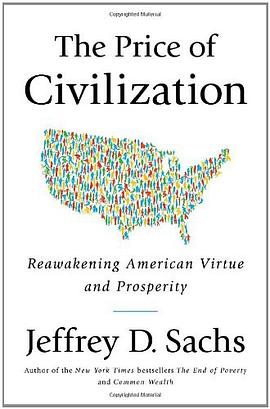

具体描述
For more than three decades, Jeffrey D. Sachs has been at the forefront of international economic problem solving. But Sachs turns his attention back home in The Price of Civilization, a book that is essential reading for every American. In a forceful, impassioned, and personal voice, he offers not only a searing and incisive diagnosis of our country’s economic ills but also an urgent call for Americans to restore the virtues of fairness, honesty, and foresight as the foundations of national prosperity.
As he has done in dozens of countries around the world in the midst of economic crises, Sachs turns his unique diagnostic skills to what ails the American economy. He finds that both political parties—and many leading economists—have missed the big picture, offering shortsighted solutions such as stimulus spending or tax cuts to address complex economic problems that require deeper solutions. Sachs argues that we have profoundly underestimated globalization’s long-term effects on our country, which create deep and largely unmet challenges with regard to jobs, incomes, poverty, and the environment. America’s single biggest economic failure, Sachs argues, is its inability to come to grips with the new global economic realities.
Yet Sachs goes deeper than an economic diagnosis. By taking a broad, holistic approach—looking at domestic politics, geopolitics, social psychology, and the natural environment as well—Sachs reveals the larger fissures underlying our country’s current crisis. He shows how Washington has consistently failed to address America’s economic needs. He describes a political system that has lost its ethical moorings, in which ever-rising campaign contributions and lobbying outlays overpower the voice of the citizenry. He also looks at the crisis in our culture, in which an overstimulated and consumption-driven populace in a ferocious quest for wealth now suffers shortfalls of social trust, honesty, and compassion.
Finally, Sachs offers a plan to turn the crisis around. He argues persuasively that the problem is not America’s abiding values, which remain generous and pragmatic, but the ease with which political spin and consumerism run circles around those values. He bids the reader to reclaim the virtues of good citizenship and mindfulness toward the economy and one another. Most important, he bids each of us to accept the price of civilization, so that together we can restore America to its great promise.
The Price of Civilization is a masterly road map for prosperity, founded on America’s deepest values and on a rigorous understanding of the twenty-first-century world economy.
作者简介
杰弗里•萨克斯,“休克疗法”之父,著名全球发展问题专家。29岁时成为哈佛大学经济学终身教授。现任哥伦比亚大学地球研究所所长、联合国秘书长首席经济顾问。《时代》周刊称他“可能是世界上最重要的经济学家”。
出版有《贫穷的终结:我们时代的经济可能》、《共同财富:可持续发展将如何改变人类命运》、《文明的代价》等重要著作,均为《纽约时报》畅销书。
目录信息
读后感
The style and timing of the book is quite similar to Thomas Friedman's That Used to be Us. Essentially, the author tries to convince readers that the economics in the US has deeply be distorted by the polarized politics, and the American political system ne...
评分The style and timing of the book is quite similar to Thomas Friedman's That Used to be Us. Essentially, the author tries to convince readers that the economics in the US has deeply be distorted by the polarized politics, and the American political system ne...
评分The style and timing of the book is quite similar to Thomas Friedman's That Used to be Us. Essentially, the author tries to convince readers that the economics in the US has deeply be distorted by the polarized politics, and the American political system ne...
评分The style and timing of the book is quite similar to Thomas Friedman's That Used to be Us. Essentially, the author tries to convince readers that the economics in the US has deeply be distorted by the polarized politics, and the American political system ne...
评分The style and timing of the book is quite similar to Thomas Friedman's That Used to be Us. Essentially, the author tries to convince readers that the economics in the US has deeply be distorted by the polarized politics, and the American political system ne...
用户评价
《文明的代价》这本书,与其说是阅读,不如说是一种精神上的“洗礼”。它以一种极其宏大的视角,审视了人类文明数千年的演变,并且毫不客气地指出了其代价。我之前总觉得,我们现在的科技如此发达,生活如此便利,这无疑就是文明的巅峰。但是,这本书彻底颠覆了我这个想法。作者在书中构建了一个极其复杂的思想框架,将经济、政治、文化、伦理等多个维度有机地联系起来,揭示了文明进步过程中所必须付出的巨大代价。书中充满了发人深省的案例和论证,让我不得不重新审视那些我曾引以为傲的“成就”。我最受触动的是关于个体在宏大文明进程中的角色和被牺牲的部分。读到那些字里行间透露出的无奈和悲凉时,我仿佛能听到历史的回声,感受到那些被遗忘的声音。这本书的语言风格也很有特点,既有学术的严谨,又不失文学的感染力,常常让我沉浸在一种既敬畏又忧虑的情绪之中。它不是一本让你看完就能轻松放下,然后继续生活如常的书,它会让你思考,让你不安,也让你对我们所追求的“文明”产生深刻的质疑。
评分这几天读完一本叫做《文明的代价》的书,真是令人醍醐灌顶。我之前总觉得,随着科技的进步,社会的繁荣,我们似乎越来越接近一个更美好的未来。然而,这本书就像一把尖锐的手术刀,毫不留情地剖开了这层美丽的薄纱,揭示出在光鲜亮丽的背后,隐藏着多少我们不愿面对的真相。作者用扎实的考证和深刻的洞察力,将历史的宏大叙事与微观的个体命运巧妙地结合起来。我尤其被书中关于“进步”的定义所触动,它不再是简单的经济增长或技术革新,而是深入到了社会结构、人际关系乃至于个体心灵的层面。读这本书的时候,我时常会停下来,陷入沉思,回想自己所处的时代,以及我们为了所谓的“文明”究竟付出了什么,又牺牲了什么。书中的论证逻辑严密,引用的案例丰富,从古代文明的兴衰到现代社会的种种困境,都展现出一种令人不安的规律性。这不仅仅是一本关于历史或经济学的书,它更像是一面镜子,映照出我们当下存在的种种问题,让我们不得不审视自己所追求的“进步”是否真的朝着正确的方向前进。它迫使我重新思考“文明”的真正含义,以及我们在追逐它的时候,是否已经偏离了人性的初衷。
评分刚合上《文明的代价》这本书,我的脑海里还是满满的关于文明发展得失的思索。这本书的书写风格非常独特,它不像一本普通的历史著作,更像是一系列精心编织的哲学论断,通过历史事件作为例证,来探讨文明背后隐藏的“价格”。我被书中那种冷静而又犀利的分析方式所吸引,作者似乎并不想煽动情绪,而是希望通过理性的剖析,让读者自己去得出结论。我尤其喜欢书中关于“周期性”和“不可避免性”的讨论,它让我意识到,很多我们在现代社会中面临的问题,并非是凭空出现的,而是有着深刻的历史根源。阅读过程中,我反复被书中的某些观点所震撼,它们颠覆了我长期以来对社会进步的一些固有认知。比如,书中对某些看似“进步”的现象的解读,充满了反思,让我不得不去追问,我们付出的代价是否真的值得。这本书的内容极具挑战性,它要求读者放下先入为主的观念,以一种全新的视角去理解人类文明的发展。读完后,我感到一种沉甸甸的责任感,也更加警惕那些披着“文明”外衣的潜在危机。
评分最近刚拜读了《文明的代价》这本书,看完后,内心久久不能平静。这本书并非那种轻松愉快的读物,它更像是一次沉重的思想之旅,带我深入到人类文明发展脉络中的一些幽暗角落。作者以一种近乎考古学家的严谨态度,挖掘出许多被我们忽略的、甚至是刻意回避的细节,来论证其核心观点。我特别欣赏书中那种不回避冲突和矛盾的写作风格,它没有给出一个简单化的答案,而是层层剥茧,引导读者一同去探索复杂的问题。读到某些章节时,我会感到一种莫名的恐惧,仿佛看到了历史巨轮碾过无数生命的痕迹,而我们自以为是的“进步”,可能只是在重复着古老的错误。书中对权力结构、资源分配以及社会不平等的分析,都直指人心,让人不得不反思我们所处的社会是否真的如我们想象的那样公平和高效。这本书的阅读体验是一种挑战,它需要读者具备一定的耐心和批判性思维,但一旦你沉浸其中,便会被其深度和广度所折服。它提供的视角非常独特,让我对许多习以为常的社会现象有了全新的认识,也让我开始警惕那些看似美好的发展背后可能潜藏的巨大隐忧。
评分手里还拿着《文明的代价》这本书,感觉它更像是一部关于人类命运的史诗,只不过是以一种更加深邃和残酷的方式来呈现。作者的叙述方式非常吸引人,他不是直接告诉你答案,而是通过一系列巧妙的提问和引导,让你自己去探索真相。我印象最深的是书中对“秩序”的构建和“自由”的消长之间的辩证关系的论述。它让我意识到,我们所享受的许多便利和安全,都可能以某种形式的牺牲为代价。这本书的阅读体验是一种循序渐进的觉醒,一开始可能觉得有些晦涩,但随着深入阅读,那些原本模糊的联系会逐渐清晰起来,让你看到一个更加宏大和复杂的图景。我特别欣赏作者对历史细节的把握,以及他如何将这些细节串联成一个有力的论证。它不仅仅是在讨论过去,更是在为当下和未来敲响警钟。这本书的价值在于它提供了一个极具启发性的框架,帮助我们去理解人类文明的复杂性和内在张力。读完之后,我对“进步”这个词有了更深刻的理解,也更加意识到,我们在追求更美好的未来时,必须保持警惕,审慎而行。
评分Despite his impeccable analysis and diagnosis, the author did not offer us anything new or non-intuitive. Instead he advocates in line with what President Obama's proposed: build infrastructure, give money to public employees, tax the rich. If you are a Keynesian or a big fan of government playing more roles in economy, you may find comfort in it.
评分Media have developed our over-consumption behaviors. On the other hand, parties always use the media for propaganda and political campaigns to achieve their political purpose. 我居然会看这种书= =
评分Media have developed our over-consumption behaviors. On the other hand, parties always use the media for propaganda and political campaigns to achieve their political purpose. 我居然会看这种书= =
评分Too idealistic
评分Despite his impeccable analysis and diagnosis, the author did not offer us anything new or non-intuitive. Instead he advocates in line with what President Obama's proposed: build infrastructure, give money to public employees, tax the rich. If you are a Keynesian or a big fan of government playing more roles in economy, you may find comfort in it.
相关图书












本站所有内容均为互联网搜索引擎提供的公开搜索信息,本站不存储任何数据与内容,任何内容与数据均与本站无关,如有需要请联系相关搜索引擎包括但不限于百度,google,bing,sogou 等
© 2026 book.quotespace.org All Rights Reserved. 小美书屋 版权所有