

具体描述
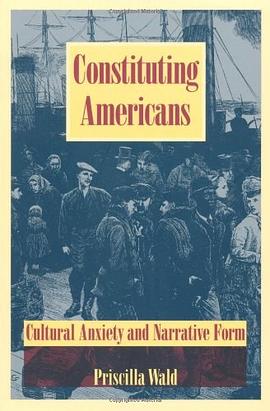
Ever since the founders drafted "We the People," "we" have been at pains to work out the contradictions in their formulation, to fix in words precisely what it means to be American. "Constituting Americans" rethinks the way that certain writers of the mid-nineteenth and early twentieth century contributed to this project; in doing so, it revises the traditional narrative of U.S. literary history, restoring an essential chapter to the story of an emerging American cultural identity. In diverse ways, very different writers--including Frederick Douglass, Herman Melville, Harriet Wilson, W. E. B. Du Bois, and Gertrude Stein--participated in the construction and dissemination of an American identity, but none was entirely at ease in the culture they all helped to define. Evident in their work is a haunting sense of their telling someone else's story, a discomfort that Priscilla Wald reads in the context of legal and political debates about citizenship and personhood that marked the emergence of the United States as a nation and a world power.
From early-nineteenth-century Supreme Court cases to turn-of-the-century Jim Crow and immigration legislation, from the political speeches of Abraham Lincoln to the historical work of Woodrow Wilson, nation-builders addressed the legal, political, and historical paradoxes of American identity. Against the backdrop of their efforts, Wald shows how works such as Douglass's autobiographical narratives, Melville's "Pierre," Wilson's "Our Nig," Du Bois's "The Souls of Black Folks," and Stein's "The Making of Americans" responded, through formal innovations, to the aggressive demands for literary participation in the building of that nation. The conversation that emerges among these literary works challenges the definitions and genres that largely determine not only what works are read, but also how they are read in classrooms in the United States today.
Offering insight into the relationship of storytelling to national identity, "Constituting Americans" will compel the attention of those with an interest in American literature, American studies, and cultural studies.
作者简介
目录信息
读后感
评分
评分
评分
评分
用户评价
这本书的行文风格变化多端,简直像一部精心编排的交响乐。有时候,它会突然切换到一种近乎新闻报道的紧凑和犀利,用扎实的史料和精炼的语言,将一段段历史事件剖析得入木三分,让人肾上腺素飙升,仿佛身临其境地参与了那些关键的辩论与冲突。但紧接着,它又会像一位老者,语重心长地转入一种充满哲学思辨的沉静叙述,探讨抽象概念如何落地为具体的社会实践。这种节奏的张弛有度,使得阅读过程充满了惊喜,完全没有一般历史著作那种可能出现的单调乏味感。我发现自己常常需要停下来,反复琢磨某一句措辞精妙的总结,或者某一处看似不经意的历史对比。特别是作者对于不同群体声音的捕捉,那种细腻到令人心惊的程度,让人不得不佩服其做田野调查的功力,或是对档案挖掘的执着。它不是在写“大历史”,而是在挖掘那些支撑着“大历史”的、由无数个体意志和日常习惯交织而成的“小世界”,并且成功地证明了这两者之间密不可分的关联性。
评分这本书,坦白说,刚拿到手的时候,我还有点摸不着头脑。封面设计得相当朴实,没有那些花里胡哨的图画,就只是沉静的文字,让人感觉它可能是一本严肃的学术著作,或者是一部晦涩难懂的理论集。我带着一丝好奇和些许不安翻开了第一页,没想到,它以一种近乎口语化的方式,慢慢地将我带入了一个宏大而又细微的世界。作者的叙事节奏把握得极佳,仿佛是在你耳边低语,讲述着那些被历史洪流冲刷、却又深刻影响了我们当代生活的点点滴滴。它没有直接给出爆炸性的结论,而是像一位经验丰富的向导,带着你穿梭于不同的历史场景之间,让你亲眼见证那些看似无关紧要的决定是如何一步步塑造了今日的社会结构和文化心理。我尤其欣赏它在处理复杂议题时所展现出的那种克制而又深刻的洞察力,它不急于批判,而是先让你去感受、去理解那个时代背景下的无奈与挣扎。读完前几章,我明显感觉到自己看待身边事物的视角开始发生微妙的偏移,不再是简单地接受既有事实,而是忍不住去追溯其背后的根源和演变轨迹。这种潜移默化的影响,才是真正优秀书籍的魅力所在,它不是强行灌输,而是启发思考。
评分说实话,这本书的阅读门槛其实不低,但绝对值得投入时间去啃。它所涉及的跨学科知识面非常广,涉及法理学、社会人类学乃至一些边缘的文化符号学,但作者的阐释技巧高明之处就在于,他总能找到一个最容易被大众理解的“切入点”来解释深奥的理论。它不是那种故作高深的学术炫技,而是将复杂的理论“去魅化”,转化为我们日常生活中的真实困境和选择。我特别喜欢书中处理冲突的方式,它从不急于站队,而是尽可能地还原每一个立场背后的历史合理性,即便这些立场最终导致了痛苦的撕裂。这种平衡的姿态,在如今这个信息碎片化、观点极化的时代显得尤为珍贵。它教会我的不是“该相信什么”,而是“如何去思考那些我们习以为常的结构是如何被构建起来的”。每读完一个章节,我都会感到一种莫名的充实感,那种感觉就像是智力上经历了一场酣畅淋漓的拉练,身体虽然略感疲惫,但精神却异常清醒和敏锐。
评分如果用一个词来形容这本书给我的最大感受,那就是“深度共鸣”。它谈论的议题,虽然植根于特定的时间与地点,但其中探讨的人类在面对身份认同、权力分配以及集体叙事建构时的那种普遍焦虑和挣扎,却是超越时空的。作者的文笔有一种独特的磁性,它能够穿透表面的历史事件,直接触及到人性中最核心的那些驱动力。我发现自己不仅是在阅读历史,更像是在阅读关于“我们是谁”的深度访谈录。最让我印象深刻的是,书中对某些关键转折点的描绘,并非是基于英雄主义的史诗叙事,而是充满了人间烟火气和现实考量,那些推动历史前行的,往往是那些最不引人注目、却又最务实的算计和妥协。这种还原真实的笔触,给予读者一种强烈的代入感,让人对过去产生一种既敬畏又亲近的复杂情感,也让我对自己所处的现实环境有了更深层次的理解和审视的勇气。
评分这本书的魅力,很大程度上来源于它对“过程”的强调,而非仅仅是“结果”。很多历史书籍热衷于梳理清晰的因果链条,最终导向一个清晰的终点。然而,这本书却着重描绘了那些在构建过程中充满的模棱两可、充满妥协、甚至带有偶然性的瞬间。它像一部慢镜头纪录片,让你看清楚那些看似一蹴而就的社会规范,背后其实是无数次拉锯、无数次误解、无数次不情愿的联手。这种叙事手法,极大地削弱了历史的宿命感,反而凸显了人类能动性的复杂性。我在阅读时,时常会产生一种“原来如此”的恍然大悟,但这个“如此”并非指作者给出了一个简单的答案,而是指我理解了“为什么没有一个简单的答案”。这种对复杂性的拥抱,使得这本书拥有了一种历久弥新的生命力,即便数年后重读,那些关于妥协与共识的细节依然能提供新的解读空间。
评分“the anxiety surrounding the conceptualization of personhood that these authors confronted as they sought to tell, represent, and analyze untold stories: what had been suppressed and repressed by official stories of We the People”
评分“the anxiety surrounding the conceptualization of personhood that these authors confronted as they sought to tell, represent, and analyze untold stories: what had been suppressed and repressed by official stories of We the People”
评分“the anxiety surrounding the conceptualization of personhood that these authors confronted as they sought to tell, represent, and analyze untold stories: what had been suppressed and repressed by official stories of We the People”
评分“the anxiety surrounding the conceptualization of personhood that these authors confronted as they sought to tell, represent, and analyze untold stories: what had been suppressed and repressed by official stories of We the People”
评分“the anxiety surrounding the conceptualization of personhood that these authors confronted as they sought to tell, represent, and analyze untold stories: what had been suppressed and repressed by official stories of We the People”
相关图书







本站所有内容均为互联网搜索引擎提供的公开搜索信息,本站不存储任何数据与内容,任何内容与数据均与本站无关,如有需要请联系相关搜索引擎包括但不限于百度,google,bing,sogou 等
© 2026 book.quotespace.org All Rights Reserved. 小美书屋 版权所有