

具体描述
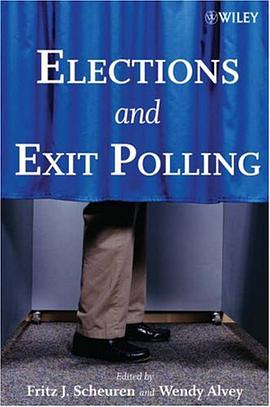
"An understanding of the relationship between the product and the process in election polling is often lost. This edited volume unites ideas and researchers, with quality playing the central role."-J. Michael Brick, PhD, Director of the Survey Methods Unit, Westat, Inc. Elections and Exit Polling is a truly unique examination of the specialized surveys that are currently used to track and collect data on elections and voter preferences. Employing modern research from the past decade and a series of interviews with famed American pollster Warren Mitofsky (1934-2006), this volume provides a relevant and groundbreaking look at the key statistical techniques and survey methods for measuring voter preferences worldwide. Drawing on the most current studies on pre-election and exit polling, this book outlines improvements that have developed in recent years and the results of their implementation. Coverage begins with an introduction to exit polling and a basic overview of its history, structure, limitations, and applications. Subsequent chapters focus on the use of exit polling in the United States election cycles from 2000–2006 and the problems that were encountered by both pollsters and the everyday voter, such as how to validate official vote count, confidentiality, new voting methods, and continuing data quality concerns. The text goes on to explore the presence of these issues in international politics, with examples and case studies of elections from Europe, Asia, and the Middle East. Finally, looking to the upcoming 2008 U.S. presidential election, the discussion concludes with predictions and recommendations on how to gather more accurate and timely polling data. Research papers from over fifty eminent practitioners in the fields of political science and survey methods are presented alongside excerpts from the editors' own interviews with Mitofsky. The editors also incorporate their own reflections throughout and conclude each chapter with a Summary Observations section that highlights notable concepts and trends. The appendix features sample questionnaires from actual exit polling scenarios and an extensive bibliography directs the reader to additional references for further study. Combining wisdom from one of the most notable names in the field along with findings from modern research and insightful recommendations for future practices, Elections and Exit Polling is an excellent supplement for political science and survey research courses at the upper-undergraduate and graduate levels. It is also a one-of-a-kind reference for pollsters, survey researchers, statisticians, and anyone with a general interest in the methods behind global elections and exit polling.
作者简介
目录信息
读后感
评分
评分
评分
评分
用户评价
我得说,这本书的结构设计简直是教科书级别的典范,它提供了一个极具启发性的框架来理解社会变迁中的关键节点。作者并没有局限于传统的政治学范畴,而是巧妙地引入了社会学、传播学甚至人类学的视角,构建了一个多维度的分析模型。其中关于信息茧房形成机制的章节,简直是点睛之笔,它详细阐述了技术进步如何意外地强化了既有的偏见,而不是如初衷般促进多元观点的交流。我读到某些地方时,那种“原来如此”的顿悟感强烈到需要停下来,反复咀嚼那些精妙的论证。这本书的价值不在于告诉你“谁赢了”,而在于深度解释了“为什么是这样”,它揭示了隐藏在投票箱背后的复杂社会张力与文化断层。而且,作者在处理敏感议题时的那种超然和客观,让人不得不佩服其学术操守,没有被任何一端的激情所裹挟,始终保持着冷静的观察者姿态,这在当下的环境中尤为珍贵。
评分这本书的深度和广度简直令人叹为观止,它不仅仅是对某个时间段政治事件的梳理,更像是一部关于人类决策偏差与群体认同构建的百科全书。作者在论证过程中展现出的那种对细节的执着,以及对复杂因果链条的耐心梳理,令人印象深刻。我特别赞赏其中关于信息传播效率与群体极化速度之间关系的探讨,这个部分论证得既有说服力又具有极强的现实指导意义。阅读体验是沉浸式的,仿佛被作者拉入了一个宏大的实验室,观察着社会变量的相互作用。那些构建出来的模型和框架,为理解未来可能发生的社会动荡提供了坚实的理论基石。这本书的伟大之处在于,它不提供简单的答案,而是提供了更精准的问题,将读者从简单的二元对立中解放出来,去直面现实政治的灰度和复杂性。它是一部能真正改变你思考方式的著作,绝非浪得虚名。
评分坦白讲,我最初对这类题材抱着一丝怀疑,总觉得会充斥着枯燥的数据和冷冰冰的公式,但这部作品彻底打破了我的成见。作者的文笔极其优雅,行文如行云流水,即使是讨论那些理论上相当复杂的概念,也能用最直观、最富有人情味的方式阐释出来。它成功地将冰冷的统计学工具,转化为解读人心的手术刀。书中对特定历史时期民意波动的分析尤其精妙,它展示了社会情绪的传染性和不可预测性,以及精英阶层如何错误地解读了这些“非理性”的集体情绪。我发现,这本书不仅提供了知识,更提供了一种看待世界的新“滤镜”。它引导读者去关注那些微妙的信号、那些未被主流叙事捕捉到的“噪音”,并认识到正是这些噪音,往往预示着下一次重大的社会震荡。这是一种需要反复品味的著作,每一次重读,似乎都能挖掘出新的层次和关联。
评分这部作品散发着一种令人信服的权威感,它不仅仅是对某一特定历史事件的陈述,更像是一场对人类行为驱动力的深度剖析。作者似乎拥有一种罕见的洞察力,能够穿透日常政治表象的迷雾,直抵选民心理的内核。我尤其欣赏它对“群体心态”如何在选举周期中被塑造和利用的细腻描摹。书中的案例分析极其扎实,绝非泛泛而谈,而是引用了大量一手资料和跨学科研究,比如行为经济学中关于损失厌恶的理论如何巧妙地融入竞选策略的构建。阅读过程中,我常常感到自己正在参与一场高级别的智力对话,作者不断抛出引人深思的论点,迫使读者重新审视自己对“民主过程”的固有认知。它不是一本让你轻松阅读的书,它要求你投入心神,去解构那些看似自然实则复杂构建起来的社会现象。语言风格上,它兼具学术的严谨性与叙事的流畅性,既有扎实的理论框架支撑,又不失引人入胜的故事性,读起来酣畅淋漓,让人意犹未尽。
评分这本书带给我的阅读体验是震撼的,它完全颠覆了我过去对某些选举现象的肤浅理解。它的叙述语言充满了画面感,仿佛作者就是一名身处历史洪流中的见证者,用充满洞察力的笔触记录下每一个关键的转折点。我特别喜欢其中对“未发声群体”的描绘,那些在统计数据中常常被忽略,但在实际社会肌理中却拥有巨大潜力的力量,是如何被精准捕获或错失的。作者展示的那些微观个案,那些普通人的决策轨迹,远比宏大的理论叙事更具感染力,它们使得抽象的政治学概念变得鲜活而可触摸。读完后,我感觉自己对周遭世界的敏感度都提高了,看新闻时,不再满足于表面的标题,而是会下意识地去探究其背后的深层社会结构和动机。这本书的深度和广度,使其超越了一般的研究报告,更像是一部关于现代社会权力运作的史诗级解读。
评分 评分 评分 评分 评分相关图书


















本站所有内容均为互联网搜索引擎提供的公开搜索信息,本站不存储任何数据与内容,任何内容与数据均与本站无关,如有需要请联系相关搜索引擎包括但不限于百度,google,bing,sogou 等
© 2026 book.quotespace.org All Rights Reserved. 小美书屋 版权所有