

具体描述
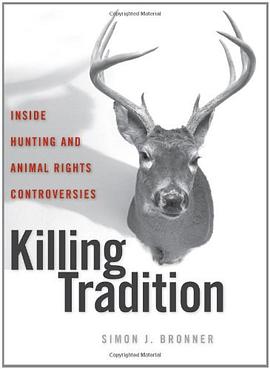
Across the country and around the world, people avidly engage in the cultural practice of hunting. Children are taken on rite-of-passage hunting trips, where relationships are cemented and legacies are passed on from one generation to another. Meals are prepared from hunted game, often consisting of regionally specific dishes that reflect a community's heritage and character. Deer antlers and bear skins are hung on living room walls, decorations and relics of a hunter's most impressive kills. Only 5 percent of Americans are hunters, but that group has a substantial presence in the cultural consciousness. Hunting has spurred controversy in recent years, inciting protest from animal rights activists and lobbying from anti-cruelty demonstrators who denounce the custom. But hunters have responded to such criticisms and the resulting legislative censures with a significant argument in their defense -- the claim that their practices are inextricably connected to a cultural tradition. Further, they counter that they, as representatives of the rural lifestyle, pioneer heritage, and traditional American values, are the ones being victimized. Simon J. Bronner investigates this debate in Killing Tradition: Inside Hunting and Animal Rights Controversies. Through extensive research and fieldwork, Bronner takes on the many questions raised by this problematic subject: Does hunting promote violence toward humans as well as animals? Is it an outdated activity, unnecessary in modern times? Is the heritage of hunting worth preserving? Killing Tradition looks at three case studies that are at the heart of today's hunting debate. Bronner first examines the allegedly barbaric rituals that take place at deer camps every late November in rural America. He then analyzes the annual Labor Day pigeon shoot of Hegins, Pennsylvania, which brings animal rights protests to a fever pitch. Noting that these aren't simply American concerns (and that the animal rights movement in America is linked to British animal welfare protests), Bronner examines the rancor surrounding the passage of Great Britain's Hunting Act of 2004 -- the most comprehensive and divisive anti-hunting legislation ever enacted. The practice of hunting is sure to remain controversial, as it continues to be touted and defended by its supporters and condemned and opposed by its detractors. With Killing Tradition, Bronner reflects on the social, psychological, and anthropological issues of the debate, reevaluating notions of violence, cruelty, abuse, and tradition as they have been constructed and contested in the twenty-first century.
作者简介
Simon J. Bronner, distinguished university professor of American Studies and folklore at Pennsylvania State University, Harrisburg, is the author and editor of more than twenty-five books.
目录信息
读后感
评分
评分
评分
评分
用户评价
我很少读完一本书后,会立刻产生一种想要与人讨论的强烈冲动,但这本书做到了。它探讨的主题——关于身份的构建与瓦解,关于自由的代价,以及如何定义“家”——都是如此具有普适性,却又被处理得如此独特和尖锐。我特别欣赏作者在处理冲突时的克制。高潮部分的张力并非来自于外部的暴力宣泄,而是源于一种深层次的理解和最终的、痛苦的和解。这种“内战”式的结局,比任何外部的爆炸都更具毁灭性和救赎性。它没有给出一个廉价的、大团圆式的收尾,而是留下了一个开放的、充满反思空间的空间。这本书更像是一面镜子,它映照出的不仅是书中人物的困境,也是我们这个时代中,许多人所面临的文化断裂和自我认同危机。我向所有喜欢深度心理刻画和复杂社会背景描写的读者强烈推荐,它绝对值得你投入时间去细细品味和反复咀嚼。
评分我通常对那些探讨社会结构和个人反抗主题的小说持保留态度,因为它们很容易陷入说教和概念的泥潭,让人物扁平化。然而,这本书的成功之处在于,它将宏大的社会议题巧妙地融入到极其个人化的情感体验中。我被书中几位配角的塑造深深吸引住了。尤其是那个沉默寡言的老者,他的一举一动都充满了象征意义,他的智慧是沉重的,是建立在无数次妥协和牺牲之上的。他的视角为整个故事提供了一个极具纵深的背景,让我们看到“传统”并非一个抽象的概念,而是由一代又一代人具体的生活选择和痛苦累积而成的。书中关于“继承”的探讨尤其深刻——究竟是继承了财富、地位,还是继承了那些看不见的、沉重的历史包袱?作者没有给出简单的答案,而是将这个问题抛给了读者。我读完一些章节后,常常会暂停下来,在房间里踱步思考,试图梳理出作者铺设的那些精巧的象征和隐喻。这种阅读体验是罕见的,它要求读者投入百分之百的智力参与,而不仅仅是情感的宣泄。
评分说实话,这本书的语言风格简直是一场文字的冒险。它不是那种流畅到让你几乎意识不到文字存在的“隐形”文字,而是充满了力量感和棱角的句式。有些段落,我需要反复阅读才能真正领会其含义,因为作者似乎故意打破了常规的语法结构,用一种近乎诗歌的、破碎的方式来表达主人公内心的混乱。我尤其喜欢作者对环境的白描手法。比如描述某个重要场景时,天空的颜色、空气中的湿度、甚至光线穿过百叶窗投下的条纹,都被描绘得极其具体,仿佛你真的站在那里,感受着那份沉重和压抑。这种细节的堆砌,非但没有造成冗余,反而极大地增强了故事的真实感和宿命感。它让我联想到一些早期的现代主义文学,那种对内心世界的深度挖掘,对感官体验的极致捕捉,使得这本书的文学价值不言而喻。读完后,我感觉自己的“词汇库”似乎被拓展了,因为它迫使我以一种全新的方式去审视和命名我自己的经验。
评分这本书的封面设计极具冲击力,那种深沉的黑与一抹诡异的血红交织在一起,立刻抓住眼球。我本以为这会是一部直白的、关于冲突和暴力的作品,但翻开第一页才发现,作者的笔触远比我想象的要细腻和复杂得多。故事围绕着一个看似平静的社区展开,但那种表面下的暗流涌动,那种被传统和期望层层包裹的窒息感,让我感到了深深的共鸣。主角的挣扎并非外部的敌人,而是源于内心深处对自我身份的认同危机。读到中间部分时,我几乎要放下书,因为那种压抑感太真实了,仿佛我就是那个被无形枷锁困住的人。作者非常擅长营造氛围,那些关于老旧习俗和世代相传的“规矩”的描写,与其说是描述,不如说是用文字雕刻出了一座座冰冷的雕像,让人不寒而栗。尤其是关于家庭聚会的场景,那种看似温馨实则暗藏刀锋的对话,读起来让人手心冒汗,生怕下一秒就会有爆炸性的冲突发生。这本书的节奏掌控得非常出色,它不会让你感到拖沓,但也不会让你喘不过气来,总是在最恰当的时候给予你一丝希望,然后又迅速将你拉回现实的泥潭。
评分这本书的叙事结构非常大胆,采用了多重闪回和非线性叙事,一开始读起来确实有些挑战性,需要读者集中全部注意力来拼凑时间线索。但一旦你适应了这种跳跃的节奏,你会发现这正是作者想要营造的“记忆碎片化”的效果。人生中那些塑造我们的关键时刻,往往不是按照时间顺序排列的,而是以一种突如其来的、强烈的情感冲击瞬间定格。作者通过这种手法,完美地模拟了一个个体在面对巨大变革或选择时,记忆和意识混乱交织的状态。最精彩的部分,是作者如何巧妙地将过去看似无关紧要的小细节,在故事的后半段突然串联起来,揭示出命运的残酷必然性。那种“原来如此”的顿悟感,混合着对人物命运的悲悯,让人读后久久不能平静。我甚至想起了自己年轻时做出的那些“不可逆转”的决定,这本书仿佛提供了一个放大镜,让我们审视自己人生中的那些关键岔路口。
评分 评分 评分 评分 评分相关图书









本站所有内容均为互联网搜索引擎提供的公开搜索信息,本站不存储任何数据与内容,任何内容与数据均与本站无关,如有需要请联系相关搜索引擎包括但不限于百度,google,bing,sogou 等
© 2026 book.quotespace.org All Rights Reserved. 小美书屋 版权所有