
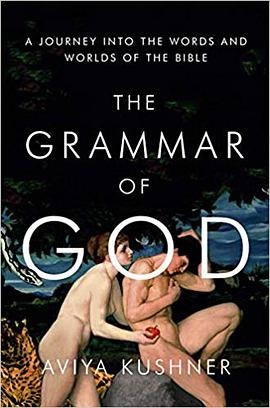

具体描述
"The highest praise for a book, perhaps, is tucking it into a slot on your bookshelf where you’ll always be able to effortlessly slide it out, lay it across your lap and soak it up for a minute or a long afternoon’s absorption. The Grammar of God: A Journey into the Words and Worlds of the Bible, Aviya Kushner’s poetic and powerful plumbing of both the Hebrew and English translations of the Bible, now rests in just such an easy-to-grab spot in my library. In a word, it’s brilliant. And beautiful.”—Barbara Mahany, Chicago Tribune
“Aviya Kushner has written a passionate, illuminating essay about meaning itself. The Grammar of God is also a unique personal narrative, a family story with the Bible and its languages as central characters.”—Robert Pinsky
“Kushner is principally interested in the meanings and translations of key Biblical passages, and she pursues this interest with a fierce passion. . . . A paean, in a way, to the rigors and frustrations—and ultimate joys—of trying to comprehend the unfathomable.”—Kirkus Reviews
“A remarkable and passionately original book of meditation, exegesis, and memoir. In Kushner’s redemptive vision, the Bible in its many translations is a Noah’s ark, and her book, too, does a work of saving. When I put it down, I wept.”—Rosanna Warren, author of Stained Glass
“What a glorious book! From Sarah’s laughter to the idea of Jewish law being a dialogue and not a rigid set of rules, this is a book not only to learn from but to savor.”—Peter Orner, author of Love and Shame and Love
“In this splendid book, each page is a wonder.”—Willis Barnstone, author of The Restored New Testament
作者简介
Aviya Kushner grew up in a Hebrew-speaking family, reading the Bible in the original Hebrew and debating its meaning over the dinner table. She knew much of it by heart—and was therefore surprised when, while getting her MFA at the University of Iowa, she took the novelist Marilynne Robinson’s class on the Old Testament and discovered she barely recognized the text she thought she knew so well. From differences in the Ten Commandments to a less ambiguous reading of the creation story to a new emphasis on the topic of slavery, the English translation often felt like another book entirely from the one she had grown up with.
Kushner began discussing the experience with Robinson, who became a mentor, and her interest in the differences between the ancient language and the modern one gradually became an obsession. She began what became a ten-year project of reading different versions of the Hebrew Bible in English and traveling the world in the footsteps of the great biblical translators, trying to understand what compelled them to take on a lifetime project that was often considered heretical and in some cases resulted in their deaths.
In this eye-opening chronicle, Kushner tells the story of her vibrant relationship to the Bible, and along the way illustrates how the differences in translation affect our understanding of our culture’s most important written work. A fascinating look at language and the beliefs we hold most dear, The Grammar of God is also a moving tale about leaving home and returning to it, both literally and through reading.
目录信息
读后感
评分
评分
评分
评分
用户评价
这本著作的标题《上帝的语法》本身就带着一种引人入胜的张力,仿佛在暗示着一种超越人类理解的、支配宇宙运行的底层逻辑。我最初拿起它,是带着一种对形而上学和语言哲学交叉领域的强烈好奇心。这本书的行文风格非常古典且严谨,译者(如果存在的话)的功力深厚,保留了原文那种一丝不苟的学术气息。它没有急于给出任何宏大的结论,而是沉浸在对“存在”本身的结构性剖析之中。作者似乎在构建一个庞大的、由概念构成的建筑群,其中每一个概念——无论是“意义”、“必然性”还是“无限”——都被放置在一个极其精确的坐标系内。阅读过程中,我时常需要停下来,不是因为内容晦涩难懂,而是因为某些句子蕴含的密度太大,需要时间消化。它更像是一场智力上的漫步,你走在一条由严密论证铺成的道路上,每一步都必须审慎评估。我特别欣赏作者在探讨“无名之物”时所展现出的那种近乎虔诚的探究精神,这使得整本书在冰冷的逻辑推演之外,有了一种深沉的人文关怀。它迫使读者重新审视自己对“真理”的既有认知框架,像一个细心的考古学家,试图从语言的沉积岩中挖掘出宇宙最初的编码。
评分这本书的叙述节奏非常独特,它不像传统的论辩性著作那样步步紧逼,反而更像是一位导师在引导你进行一次缓慢而深远的冥想。作者在构建他的“语法体系”时,采取了一种非常克制的手法,他避免使用任何华丽的辞藻来粉饰其论点,而是完全依赖于概念的内在力量来支撑起整个思想的重量。有那么几处,我甚至感觉自己不是在阅读一本哲学书籍,而是在参与一个精心设计的逻辑谜题的破解过程。特别是涉及到“时间箭头”和“自由意志”的交汇点时,作者的论证路径异常迂回但又极其坚实,每一步都建立在前一步无可辩驳的基础上。这种层层递进的结构,使得最终抵达的那个观点,无论你是否完全赞同,都带着一种不可抗拒的智力上的说服力。对于那些习惯了快节奏信息输入的人来说,这本书可能需要一个适应期,但一旦你适应了它沉稳、内敛的步调,你就会发现这种阅读体验是极其富有回报的,它训练了你的“深度思考肌肉”。
评分我必须承认,初读此书的体验是有些令人气馁的,因为它拒绝提供任何快速的慰藉或简化的答案。这本书更像是写给那些沉迷于结构、热衷于解构的人的一封情书。它仿佛是一位执着的制表匠,不厌其烦地拆解着时间这一概念的每一个齿轮和发条,试图找出“流逝”本身是如何被“构造”出来的。我感受到了作者在字里行间流淌出的那种对“精确”的近乎偏执的追求。他似乎对任何模糊不清的表达都抱有深深的警惕,并用一系列精巧的定义和区分来剔除所有“多余的噪音”。这使得阅读过程变成了一种高度专注的活动,稍有走神,可能就会错过一个关键的逻辑跳跃点。尤其是在讨论“关系性实在”的那几章,作者展示了惊人的洞察力,他将原本看似毫不相关的哲学流派和数学模型巧妙地编织在一起,形成了一个既统一又充满张力的叙事网络。这本书需要耐心,需要的是一个愿意投入时间和心力去理解其内在韵律的读者,它不适合在通勤途中快速翻阅,它更适合在安静的午后,伴着一杯浓茶,进行一次严肃的智力对话。
评分最让我印象深刻的是,尽管标题宏大,指向神圣的领域,但整本书却展现出一种极度“世俗化”的分析方法。作者似乎拒绝使用任何诉诸信仰或超自然力量的解释,而是试图用纯粹的逻辑工具来剖析“神圣性”本身是如何在人类的认知结构中被建构出来的。他像一个严苛的语言学家,解剖着“信仰”这个词汇背后的句法和语义结构。书中对“无限集合”的处理尤其精彩,这部分内容让我对数学和神学之间的古老张力有了全新的认识。作者展示了一种罕见的平衡感:既保持了对终极问题的敬畏,又坚持了清醒的理性分析。这使得这本书超越了传统的宗教学或纯粹的逻辑学范畴,成为了一部关于“人类如何试图理解自身局限性”的深刻研究。它读起来并不轻松,但它带来的智力上的震撼是持久的,它让你意识到,很多被视为天经地义的“常识”,其实是极其脆弱的语言构建物,需要不断的维护和审视。
评分读完这本书,我产生了一种奇异的平静感,这并非源于解决了所有疑问,而是因为作者成功地将“疑问”本身提升到了一个艺术品的地位。这本书没有提供通往天堂的蓝图,但它提供了绘制那张蓝图所需的最高级的工具箱。它的语言组织有一种独特的、回环往复的美感,像是巴赫的赋格曲,主题不断出现、变奏,然后又回到核心,但每一次回归都带着新的维度和深度。我尤其喜欢作者处理“悖论”的方式,他没有试图“消灭”悖论,而是将其视为理解深层结构不可或缺的一部分,是某种高级逻辑的必然副产品。这与许多试图用简单逻辑填补认知空白的通俗读物形成了鲜明的对比。这本书要求读者接受不完美和不完备性,并在此基础上建立更坚固的认知高塔。它关于“命名与被命名”的那部分探讨,对我个人的写作习惯产生了革命性的影响,让我开始审视自己如何用有限的词汇去捕捉无限的体验。这是一本需要被反复研读的经典,每次重读,都能挖掘出新的层次,就像剥洋葱一样,每一层都带着更浓郁的哲学气息。
评分 评分 评分 评分 评分相关图书










本站所有内容均为互联网搜索引擎提供的公开搜索信息,本站不存储任何数据与内容,任何内容与数据均与本站无关,如有需要请联系相关搜索引擎包括但不限于百度,google,bing,sogou 等
© 2026 book.quotespace.org All Rights Reserved. 小美书屋 版权所有