具体描述
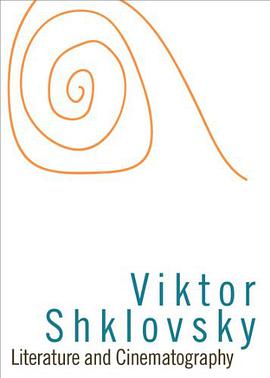
In this short, brilliant book, Viktor Shklovsky enunciates the function of the arts: what they are and, just as importantly, what they are not. In the course of defining what art is, by implication he also quietly lays to waste the theories and people who view art as a means of representing "the real world" and a method of communication. His views of the other arts then lead him into his speculations about the art of cinema photography, new at the time that Shklovsky composed his polemic in 1923.
Literature and Cinematography: A Comparative Exploration This volume delves into the intricate and evolving relationship between literature and cinematography, two powerful narrative art forms that have shaped human understanding and imagination across centuries. Rather than focusing on specific literary works or film productions, this book offers a broad, analytical framework for understanding how these disciplines intersect, influence, and transform one another. It is a journey through the shared DNA of storytelling, examining how the written word finds new life on screen, and how cinematic techniques, in turn, inform and inspire literary expression. The initial chapters lay the groundwork by exploring the fundamental principles of narrative construction as they manifest in both literature and cinema. We will investigate the common building blocks: plot, character development, theme, and setting. How do novelists craft compelling characters through internal monologue and descriptive prose, and how do filmmakers translate these internal landscapes into visual cues, actor performances, and evocative mise-en-scène? We will analyze the different mechanisms of audience engagement: the immersive, imaginative process of reading versus the visceral, sensory experience of watching. This exploration is not about ranking one medium above the other, but rather about appreciating the unique strengths and challenges each presents in the art of storytelling. A significant portion of the book is dedicated to the crucial concept of adaptation. This is not merely a discussion of translating a novel into a screenplay, but a deep dive into the creative alchemy involved. We will dissect the process of identifying and preserving the core essence of a literary work while making necessary concessions to the visual and temporal constraints of film. What elements are essential to retain, and which can be reimagined or sacrificed? How do filmmakers grapple with the author’s voice, symbolism, and thematic nuance? Conversely, we will also consider how literary adaptations can sometimes offer new perspectives or interpretations that enrich, rather than dilute, the original source material. This involves a careful consideration of directorial vision, casting choices, and the strategic use of cinematic language to evoke the spirit of the written word. Beyond direct adaptation, the book examines the more subtle, yet pervasive, influences cinema has exerted on literature. We will explore how the visual immediacy and pacing characteristic of film have found echoes in contemporary writing. This includes the prevalence of shorter sentences, more fragmented narratives, and a heightened emphasis on sensory detail in prose that mimics the frame-by-frame experience of cinema. The concept of visual literacy, sharpened by decades of film consumption, is also discussed as a factor that has subtly reshaped how readers engage with literary descriptions and imagery. Conversely, the book investigates how literary traditions continue to inform and enrich cinematic practice. We will look at how literary theory, particularly in areas like semiotics, structuralism, and post-structuralism, has provided valuable analytical tools for understanding cinematic meaning and construction. Furthermore, the enduring power of literary archetypes, narrative structures, and thematic concerns drawn from centuries of written tradition continues to be a wellspring of inspiration for filmmakers. The ability of literature to explore complex psychological states and abstract concepts remains a potent force, often challenging filmmakers to find equivalent visual and auditory languages to express these depths. The thematic chapters will explore recurring concerns that bridge both disciplines. We will consider how both literature and cinema have served as powerful vehicles for social commentary, historical reflection, and philosophical inquiry. How do narratives, regardless of their medium, grapple with issues of identity, belonging, justice, and the human condition? The book will also touch upon the evolution of genre conventions within both literature and film, and how these genres often overlap and inform one another. This exploration is grounded in the understanding that both literature and cinematography are not static entities but dynamic forms constantly responding to cultural shifts, technological advancements, and the evolving sensibilities of their audiences. This volume aims to provide readers with a sophisticated toolkit for analyzing and appreciating the profound and multifaceted dialogue between these two essential art forms, fostering a deeper understanding of how stories are told, experienced, and ultimately, how they shape our perception of the world. It is an invitation to a richer, more nuanced engagement with the narratives that define us, whether encountered on the page or on the screen.