

具体描述
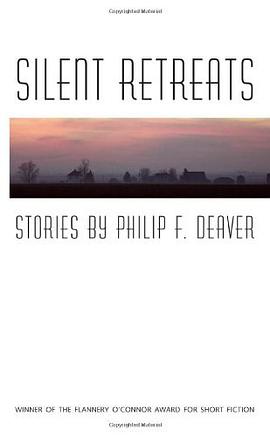
Caught in the muddle of modern life, eyes gazing at the middle distance, the characters in "Silent Retreats" search, down roads paved by custom and dotted by the absurd, for escape, refuge, or, at least, merciful diversion.Many of the men in Philip Deaver's stories, having drifted out of their native Illinois to the far corners, find comfort from empty jobs and blank relationships in healing, often hilarious, seductions. In "Why I Shacked Up With Martha" a distracted DC executive pierces the gray blur of his glass box on Dupont Circle with illicit, painfully superficial notes passed to his beautiful, liberated coworker. In "Marguerite Howe," a businessman from Texas at a cocktail party in New Haven accosts his hostess, blindly convinced that she is the woman of his college day-dreams at the University of Virginia. And, in Nebraska, a defeated legal aid attorney escapes the cold wind of failure and a near suicidal woman in the deep warmth of "Fiona's Rooms."Other characters, still within the radius of central Illinois, tread through the familiar scenery of the past, measuring with landmarks of memory the distance, and yet the circularity, time has wrought in their lives. In the title story, Martin Wolf--overcome with tears during the morning commute and craving connection and the cleansing rituals of his Catholic youth--learns from the words of a parish priest, crackling through the lines of a pay phone as cars screech by on Roosevelt Road, that silence has become self-indulgent. And in "Infield," Carl Landen savors the well-ordered tableau of the Pony League diamond where he played shortstop and where his son now plays that position. Recalling the ache in the shoulder after an overhand throw, seeing in his mind the figure of his father intruding at the edge of the field, he relaxes the pain of generations, the soreness that comes from knowing a town too well.A well-known theme of Philip Deaver's stories is "what happened to men after what happened to women." The stories in "Silent Retreats" trace the tentative journeys of men as they redefine who they are in a changed world while still coping with memory and desire in the old ways. Above all, these stories chronicle a search for absolution--for the elusive freedom lurking among the very syllables of the word.
作者简介
目录信息
读后感
评分
评分
评分
评分
用户评价
坦白讲,这本书的社会观察角度极为锐利,它毫不留情地剖开了当下社会中一些被普遍忽视的结构性矛盾。作者的笔触冷静得近乎冷酷,但这种冷静恰恰是力量的来源,因为它避免了廉价的情绪宣泄,而是通过精准的细节描绘,构建了一个让人无法辩驳的现实图景。我特别佩服作者在处理群像戏时的功力,即便是配角,也拥有饱满的生命力和复杂的人性,他们不是推动主角前进的工具,而是活生生的、有着自己挣扎的个体。通过他们的命运交织,我看到了时代洪流下个体的无力和挣扎,那种无力感是如此真实,以至于在阅读过程中,我时常需要停下来,审视一下自己所处的位置和正在面对的选择。这本书无疑具有很强的现实批判意义,但它也给予了我们反思的深度。
评分从纯粹的娱乐性角度来看,这本书的悬念设置和情节推进速度达到了一个令人惊叹的平衡。它不是那种快餐式的、靠情节反转取悦读者的作品,它的“悬”在于对“未知人性”的缓慢揭示。作者非常擅长设置一个个看似无关紧要的伏笔,它们散落在文本的各个角落,直到临近高潮时才被巧妙地串联起来,那种豁然开朗的震撼是循序渐进累积起来的。我喜欢这种“慢热”但后劲十足的叙事方式,它强迫我必须保持高度的参与感,去留意每一个对话的潜台词和每一个场景的暗示。读完之后,我感觉自己的逻辑思维能力都被锻炼了一番,因为它要求你不仅要看故事本身,还要理解故事背后的构建逻辑。这绝对是一部需要细细品味的佳作,绝不适合心浮气躁时翻阅。
评分这是一次阅读体验,与其说是阅读一本小说,不如说是接受了一次关于“时间”和“记忆”的哲学拷问。作者似乎对线性时间的概念不屑一顾,他不断地在过去、现在与未来之间进行闪回和预示,构建了一个多维度的叙事结构。这种结构带来的晕眩感,恰恰是作者想要传达的——记忆的不可靠性与时间流逝的相对性。我发现自己常常会陷入沉思,思考书中的角色对往事的执念究竟是保护还是束缚。那些关于逝去年代的描绘,充满了怀旧的温暖,但紧接着,作者又会用冰冷的笔触揭示记忆是如何被自我美化和篡改的。这种在温暖与冰冷之间反复拉扯的感觉,让这本书的阅读体验变得层次丰富,充满了探索的乐趣。
评分这本小说的语言风格,我得说,真是独树一帜,充满了实验性的色彩。它打破了我以往阅读小说时对叙事连贯性的既有认知,采用了大量意识流和碎片化的叙事手法,初读时确实需要极大的专注力去适应这种跳跃。但一旦你找到那个节奏点,那种感觉就像是进入了一个高度抽象的艺术画廊,每一句话、每一个意象都在挑战你对既有意义的理解。作者似乎并不满足于讲述一个线性故事,他更热衷于探索语言本身的可能性,那些看似不经意的词语组合,往往会爆发出惊人的象征意义。这种阅读体验是高度个人化的,不同的人读到同一段文字,恐怕会有截然不同的解读和心境。对我来说,这更像是一场智力上的探险,需要我不断地去解构、重组,最终拼凑出属于我自己的故事图景。
评分这本书的叙事节奏简直是为我量身定做的,它就像一个技艺精湛的引航员,带着我穿梭在错综复杂的情感迷雾中。作者对人物心理的刻画入木三分,那种微妙的挣扎、不为人知的渴望,都被细腻地捕捉并呈现出来。我尤其欣赏作者在构建场景时的那种克制与张力,每一个细节似乎都经过了反复的推敲,不是那种浮夸的堆砌,而是恰到好处地烘托出人物内心的波澜。读到一些关键转折点时,我甚至能感觉到自己的心跳都跟着加速了,仿佛自己就是那个身处困境的主角,体验着那种进退两难的煎熬。这本书最厉害的地方在于,它没有急于给出答案,而是将选择权交给了读者,让我们在合上书页后,依然沉浸在对故事走向和人物命运的无尽思索中。那种余韵,久久不散,让人回味无穷,感觉像是完成了一场深刻的自我对话。
评分 评分 评分 评分 评分相关图书


本站所有内容均为互联网搜索引擎提供的公开搜索信息,本站不存储任何数据与内容,任何内容与数据均与本站无关,如有需要请联系相关搜索引擎包括但不限于百度,google,bing,sogou 等
© 2026 book.quotespace.org All Rights Reserved. 小美书屋 版权所有