

具体描述
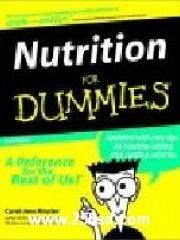
Amazon.com Butter or margarine? Regular or decaf? Wanna supersize those fries? Each of us makes dozens of dietary decisions a day and consumes 1,500 pounds of food a year, but nutrition is one of those topics in which many people--including the majority of physicians--are not well versed. Fortunately, reading Nutrition for Dummies is like watching That's Incredible!: there's no shortage of fascinating tidbits. Read it if you've ever popped a multivitamin and figured it would compensate for not getting your five fruits and veggies. Longtime health journalist Carol Ann Rinzler clearly walks you through the anatomy of the digestive system (including the difference between a duodenal and a peptic ulcer), the roles of the six basic groups of nutrients, the highs and unfortunate lows of metabolism, and the links between diet, aging, and disease. While these topics could be dry and dull, she spices them up with clear charts and illustrations, lively writing, and fascinating facts: "Megadoses of vitamin A {as retinol} may cause symptoms that make you think you have a brain tumor"; "Fluoride levels higher than 6 milligrams a day are considered hazardous"; the mineral copper "prevents your hair from turning gray prematurely"; oysters are correctly reputed to be aphrodisiacs, as they're high in zinc, which helps produce testosterone. Rinzler then covers food processing, how cooking affects nutrition (yes, cooking in an iron pan will add iron to your food), how to read food labels and choose supplements, and how to cope with food allergies and intolerances. She also lists common food-drug interactions (taking aspirin increases your folate and iron requirements). There's plenty in here that will benefit dieters--a food listed as "fat-free!" for example, can still contain up to half a gram of fat. Rinzler also lists her top 10s: Web sites, superstar foods, and easy ways to cut calories. An appendix listing nutritional information for hundreds of common foods is also included. --Erica Jorgensen Book Description Once upon a time, people simply sat down to dinner, eating to fill up an empty stomach or just for the pleasure of it. No longer. Today, the dinner table can be a battleground between health and pleasure. You plan your meals with the precision of a major general moving his troops into the front lines, and for most people, the fight to eat what's good for you rather than what tastes good has become a lifelong struggle. This book is designed to end the war between your need for good nutrition and your equally compelling need for tasty meals. In fact (listen up, here!), what's good for you can also be good to eat – and vice versa. Nutrition For Dummies, 2nd Edition, is for anyone who wants to: Prepare quick, nutritious meals Understand why some diets work and others don't Interpret nutritional labels Distinguish "good" fat from bad Nutrition For Dummies, 2nd Edition, isn't going to overwhelm you with a strict regimen of what to put on the table every day from now until you are 104 years old. Instead, this book means to give you the information you need to make wise food choices – which always means choices that please the palate and soul, as well as the body. This book covers all these topics, and more: Figuring out how many calories you need How your body uses protein, fat, and carbs Whether or not to take vitamin and mineral supplements Maintaining the right amount of water in your body Understanding why you eat when you eat How an allergic reaction occurs Using food as medicine This book will also introduce you to the newest flash in the nutrition sky: phytochemicals, a group of fascinating compounds in plant foods. You may already be familiar with one such substance, carotene, the deep yellow pigment in fruits and vegetables that your body can convert to a form of vitamin A. Nutrition For Dummies, 2nd Edition, can help you become more aware of this and other areas of the latest nutritional research. See all Editorial Reviews
作者简介
目录信息
读后感
评分
评分
评分
评分
用户评价
这本书的视角非常宏大,它不仅仅局限于“吃什么”的层面,更深入探讨了“为什么吃”以及“如何将营养融入生活”。我最喜欢的部分是关于“特殊人群的营养需求”那一章。作为一个有着轻微乳糖不耐受的人,我总是在寻找替代方案,而这本书详细列举了牛奶以外的各种钙质来源,并分析了各自的优缺点,比如豆奶、杏仁奶、豆腐等,甚至提到了吸收率的差异,这比我从网上零散搜索到的信息要权威和全面得多。再者,它对于“运动营养”也有涉猎,虽然不是主题,但对于运动前后的碳水和蛋白质的比例建议,非常精炼和实用,让我调整了我的健身餐计划,效果立竿见影。它并没有过度推崇某一种时髦的饮食法(比如生酮或纯素),而是保持了一种非常中立和科学的态度,教导读者根据自己的身体反应和生活方式来定制方案,这才是真正成熟的营养观。它教会我的不是一套固定的规则,而是一种灵活的思维模式。
评分天哪,这本书简直是我的救星!我一直对营养学充满好奇,但那些专业的书籍动辄复杂的化学公式和晦涩的术语,让我望而却步。我真的需要一本能用大白话解释一切的书,而这本《Nutrition for Dummies》完全做到了!它不是那种敷衍了事的入门读物,而是真正把营养学的核心概念掰开揉碎了讲清楚。比如,它对宏量营养素(碳水化合物、蛋白质、脂肪)的解释,不是简单地告诉你“它们很重要”,而是深入剖析了每一种在人体内扮演的具体角色,甚至还配有一些非常直观的图示,让我一下子就明白了为什么需要均衡膳食。更让我惊喜的是,它对“好脂肪”和“坏脂肪”的区分,清晰到让我立刻就能在超市里做出正确的选择。我以前总觉得营养师说的话很玄乎,现在读完这部分,我感觉自己也掌握了基本的“营养解码”能力。它甚至还提到了膳食纤维的重要性,解释了为什么我们现代饮食中常常缺乏它,以及如何通过日常食物轻松补足。阅读体验极其流畅,没有丝毫的阅读压力,感觉就像是和一位非常耐心的营养师朋友在聊天,而不是在啃一本教科书。对于任何想从零开始了解自己身体所需营养的普通人来说,这本书的深度和易懂性达到了完美的平衡。
评分这本书的叙事风格非常幽默风趣,这一点我非常赞赏。它没有采用那种刻板的、充满命令式的语气,而是充满了鼓励和理解。比如,在谈到如何应对社交场合中的不健康食物诱惑时,它给出的建议非常人性化——不是要求你完全拒绝,而是教你如何“策略性地选择”,比如先吃点蔬菜或者选择小份的甜点。这种“不完美主义”的态度让我感觉非常放松,因为我知道在现实生活中,不可能每餐都做到营养完美。更重要的是,它深入地探讨了“饮食行为心理学”的初级概念,帮助我认识到情绪化进食的根源。通过理解这些内在驱动力,我才真正开始尝试打破一些长期以来的不良饮食习惯,而不仅仅是关注于卡路里的数字游戏。这本书带来的改变是内源性的,它改变了我对食物和自己身体的关系的看法,这比任何短期节食法都有价值得多。它像一把钥匙,打开了我通往更健康生活的大门。
评分说实话,我收到这本书时有点担心内容会过于陈旧,毕竟营养学领域发展得很快。但读下来发现,它成功地平衡了经典科学原理和现代研究成果。它在解释基础代谢率(BMR)和每日总能量消耗(TDEE)时,提供了非常易于操作的计算公式和调整系数,让我对自己每天到底需要多少热量有了清晰的认识,不再是凭感觉吃饭。而且,书中对“水合作用”的强调也让我耳目一新。我以前总觉得喝水只是解渴,但这本书详细说明了水在细胞功能、营养运输和废物排泄中的关键作用,甚至给出了不同活动水平下的饮水建议。这种对细节的关注,让这本书的知识密度非常高。我感觉我不是在读一本“快速入门”的书,而是在系统地学习一门基础科学,只是它的呈现方式被设计得非常友好,使得复杂的生物化学过程也能被普通人理解。它为我未来的健康决策打下了坚实的基础。
评分我必须承认,我购买这本书的初衷其实是想找一本能帮我“作弊”的指南,让我快速了解哪些食物是“超级食物”,哪些是“饮食陷阱”。这本书在这方面做得非常到位,但远不止于此。它构建了一个非常实用的框架,让我能够举一反三,而不是仅仅依赖书本上的食物清单。举个例子,它对维生素和矿物质的讲解,不是简单地罗列A到Z,而是根据它们在身体中的功能进行了分组。比如,讲解“能量代谢”相关的B族维生素时,它把好几种维生素放在一起讨论,让我理解了它们之间的协同作用。这种系统性的归类方式,极大地帮助了我记忆和理解。我特别欣赏它对于“营养标签解读”那一章节的详尽解析。以前我盯着那些密密麻麻的数字只会头晕,但现在,我能迅速定位到“添加糖”、“钠含量”和“每日参考值百分比”的关键信息,这简直是我的日常购物“作弊码”。我不再盲目相信包装上的花哨宣传语,而是学会了用科学的眼光审视食物的真实面目。这本书的实用性,让我觉得这笔投资物超所值,它真正赋予了我自己做决定的能力。
评分 评分 评分 评分 评分相关图书













本站所有内容均为互联网搜索引擎提供的公开搜索信息,本站不存储任何数据与内容,任何内容与数据均与本站无关,如有需要请联系相关搜索引擎包括但不限于百度,google,bing,sogou 等
© 2026 book.quotespace.org All Rights Reserved. 小美书屋 版权所有