
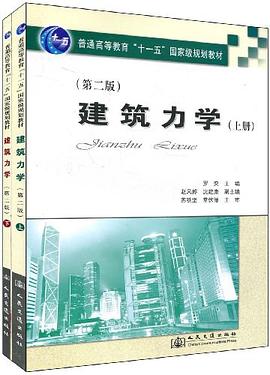

具体描述
《建筑力学(上下)(第2版)》共三篇,分上、下两册。上册共两篇十六章。第一篇静力学,含静力学的基本概念和公理、物体的受力分析和受力图、平面汇交力系、力矩、平面力偶系、平面一般力系、空间力系及重心;第二篇材料力学,含材料力学的基本概念、轴向拉伸与压缩、扭转、平面图形的几何性质、弯曲内力、弯曲应力、应力状态、强度理论、弯曲变形、组合变形的强度计算、压杆稳定等。
下册为第三篇,共六章内容,主要介绍平面体系的几何组成分析、静定结构的内力分析、静定结构的位移计算、力法及其应用,位移法和力矩分配法、影响线等。
《建筑力学(上下)(第2版)》为高职高专土建类专业使用教材,亦可供成人高校及工程技术人员使用。
作者简介
目录信息
读后感
评分
评分
评分
评分
用户评价
这本《建筑力学》给我的感觉,就像是进入了一个全新的世界,一个由数字、公式和物理定律构建起来的严谨而又迷人的世界。我一直以来对建筑都抱有浓厚的兴趣,梦想着能够理解那些宏伟的建筑是如何在重力、风荷载以及地震等复杂作用下屹立不倒的。拿到这本书,我抱着一种既期待又有些忐忑的心情翻开了第一页。坦白说,一开始的时候,那些密密麻麻的公式和理论确实让我感到一丝压力,但随着我耐心地阅读和理解,我渐渐发现,这些抽象的符号背后,蕴含着建筑工程师们将想象力转化为现实的智慧和力量。书中的讲解并非枯燥的理论堆砌,而是穿插了大量生动的案例分析,从古老的罗马斗兽场到现代摩天大楼,每一座建筑都仿佛被赋予了生命,通过书中的知识,我得以窥探它们的内在结构,理解它们承受外力的奥秘。作者的叙述方式非常有条理,层层递进,使得即使是初学者也能逐步掌握复杂的概念。尤其让我印象深刻的是关于材料力学的章节,它解释了不同材料在受力时表现出的不同特性,以及如何选择合适的材料来满足特定的结构需求。这不仅仅是关于计算,更是关于理解材料的本质,以及如何巧妙地利用它们来创造安全、美观且经济的建筑。读这本书的过程,也是一个自我挑战和学习的过程,我发现自己开始主动去思考身边的建筑,去分析它们的设计原理,这让我对建筑的认识有了质的飞跃。这本书不仅仅是一本技术书籍,更像是一本启迪之书,它让我看到了科学与艺术结合的可能性,以及工程技术在塑造我们生活环境中的重要作用。我可以说,这本书已经深深地吸引了我,并激发了我进一步探索建筑力学领域的浓厚兴趣。
评分拿到《建筑力学》这本书,我立刻被它所传达出的严谨与力量所吸引。我一直觉得,现代城市的灵魂,很大程度上是由那些屹立不倒的建筑所塑造的,而支撑这一切的,正是背后那套精密的力学体系。这本书,正是打开这套体系的绝佳钥匙。它并非那种晦涩难懂的理论著作,而是充满了实践导向的讲解,让我在学习理论知识的同时,也能清晰地看到它们在真实世界中的应用。我尤其被书中关于结构可靠性分析的部分所打动。它不仅仅关注结构在理想状态下的表现,更深入地探讨了材料的不均匀性、施工的误差以及环境变化等不确定因素对结构安全的影响。作者通过引入概率统计的方法,向我展示了工程师们如何量化风险,并采取相应的措施来确保建筑物的长期安全。这让我深刻体会到,建筑力学不仅仅是冰冷的计算,更蕴含着对生命的关怀和对社会责任的担当。书中对不同荷载组合的分析也让我受益匪浅,我开始理解,为什么工程师在设计时需要考虑多种不利荷载的叠加效应,以及如何通过科学的计算来确定最安全的设计方案。这本书的知识密度很高,但讲解清晰,图文并茂,让我能够在不知不觉中吸收大量有用的信息。它让我对建筑行业有了全新的认识,也让我更加敬佩那些用智慧和汗水建造起我们美好家园的工程师们。
评分《建筑力学》这本书,对我来说,简直就像是一次建筑物理学与工程艺术的奇妙邂逅。我一直以来都对那些充满想象力的建筑设计感到着迷,但始终好奇在那些大胆的造型背后,隐藏着怎样的科学原理才能支撑起它们的安全与稳定。这本书,恰如其分地解答了我的疑惑。它以一种非常直观的方式,从最基础的材料特性讲起,逐步引申到复杂的结构体系。我特别喜欢书中关于结构失效分析的部分,作者通过大量的案例,详细剖析了各种结构在何种条件下会发生破坏,以及其破坏的机理。这不仅仅是知识的传递,更是一种对工程安全的深刻反思。我记得书中关于疲劳破坏的讲解,让我第一次了解到,即使材料本身很坚固,但如果长期承受周期性荷载,也可能最终发生断裂。这让我开始重新审视那些经受着风吹雨打、日夜承重的建筑结构,它们所要面对的挑战是多么的复杂和多变。作者在讲解过程中,始终强调理论与实践的结合,并通过大量的工程实例来佐证其观点,使得我在理解抽象理论的同时,也能感受到它们在现实世界中的重要价值。这本书的阅读体验非常流畅,语言通俗易懂,但又不失其专业性。它不仅拓宽了我的知识视野,更让我对建筑的理解上升到了一个全新的维度,让我能够欣赏到建筑背后那份严谨的科学精神。
评分《建筑力学》这本书,如同为我开启了一扇通往结构世界的大门。我一直对建筑艺术的精妙赞叹不已,但总觉得缺少了能够理解其内在逻辑的钥匙。这本书恰好填补了我的这一空白。它以一种非常系统的方式,从最基础的力学原理出发,逐步深入到复杂的结构分析。我尤其欣赏书中在讲解概念时所采用的类比手法,将抽象的力学规律与日常生活中我们都能理解的现象联系起来,极大地降低了学习的门槛。例如,在解释材料的弹性变形时,作者用橡皮筋拉伸的例子来阐述,这让我立刻就能抓住核心要点。随后,作者又将这些基础知识应用到各种实际的建筑构件上,如梁、柱、板等,详细分析它们在不同荷载作用下的受力状态。我最喜欢的是关于桁架结构的章节,书中的图解非常清晰地展示了桁架内部杆件的受力情况,以及如何通过节点分析来确定每个杆件的内力。这让我第一次真正理解了那些看似简单的三角形组合,为何能支撑起庞大的屋顶结构。这本书的语言流畅且富有逻辑性,没有过多的专业术语堆砌,而是力求用最简洁明了的方式来传达复杂的知识。它让我不仅学会了如何分析结构,更学会了如何用结构力学的思维去审视周围的世界。这本书的价值在于,它让我从一个旁观者,变成了一个能够理解建筑“语言”的参与者,这对我而言,是一次意义非凡的体验。
评分这本《建筑力学》对于我这样一个对工程学领域稍有涉猎但并非专业背景的读者来说,无疑是一次令人振奋的知识之旅。我一直认为,建筑不仅仅是砖瓦石木的堆砌,更是一门深奥的科学,它关乎着如何对抗无处不在的自然力量,如何在保证安全的前提下实现艺术的表达。在阅读这本书的过程中,我最先被吸引的是它对基础概念的清晰阐释。作者并没有直接抛出复杂的公式,而是从最基本的受力分析入手,循序渐进地引导读者理解什么是应力、什么是应变,以及它们之间微妙的关系。书中的图示和示例非常直观,能够帮助我快速建立起概念性的认识。我特别欣赏的是,作者在讲解理论的同时,并没有忽略工程实践中的实际应用。例如,在讨论梁的弯曲时,书中会穿插一些实际桥梁结构的例子,分析它们是如何通过合理的截面设计来抵抗弯矩的。这种将理论与实践相结合的方式,让原本可能显得抽象的知识变得生动有趣,也让我能够更深刻地理解这些理论的意义和价值。书中关于结构稳定性的一章,更是让我大开眼界,我第一次了解到,即使是看起来非常坚固的柱子,在特定的条件下也可能发生屈曲失稳。作者通过详细的推导和图示,清晰地展示了影响结构稳定性的各种因素,以及工程师们如何通过改变结构形式或增加支撑来提高其稳定性。这本书不仅仅是知识的传授,更是一种思维方式的引导,它教会我如何从科学的角度去分析和解决问题,如何用严谨的逻辑来支撑设计决策。我已经迫不及待地想继续探索书中更深入的内容,去理解更多复杂的结构体系和设计方法。
评分我 must say, 《建筑力学》这本书 truly opened my eyes to the hidden world of structural engineering. As someone who appreciates the beauty and functionality of buildings, I often wondered about the underlying principles that allowed them to withstand gravity, wind, and other forces. This book provided me with that crucial understanding. The author's approach is both systematic and engaging, starting with fundamental concepts like stress and strain and gradually building up to more complex topics. I particularly found the chapters on structural analysis to be incredibly enlightening. The detailed explanations of how forces are distributed within a structure, and how engineers calculate these forces, were eye-opening. The use of diagrams and visual aids was exceptionally helpful in grasping abstract concepts. For instance, when explaining the behavior of beams under bending, the book provided clear illustrations of the bending moment diagrams, making the invisible forces tangible. What impressed me most was the book's ability to bridge the gap between theoretical knowledge and practical application. The inclusion of real-world examples, from iconic bridges to modern skyscrapers, demonstrated how these principles are applied in actual construction projects. This made the learning process more relevant and inspiring. The writing style is clear and concise, making even complex topics accessible to a reader without a strong engineering background. It has fundamentally changed how I perceive the built environment, instilling in me a deeper appreciation for the science and ingenuity behind every structure.
评分"Architectural Mechanics" proved to be an exceptionally insightful read, offering a profound understanding of the forces that shape our built world. My long-standing interest in architecture has always been coupled with a curiosity about the scientific underpinnings that ensure structural integrity. This book brilliantly satisfies that curiosity. The author's approach is both scholarly and accessible, meticulously guiding the reader through the intricacies of structural analysis. I was particularly captivated by the sections discussing the influence of dynamic loads, such as wind and seismic forces, on building performance. The book elucidates how engineers employ sophisticated analytical techniques, often involving advanced mathematical models and computational tools, to predict and mitigate the effects of these forces. The detailed examination of various damping mechanisms and seismic isolation strategies was especially illuminating, providing a glimpse into the advanced technologies employed to enhance structural resilience. The author's commitment to illustrating theoretical principles with practical applications is evident throughout the text. The case studies presented, ranging from historical landmarks to contemporary marvels, effectively demonstrate the real-world implications of architectural mechanics. This book has not only enriched my knowledge base but has also fostered a deeper respect for the scientific discipline that makes our architectural dreams a reality.
评分The sheer depth and clarity of "Architectural Mechanics" made it a truly transformative reading experience for me. As someone who has always been drawn to the aesthetics of architecture, I now possess a much clearer understanding of the scientific rigor that makes these designs possible. The book's structure is exceptionally well-organized, beginning with the fundamental principles of statics and material science, and systematically progressing to more complex structural behaviors. I found the detailed discussion on the behavior of materials under various types of stress, such as tension, compression, and shear, to be particularly enlightening. The author's use of clear diagrams and illustrative examples made it easy to visualize the internal forces acting within structural components. For instance, the explanation of buckling in columns, and the factors influencing it, was presented with a clarity that demystified a potentially complex phenomenon. The book also excels in its treatment of structural design principles, outlining how engineers select appropriate materials and design structural elements to safely resist applied loads. The inclusion of various load combinations and the methods for determining the critical load cases were particularly valuable. The author's ability to convey complex technical information in a comprehensible manner is a testament to their expertise. This book has fundamentally altered my perspective on architecture, transforming me from a passive observer to an informed admirer of the scientific ingenuity involved.
评分我必须承认,《建筑力学》这本书所带来的震撼,远远超出了我的预期。作为一名对城市景观有着强烈感知力的人,我常常会仰望那些拔地而起的摩天大楼,思考它们是如何在挑战重力的极限,并在狂风呼啸中保持稳固的。这本书,就像一把钥匙,为我打开了理解这一切的门。它并非仅仅是一本教科书,更是一部关于建筑背后智慧的史诗。我尤其被书中关于动力学分析的部分所吸引,它深入浅出地解释了地震、风振等动态荷载对建筑物的影响,以及如何通过减隔震技术来保护建筑和居住者的安全。作者对于这些复杂概念的讲解,非常细致且富有条理性,配以大量的图表和模拟数据,使得我即使没有深厚的工程背景,也能对其有清晰的认识。我记得在阅读关于节点连接的部分时,书中详细介绍了不同类型的连接方式,以及它们在受力时的表现差异。这让我明白,建筑的每一个细节都至关重要,小小的连接件,却承担着传递巨大力的责任。我开始更加留意身边建筑的细节,去想象它们内部的支撑结构,去思考每一个螺栓、每一个焊缝可能承受的应力。这本书也让我认识到,建筑力学不仅仅是关于计算,更是关于一种对安全的敬畏和对生命的负责。作者的文字充满了对建筑事业的热情,也让我感受到了工程师们肩负的沉甸甸的责任。这本书的深度和广度,都让我觉得它是一份宝贵的知识财富,它不仅满足了我对建筑的好奇心,更激发了我对工程技术更深层次的探索欲望。
评分This copy of "Architectural Mechanics" provided a comprehensive and in-depth exploration of the principles governing the behavior of structures. As someone fascinated by how buildings are designed to endure various loads and environmental conditions, I found this book to be an invaluable resource. The author's methodical progression through the subject matter, beginning with foundational concepts such as equilibrium and material properties, and then advancing to more intricate analyses of structural behavior, was particularly effective. I was especially struck by the detailed explanations of different structural systems, such as trusses, frames, and arches, and how their unique configurations contribute to their load-carrying capacity. The inclusion of mathematical derivations and accompanying graphical representations allowed for a clear visualization of these concepts. For example, the explanation of determinate versus indeterminate structures, and the methods used to analyze them, was presented with remarkable clarity. Furthermore, the book seamlessly integrates theoretical knowledge with practical engineering considerations, highlighting the importance of factors such as constructability, cost-effectiveness, and aesthetic integration. The author's evident passion for the subject is conveyed through the engaging prose and the thoughtful selection of examples. This book has not only equipped me with a greater understanding of architectural mechanics but has also deepened my appreciation for the rigorous science that underpins the creation of our built environment.
评分 评分 评分 评分 评分相关图书













本站所有内容均为互联网搜索引擎提供的公开搜索信息,本站不存储任何数据与内容,任何内容与数据均与本站无关,如有需要请联系相关搜索引擎包括但不限于百度,google,bing,sogou 等
© 2026 book.quotespace.org All Rights Reserved. 小美书屋 版权所有